
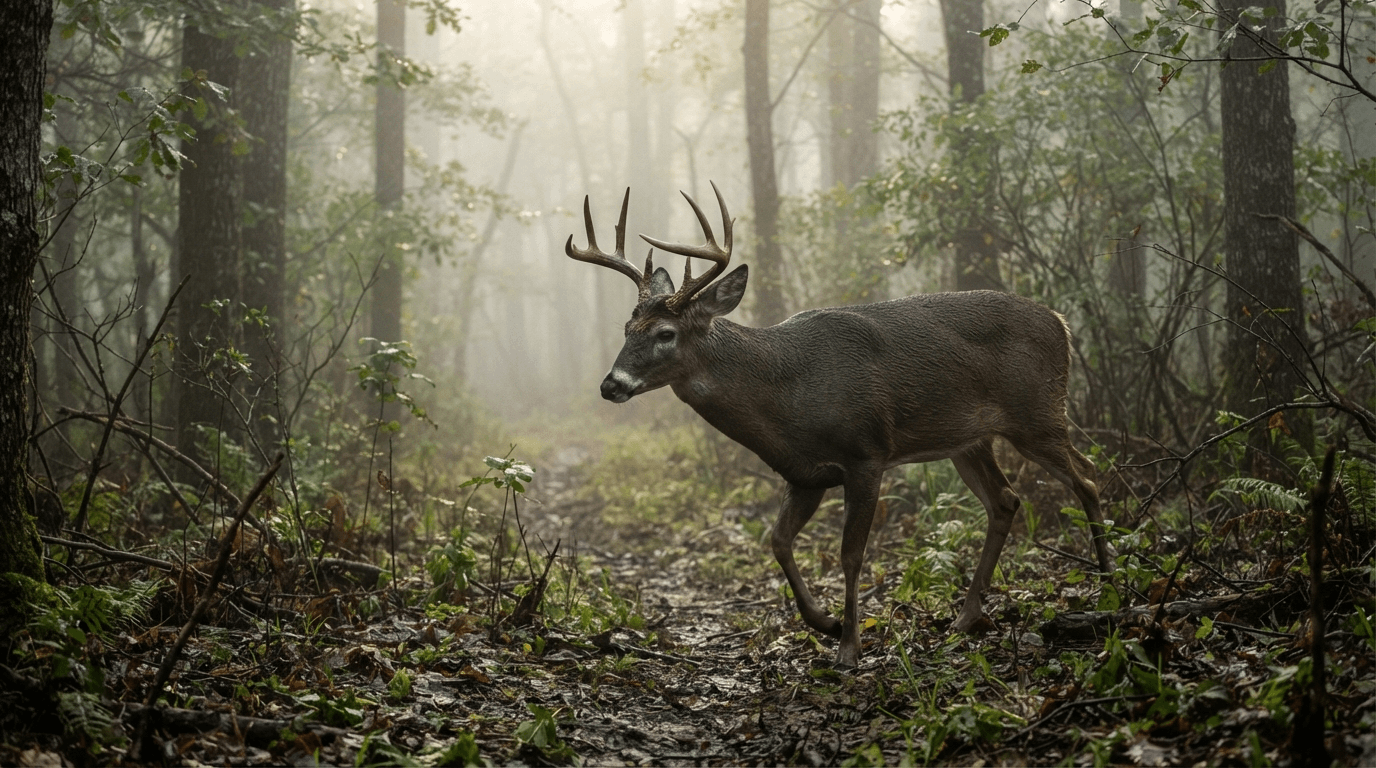
Deer hunting has evolved dramatically over the past decade, and one tool has become indispensable for modern hunters: the trail camera. Whether you're scouting mature bucks, monitoring feeding areas, or tracking seasonal movement, a high-quality deer hunting camera provides valuable insights without disturbing wildlife.
But with so many options available—including cellular trail cameras, WiFi trail cameras, solar trail cameras, and traditional game cameras—choosing the best model can feel overwhelming.
This guide explains everything you need to know before buying a trail camera for deer hunting in 2026, including essential features, common mistakes, and why modern technologies like 4G connectivity, AI motion detection, and solar power are transforming wildlife monitoring.
Why Every Deer Hunter Needs a Trail Camera
A trail camera is much more than a gadget—it's a powerful scouting tool that helps hunters understand animal behavior over time. Instead of relying on guesswork, you can gather consistent data on deer activity while minimizing human scent and disturbance.
Trail cameras are commonly used to:
- Monitor deer trails and bedding areas
- Identify mature bucks before hunting season
- Track feeding patterns and travel routes
- Observe wildlife without disturbing the habitat
- Improve stand placement based on real movement data
By reviewing photos and videos over several weeks, hunters can make more informed decisions and increase their chances of success.
What Makes the Best Trail Camera?
When comparing hunting cameras, focus on features that directly affect image quality, reliability, and ease of use.
1. High Image Resolution
Higher resolution helps capture clearer details such as antler size, facial features, and coat condition. Look for cameras capable of producing sharp daytime and nighttime images.
2. Fast Trigger Speed
A trigger speed under 0.3 seconds helps ensure fast-moving deer are captured before they leave the frame.
3. Long Detection Range
An effective detection range allows the camera to monitor wider trails and open fields, increasing the chance of capturing wildlife.
4. Wide Detection Angle
A wider detection angle means the camera can detect movement earlier, providing more complete footage of passing animals.
5. Reliable Night Vision
Nighttime is when deer are often most active. High-quality infrared night vision delivers clear images after sunset while minimizing disturbance to wildlife.
Cellular vs WiFi Trail Cameras
One of the biggest decisions is choosing between a cellular trail camera and a WiFi trail camera.
Cellular Trail Cameras
Pros:
- Send photos instantly through 4G LTE
- Remote access without visiting the camera
- Ideal for large hunting properties
- Reduce human scent in hunting areas
Best for:
- Serious hunters
- Remote landowners
- Long-term wildlife monitoring
WiFi Trail Cameras
Pros:
- No monthly data plan
- Fast local downloads
- Lower overall cost
- Great for nearby locations
Best for:
- Private hunting land
- Short-distance scouting
- Budget-conscious hunters
Why Solar Trail Cameras Are Growing in Popularity
Battery replacement is one of the biggest frustrations for hunters.
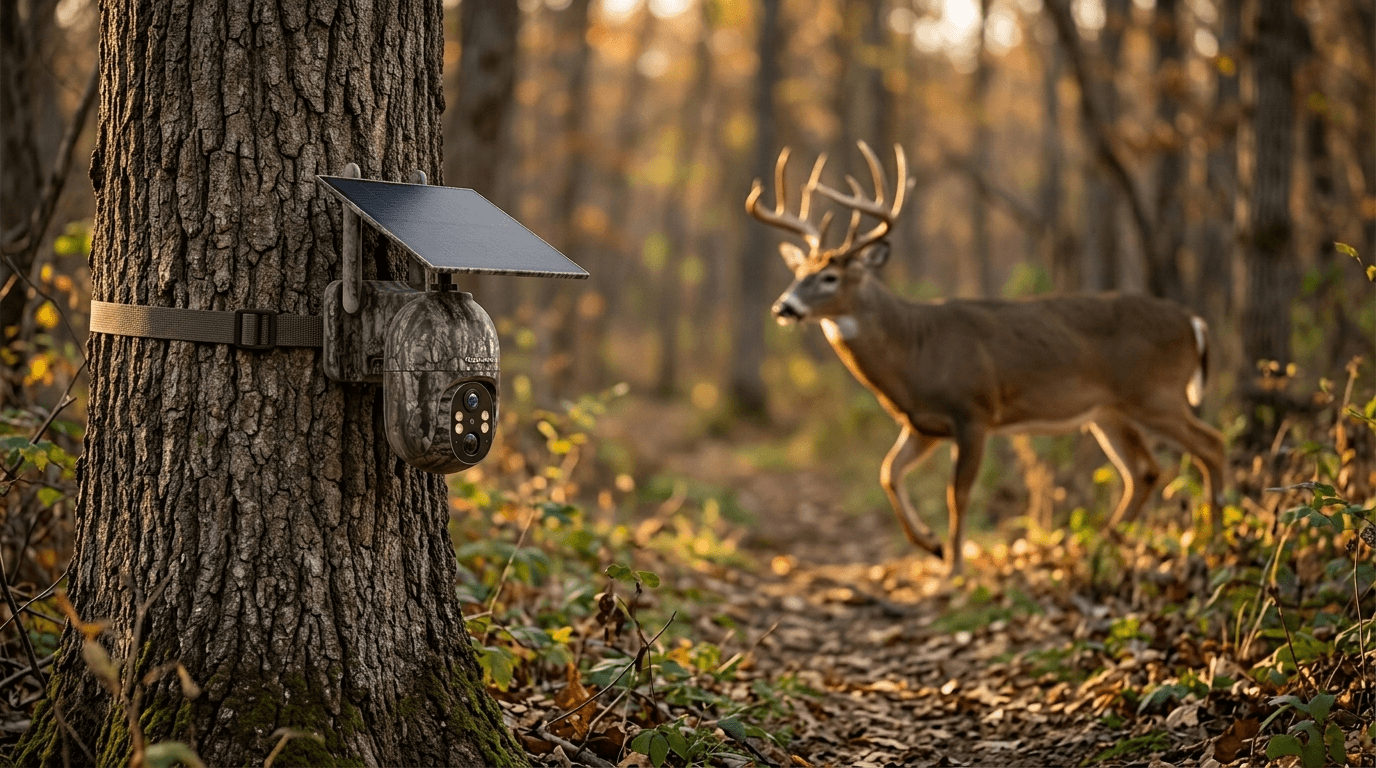
Modern solar trail cameras significantly reduce maintenance while providing extended field deployment.
Benefits include:
- Longer operating time
- Fewer site visits
- Lower long-term costs
- Environmentally friendly power
For hunters monitoring remote properties, solar power offers greater convenience and reliability throughout the season.

Understanding Night Vision
Most deer movement occurs during low-light conditions, making night vision one of the most important features.
There are two common infrared technologies:
Black Flash (No Glow)
- Nearly invisible to wildlife
- Ideal for cautious mature bucks
- Maximum concealment
Low Glow
- Slightly brighter illumination
- Longer night range
- Excellent image clarity
Hunters focused on minimizing disturbance often prefer black flash technology.

Choosing the Right Camera Based on Your Hunting Style
Public Land Hunters
Prioritize:
- Compact design
- Fast trigger speed
- Black flash night vision
- Long battery life
Private Land Owners
Consider:
- Cellular connectivity
- Solar charging
- Remote management
- High-resolution video
Wildlife Enthusiasts
Focus on:
- Excellent daytime image quality
- Reliable night vision
- Long recording time
- Quiet operation
Why Voopeak Trail Cameras Stand Out
Voopeak trail cameras are designed for hunters and wildlife enthusiasts who demand dependable performance in challenging outdoor environments.
Key advantages include:
- High-resolution photo and video capture
- Fast motion detection
- Reliable infrared night vision
- Weather-resistant construction
- Solar-powered and cellular options on select models
- Easy setup and intuitive operation
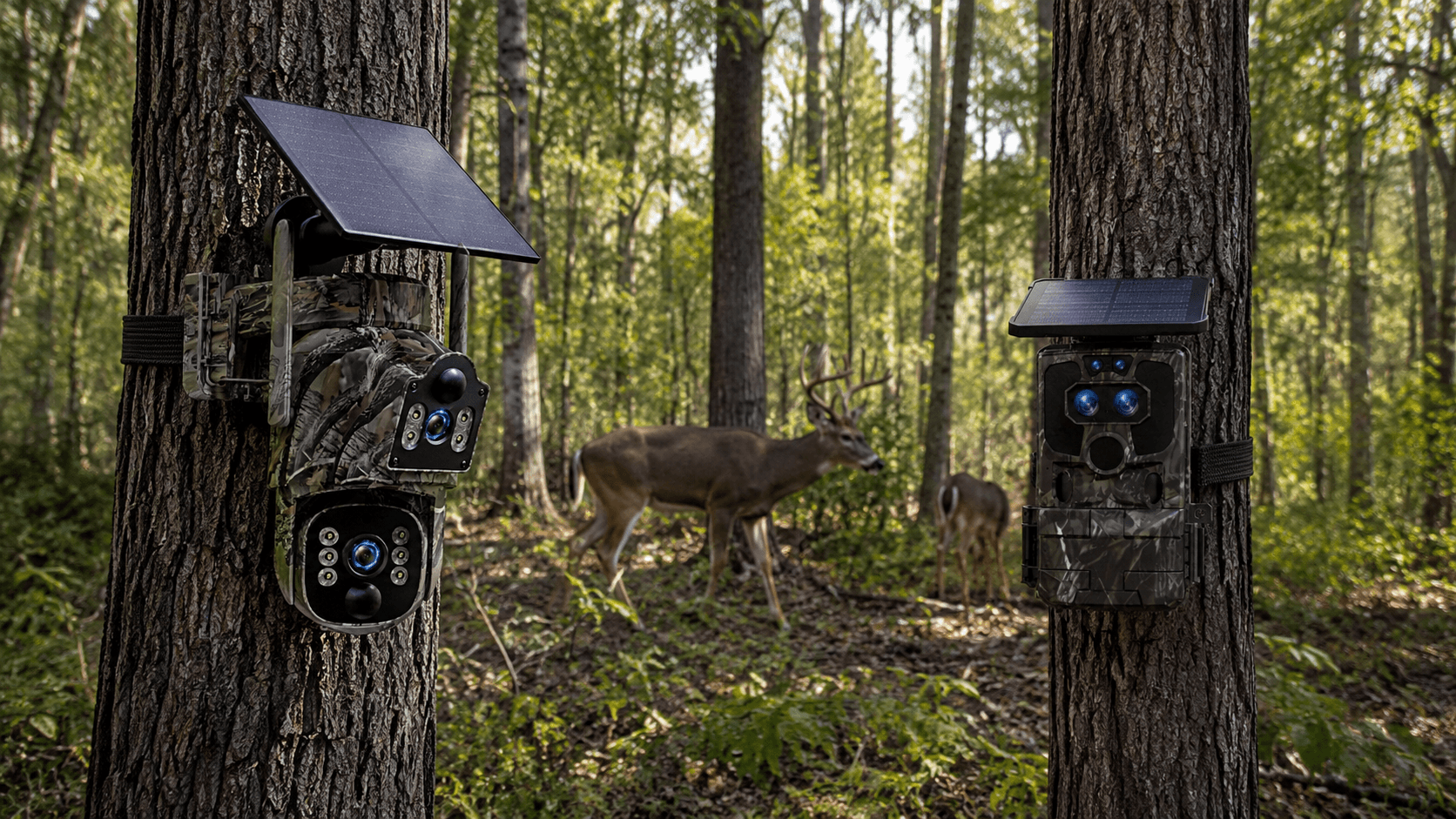
For hunters seeking advanced remote monitoring, models such as the Voopeak TC39 4G LTE Solar Dual Lens Trail Camera combine cellular connectivity, solar charging, and dual-lens imaging for efficient scouting with fewer trips into the field.

Common Trail Camera Buying Mistakes
Avoid these common mistakes:
- Choosing image resolution over trigger speed
- Ignoring battery performance
- Mounting cameras too high or too low
- Placing cameras in direct sunlight
- Forgetting to test detection angles
- Using the wrong night vision mode
- Visiting cameras too frequently and leaving human scent
Proper placement and configuration often matter just as much as camera specifications.
FAQ
What is the best trail camera for deer hunting?
The best trail camera offers fast trigger speed, reliable night vision, durable weather resistance, and image quality suitable for identifying deer movement.
Are cellular trail cameras worth it?
Yes. They allow hunters to receive photos remotely, reducing disturbances and improving scouting efficiency.
Do trail cameras scare deer?
Modern black flash cameras emit little to no visible light, making them much less likely to disturb wildlife.
How high should a trail camera be mounted?
Generally, position the camera around chest height and angle it slightly downward toward expected deer movement for the best results.
Is solar charging worth it?
For long-term deployments, solar charging reduces maintenance and minimizes the need to revisit the camera site.

Conclusion
The best trail camera for deer hunting isn't simply the one with the highest megapixel count—it’s the one that delivers dependable performance in the environments you hunt most often. Factors such as trigger speed, detection range, night vision quality, battery life, and connectivity all play a significant role in successful scouting.
Whether you choose a WiFi trail camera for local monitoring or a cellular trail camera for remote access, investing in the right technology can help you gather better wildlife data while reducing unnecessary trips into the field. By selecting a reliable solution built for real hunting conditions, you'll be better prepared for every season.

Leave a comment
This site is protected by hCaptcha and the hCaptcha Privacy Policy and Terms of Service apply.