
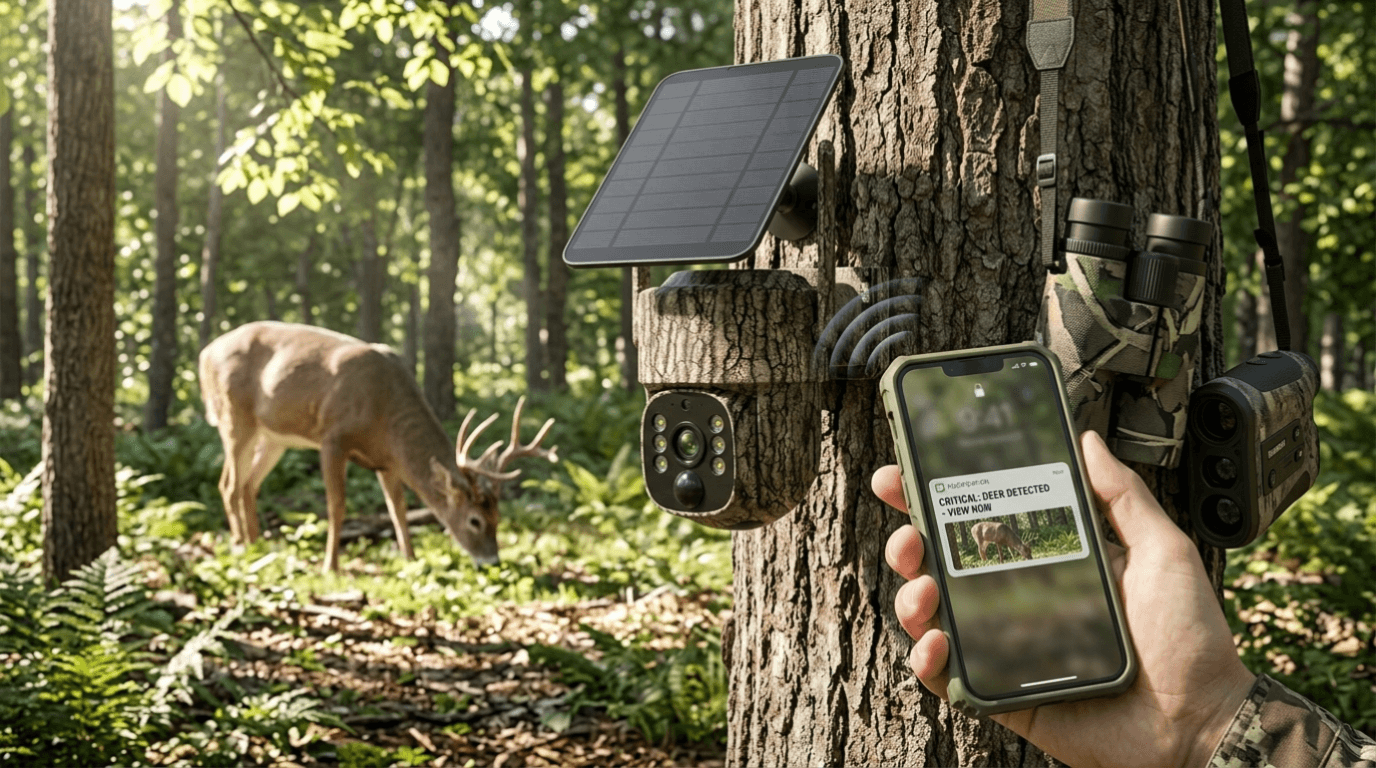
Technology has completely transformed modern hunting and wildlife monitoring. One of the biggest innovations in recent years is the rise of the cellular trail camera. Unlike traditional trail cameras that require you to physically remove an SD card to view footage, cellular trail cameras can send photos and videos directly to your smartphone within seconds.
Whether you're scouting deer movement, monitoring remote property, or observing wildlife activity, a cellular trail camera gives you real-time access without disturbing the area.
In this guide, we’ll explain exactly how cellular trail cameras work, how they send images instantly to your phone, and why more hunters are switching to advanced models like the Voopeak cellular trail camera series.
What Is a Cellular Trail Camera?
A cellular trail camera is a wireless hunting camera that uses a 4G LTE cellular network to transmit photos and videos remotely. Instead of storing all footage only on an SD card, the camera uploads captured images through a mobile network directly to a smartphone app or cloud storage platform.
This allows hunters and property owners to receive real-time alerts anytime motion is detected.
Unlike WiFi trail cameras, cellular trail cameras do not require nearby internet access. As long as there is cellular signal coverage, the camera can send media from remote forests, farms, hunting land, or off-grid areas.
Key Features of Cellular Trail Cameras
- Instant photo transmission
- Remote access through mobile apps
- Real-time wildlife alerts
- 4G LTE connectivity
- Cloud-based image storage
- Remote camera management
- Night vision monitoring
- Solar power compatibility
How Cellular Trail Cameras Work
Cellular trail cameras combine several technologies together:
- Motion detection sensors
- Infrared night vision
- Built-in LTE cellular module
- SIM card connectivity
- Mobile application integration
Here’s what happens step by step when wildlife passes in front of the camera.
Step 1: Motion Detection Activates the Camera
The camera continuously monitors its surroundings using a PIR (Passive Infrared) motion sensor. When an animal or person enters the detection zone, the sensor detects heat and movement.
The camera immediately wakes from standby mode and captures a photo or video.

Step 2: The Camera Compresses the Image
After capturing the image, the camera processes and compresses the file to reduce transmission size. This helps the camera send photos quickly while minimizing mobile data usage.
Many modern 4G trail cameras can deliver videos to your phone in under 30 seconds depending on signal strength.
Some premium models can also send:
- HD images
- Video clips
- Burst photo sequences
- Time-lapse captures
Step 3: The LTE Module Connects to the Cellular Network
Inside the camera is a built-in cellular modem similar to the one used in smartphones.
The camera uses a SIM card and cellular data plan to connect to nearby 4G LTE towers. Once connected, the camera uploads captured media to a cloud server or directly to the companion mobile app.
This is why signal strength is extremely important when choosing camera placement.
Areas with strong LTE coverage typically provide:
- Faster photo delivery
- Better upload stability
- Lower battery consumption
- Improved app responsiveness

Step 4: Photos Are Sent to Your Smartphone
Once uploaded, the image appears in your mobile app almost instantly.
Most cellular trail camera apps allow you to:
- Receive push notifications
- Download photos remotely
- Watch live previews
- Adjust camera settings
- Check battery status
- Monitor SD card storage
- Manage multiple cameras
This means hunters no longer need to enter hunting areas frequently and risk leaving scent behind.
Why Hunters Prefer Cellular Trail Cameras
Cellular hunting cameras offer several major advantages compared to traditional trail cameras.
Reduced Human Disturbance
One of the biggest hunting mistakes is checking cameras too often. Human scent and movement can scare deer away from feeding and travel routes.
With a cellular trail camera, you can monitor wildlife activity remotely without physically visiting the location.
Better Real-Time Scouting
Cellular trail cameras allow hunters to monitor deer movement patterns in real time.
You can instantly identify:
- Active trails
- Feeding schedules
- Buck movement
- Rut activity
- Travel direction
- Peak movement times
This helps hunters make smarter decisions before entering the field.
Improved Security Monitoring
Many users also use cellular trail cameras for:
- Farm surveillance
- Cabin security
- Property monitoring
- Equipment protection
- Remote gate observation
Because alerts arrive instantly, users can quickly respond to suspicious activity.

Do Cellular Trail Cameras Need WiFi?
No. Cellular trail cameras do not require WiFi.
This is one of the biggest differences between WiFi trail cameras and cellular trail cameras.
WiFi Trail Camera
- Limited transmission range
- Usually works within short distances
Cellular Trail Camera
- Uses mobile LTE networks
- Works in remote outdoor areas
- Sends images over long distances
For hunters placing cameras deep in the woods, cellular connectivity is far more practical.
How Much Data Do Cellular Trail Cameras Use?
Data usage depends on:
- Video length
- Number of triggers
- Upload frequency
Most users consume relatively small amounts of data for photo-only transmission.
Many manufacturers now offer affordable data plans specifically designed for hunting cameras.
Battery Life and Solar Power
Because cellular transmission uses additional power, battery life is important.
Modern cellular trail cameras improve efficiency through:
- Motion-only activation
- Solar panel compatibility
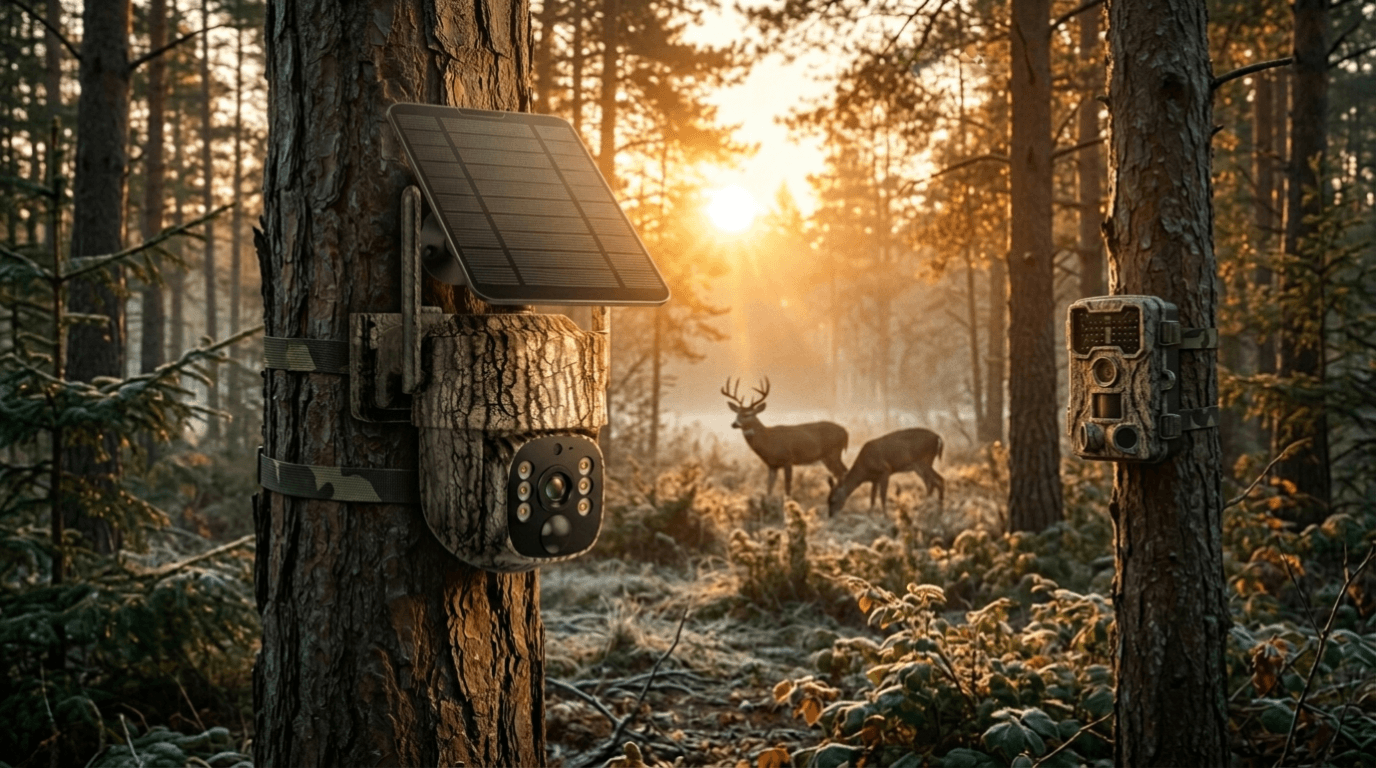
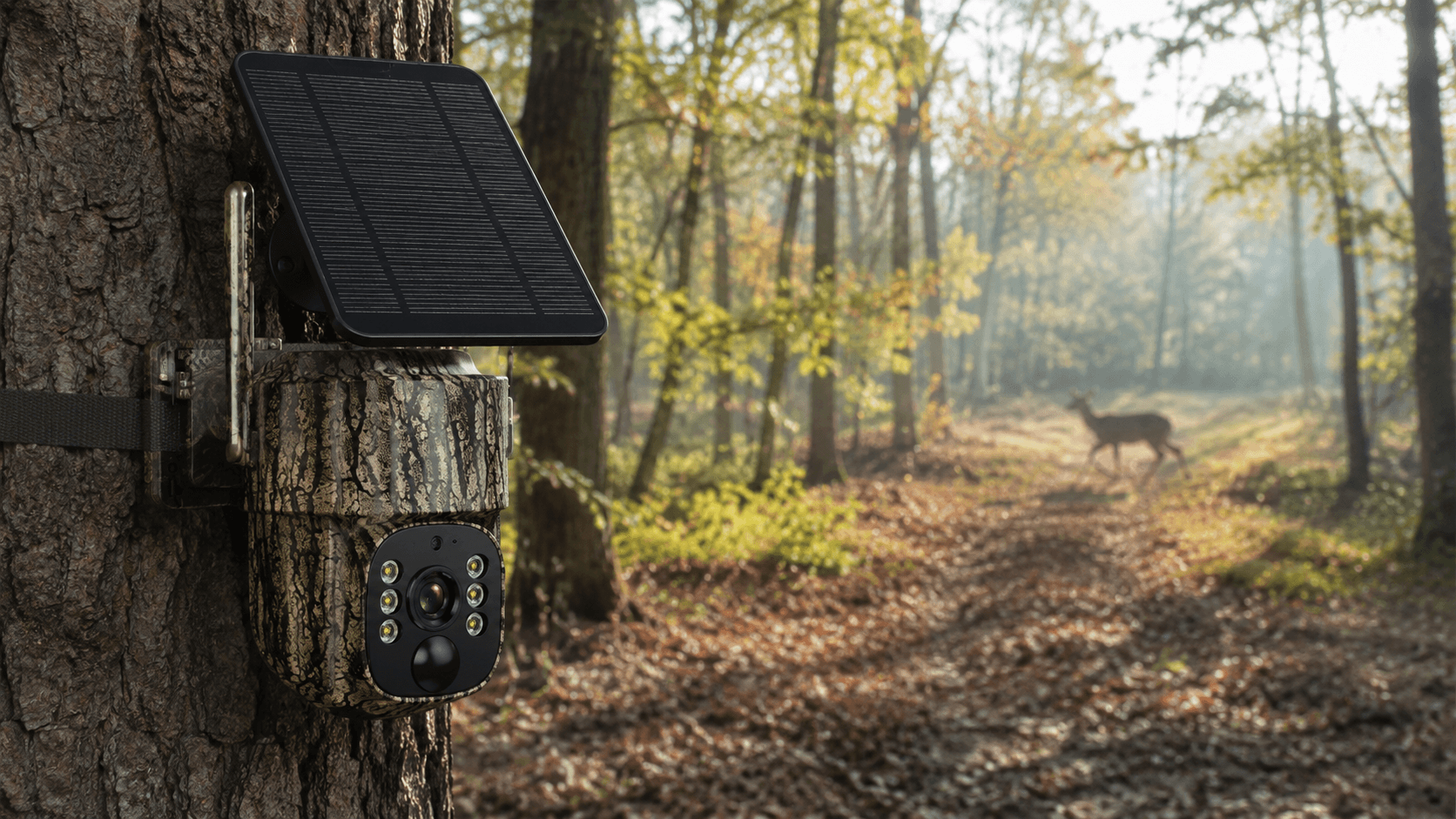
Solar-powered cellular trail cameras are becoming increasingly popular because they reduce maintenance and keep cameras running for months in remote locations.

Why Choose a Voopeak Cellular Trail Camera?
Voopeak cellular trail cameras are designed for hunters who need reliable remote monitoring in demanding outdoor environments.
Features often include:
- 4G LTE connectivity
- Fast trigger speed
- HD night vision
- Weatherproof construction
- Mobile app control
- Solar charging compatibility
- Wide detection angle
- Remote image transmission
Models like the Voopeak TC32 4G cellular trail camera help hunters stay connected to wildlife activity anytime and anywhere.
Whether you’re tracking deer movement or securing remote property, Voopeak cameras provide dependable performance with modern smart features.
Final Thoughts
Cellular trail cameras have revolutionized wildlife scouting and remote monitoring. By combining motion sensors, infrared night vision, LTE connectivity, and smartphone apps, these cameras can instantly deliver photos from the field directly to your phone.
For hunters, this means less disturbance, better scouting data, and smarter hunting decisions.
As technology continues to improve, cellular trail cameras are quickly becoming essential gear for serious hunters and outdoor enthusiasts alike.
If you want reliable real-time monitoring, a Voopeak cellular trail camera is an excellent solution for modern hunting and remote property surveillance.

Leave a comment
This site is protected by hCaptcha and the hCaptcha Privacy Policy and Terms of Service apply.