
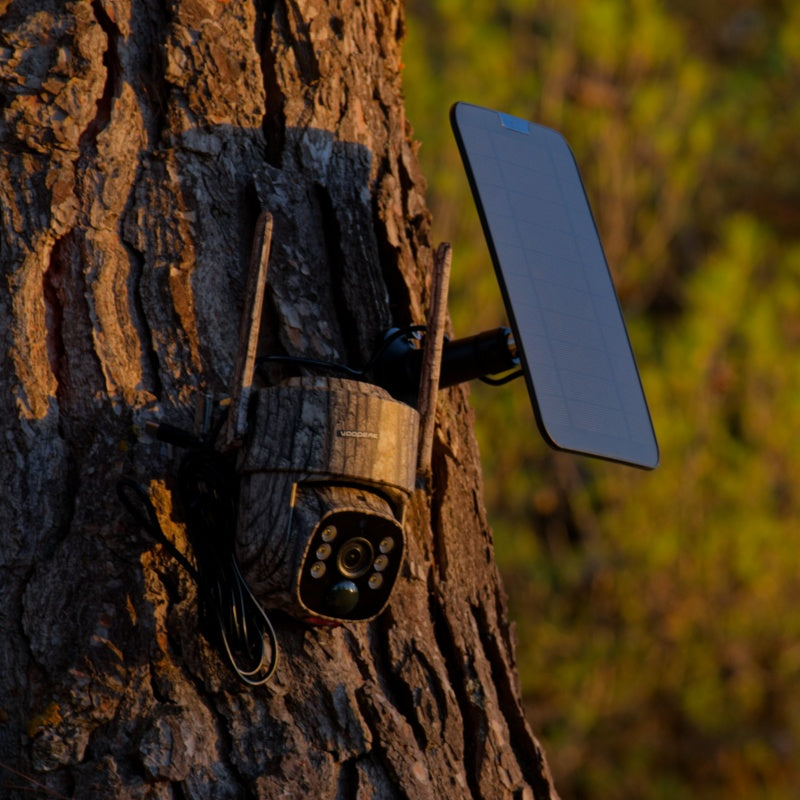
Angesichts der steigenden Nachfrage nach Jagd im Freien, Wildtierüberwachung und Sicherheit in abgelegenen Gebieten werden Cellular Wildkameras zur bevorzugten Wahl für immer mehr Nutzer. Im Vergleich zu herkömmlichen SD-Karten-Wildkameras können Cellular Wildkameras Fotos und Videos über 4G-Netzwerke fernübertragen, wodurch „die Situation jederzeit und überall, ohne vor Ort zu sein“, überwacht werden kann.
Wie genau funktionieren Cellular Wildkameras? Dieser Artikel wird dies anhand der Voopeak Wildkamera umfassend analysieren.
1. Was ist eine Cellular Wildkamera?
Eine Cellular Wildkamera ist im Wesentlichen eine intelligente Wildkamera, die ein mobiles Kommunikationsmodul (4G LTE) integriert. Sie besitzt nicht nur die Kernfunktionen einer normalen Wildkamera, wie Infrarot-Nachtsicht, PIR-Sensorik und hochauflösende Aufnahmen, sondern verbindet sich, ähnlich einem Smartphone, über eine SIM-Karte mit einem Mobilfunknetz, um aufgenommene Inhalte in Echtzeit oder in festgelegten Intervallen an Ihr Mobiltelefon oder Ihre App zu senden.
Am Beispiel der Voopeak 4G Wildkamera verfügt diese über ein integriertes Mobilfunkmodul und unterstützt eine dedizierte IoT-SIM-Karte, sodass sie auch in Umgebungen ohne Wi-Fi, wie tiefen Bergen, Wäldern und Bauernhöfen, stabil funktioniert (bitte beachten Sie, dass die Mobilfunkkamera ein Mobilfunksignal benötigt, um zu funktionieren).

2. Kernfunktionsprinzip von Cellular Wildkameras
2.1 PIR-Infrarotsensor ausgelöste Aufnahme
Cellular Wildkameras verwenden typischerweise PIR-Sensoren (Passive Infrarot).
Wenn ein Tier oder eine Person vorbeikommt, löst der Temperaturunterschied zwischen ihrem Körper und der Umgebung den PIR-Sensor aus, und die Kamera macht in sehr kurzer Zeit ein Bild oder Video.
Voopeak Wildkameras zeichnen sich durch Sensorempfindlichkeit und Auslösegeschwindigkeit aus und reduzieren effektiv Fehlaufnahmen und die Wahrscheinlichkeit von Falschauslösungen.
2.2 Hochauflösende Bilder und Nachtsichtaufnahmen
Nach der Aufnahme erzeugt die Kamera hochauflösende Fotos oder Videodateien.
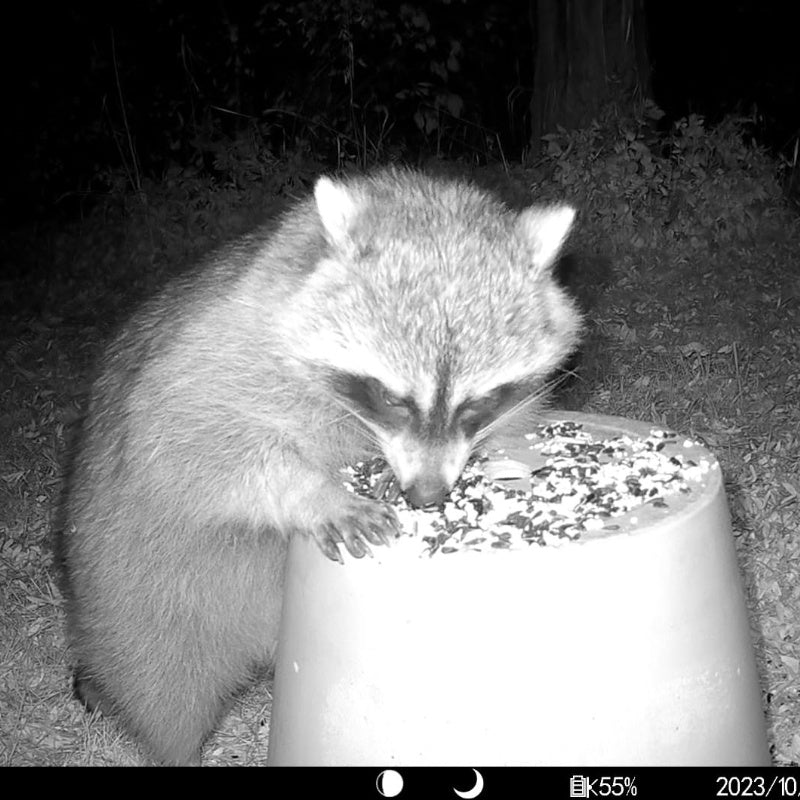
Nachts verlassen sich Cellular Wildkameras auf ein glanzloses Infrarot-Nachtsichtlicht für verdeckte Aufnahmen, ohne Tiere zu stören oder leicht entdeckt zu werden. Viele Voopeak-Modelle unterstützen klare Nachtsichtbilder und zeichnen detaillierte Tieraktivitäten auch in völliger Dunkelheit auf.
2.3 Datenübertragung über 4G-Mobilfunknetz
Dies ist der wichtigste Schritt für Cellular Wildkameras. Das eingebaute 4G LTE-Kommunikationsmodul der Kamera verbindet sich über eine SIM-Karte mit dem Netzwerk des lokalen Betreibers. Wenn die Signalstärke es zulässt, werden Fotos oder Videos komprimiert und auf einen Cloud-Server hochgeladen, dann an die mobile App des Benutzers gesendet. Voopeak Cellular Wildkameras unterstützen typischerweise mehrere Frequenzbänder, wodurch sie für Mainstream-Märkte wie Nordamerika und Europa geeignet sind und ideal für Übersee-Benutzer und regionenübergreifende Bereitstellungen.
2.4 Fernanzeige und -verwaltung über mobile App
Benutzer müssen lediglich die entsprechende App auf ihren Mobiltelefonen installieren, um:
Aufgenommene Fotos/Videos in Echtzeit anzuzeigen
Aufnahmemodi und -parameter aus der Ferne anzupassen
Batteriestand, Signalstärke und Speicherstatus anzuzeigen
Zentrale Verwaltung mehrerer Geräte
Für Jagdbegeisterte bedeutet dies weniger häufige Fahrten in die Berge, um Kameras abzuholen; für Landwirte oder Forstverwalter reduziert es die manuellen Patrouillenkosten erheblich.

3. Stromversorgung für Cellular Wildkameras
Mobilfunkkommunikation verbraucht mehr Strom, daher ist das Stromversorgungssystem entscheidend.
Voopeak Cellular Wildkameras unterstützen typischerweise mehrere Stromversorgungsarten:
Eingebauter oder austauschbarer Lithium-Akku
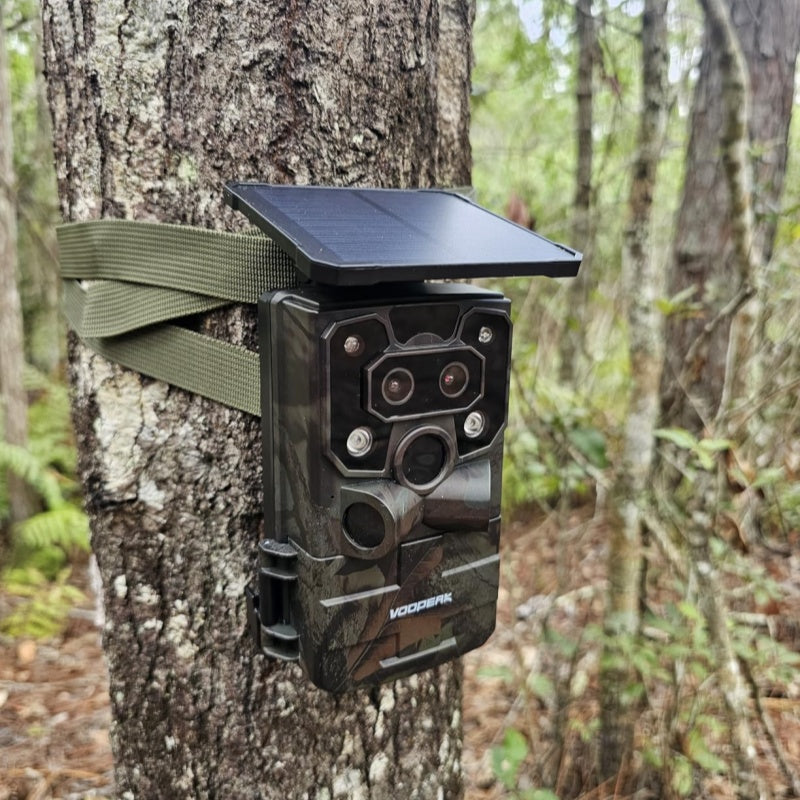
Externes Solarpanel
Energiesparendes Standby-Design
Die Kombination aus Solarenergie und 4G-Übertragung ist ideal für den langfristigen Einsatz in abgelegenen Gebieten und ermöglicht einen wirklich unbeaufsichtigten Betrieb.
4. Welche Anwendungsszenarien eignen sich für Voopeak Cellular Wildkameras?
Wildtierüberwachung
Erfahren Sie aus der Ferne mehr über die Aktivitätsmuster von Tieren, ohne deren Lebensraum zu stören.
Jagd und Jagdplanung
Kennen Sie die Routen und Erscheinungszeiten der Beute im Voraus, um die Jagdeffizienz zu verbessern.
Diebstahlschutz auf Bauernhöfen und in Wäldern
Überwachen Sie illegales Eindringen in Echtzeit und erhalten Sie sofort Beweismittel.
Sicherheit in abgelegenen Gebieten
Einsatz in Umgebungen ohne Strom- oder Internetzugang, wie Obstgärten, Ranches und Waldhütten.

5. Cellular Wildkameras vs. traditionelle Wildkameras
Im Vergleich zu traditionellen Wildkameras sind die größten Vorteile von Cellular Wildkameras:
* Kein häufiger SD-Kartenwechsel erforderlich
* Echtzeit-Erfassung der Dynamik vor Ort
* Höhere Sicherheit und Komfort
Voopeak bietet ein hervorragendes Preis-Leistungs-Verhältnis und gewährleistet gleichzeitig stabile 4G-Konnektivität und klare Bildqualität, was sie zur ersten Wahl für viele Benutzer macht, die mit Cellular Wildkameras beginnen.
6. Zusammenfassung: Warum eine Cellular Wildkamera wählen?
Der Kernwert von Cellular Wildkameras liegt in „fern + echtzeit + intelligent“.
Über 4G-Netzwerke wird die Einschränkung traditioneller Wildkameras, die eine „Vor-Ort-Inspektion“ erfordern, aufgehoben, sodass Sie die Dynamik der Wildnis in Echtzeit erfassen können, egal wo Sie sich befinden.
Wenn Sie nach einer stabilen, benutzerfreundlichen Cellular Wildkamera suchen, die für den langfristigen Einsatz geeignet ist, dann ist die Voopeak Cellular Wildkamera zweifellos eine Überlegung wert.

Hinterlasse einen Kommentar
Diese Website ist durch hCaptcha geschützt und es gelten die allgemeinen Geschäftsbedingungen und Datenschutzbestimmungen von hCaptcha.