
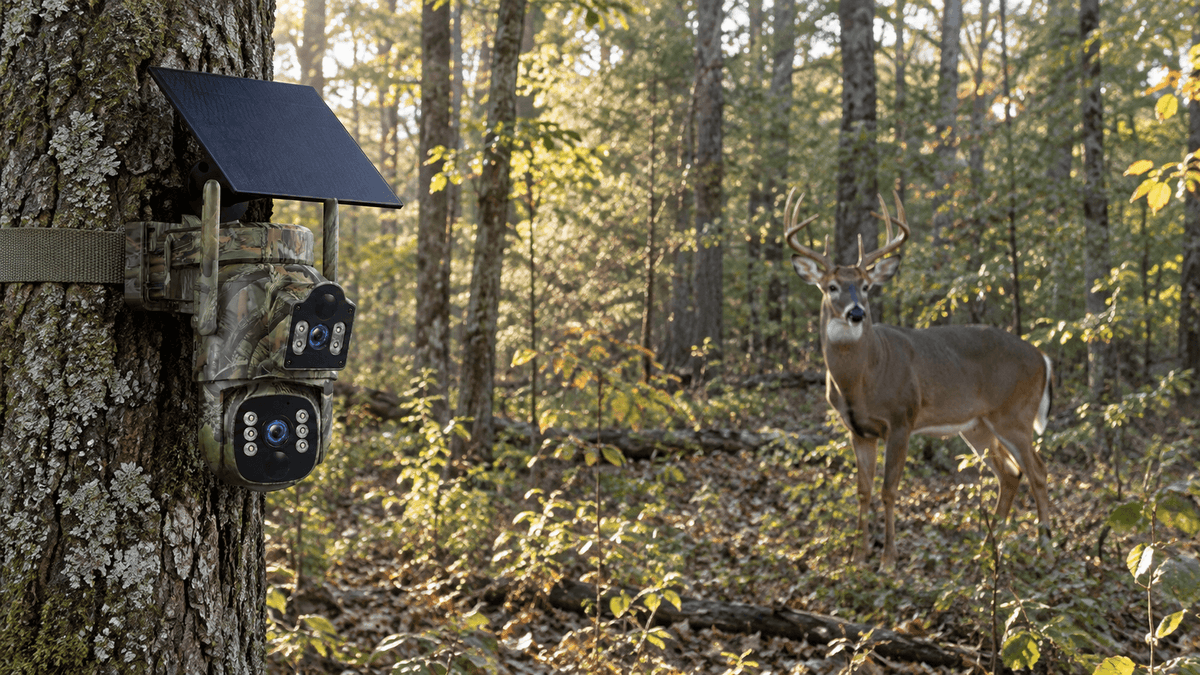
How Far Can a Trail Camera Detect Motion? Detection Range Explained
How far can a trail camera detect motion? Discover how PIR sensors work, why 10 meters is a practical detection range, and how proper camera placement can help capture more deer and wildlife activity.

How Do Trail Cameras Work? A Complete Beginner’s Guide
Wondering how trail cameras work? This beginner-friendly guide explains motion detection, PIR sensors, night vision, image capture, storage, WiFi, cellular connectivity, and solar power.
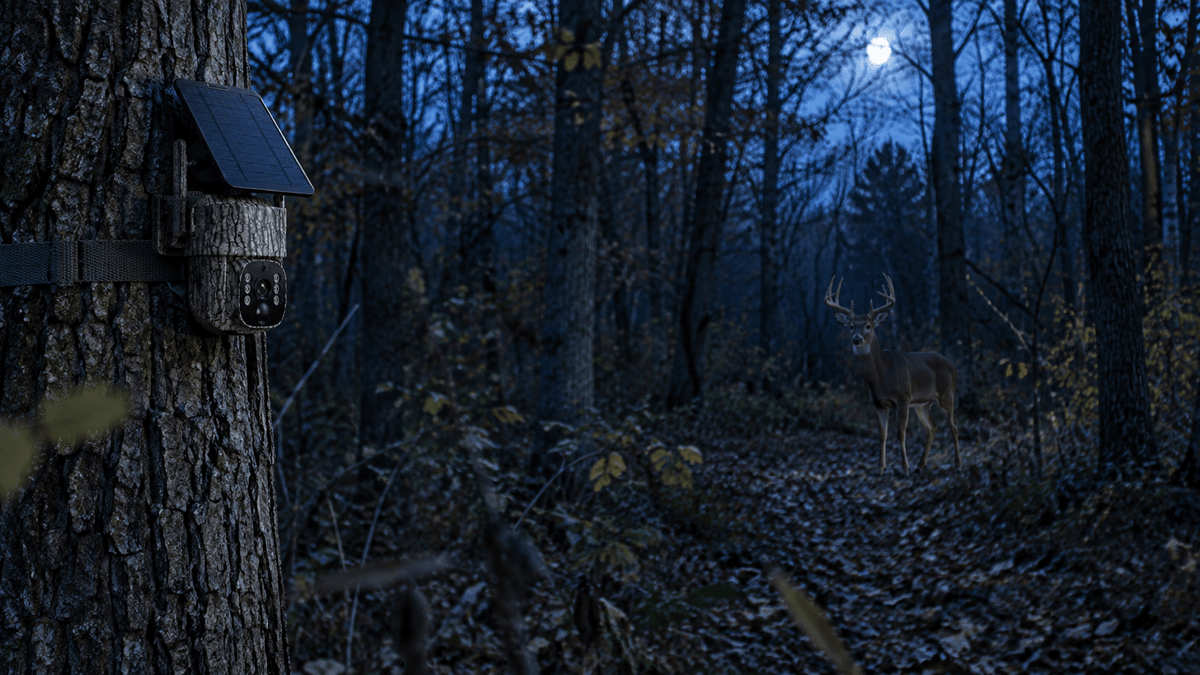
No-Glow vs Low-Glow Trail Cameras: Which Is Better for Night Hunting?
No-glow or low-glow trail camera—which is better for night hunting? Learn how 850nm and 940nm infrared technology affects stealth, night vision, image brightness, and range, plus how to choose the ...
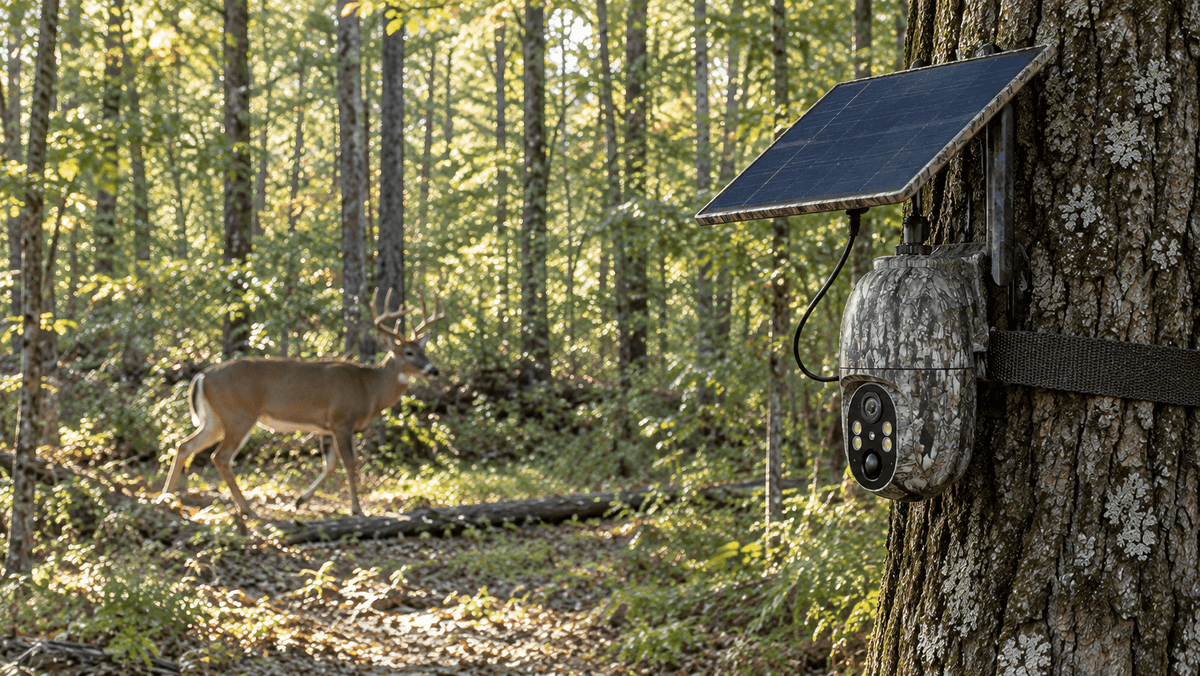
Solar Trail Cameras: How Do They Work and Are They Worth It?
Wondering how solar trail cameras work? Learn how solar panels, rechargeable batteries, motion detection, and night vision work together—and whether a solar-powered trail camera is worth it for hun...
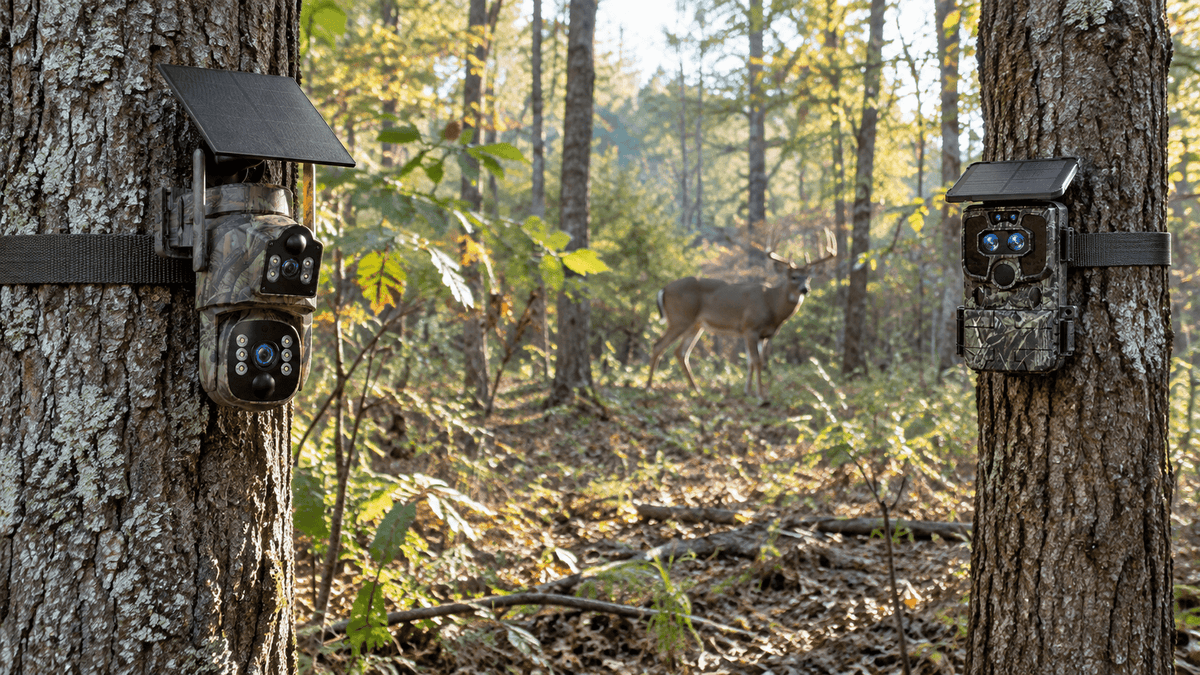
Do Trail Cameras Need WiFi? WiFi vs Cellular Explained
Do trail cameras need WiFi? Learn how WiFi and cellular trail cameras work, their key differences, and which connection is best for hunting, wildlife monitoring, and remote outdoor surveillance.

Best Trail Camera for Deer Hunting: What Features Actually Matter?
Looking for the best trail camera for deer hunting? Learn which features actually matter, including trigger speed, detection range, image quality, night vision, battery life, cellular connectivity,...