
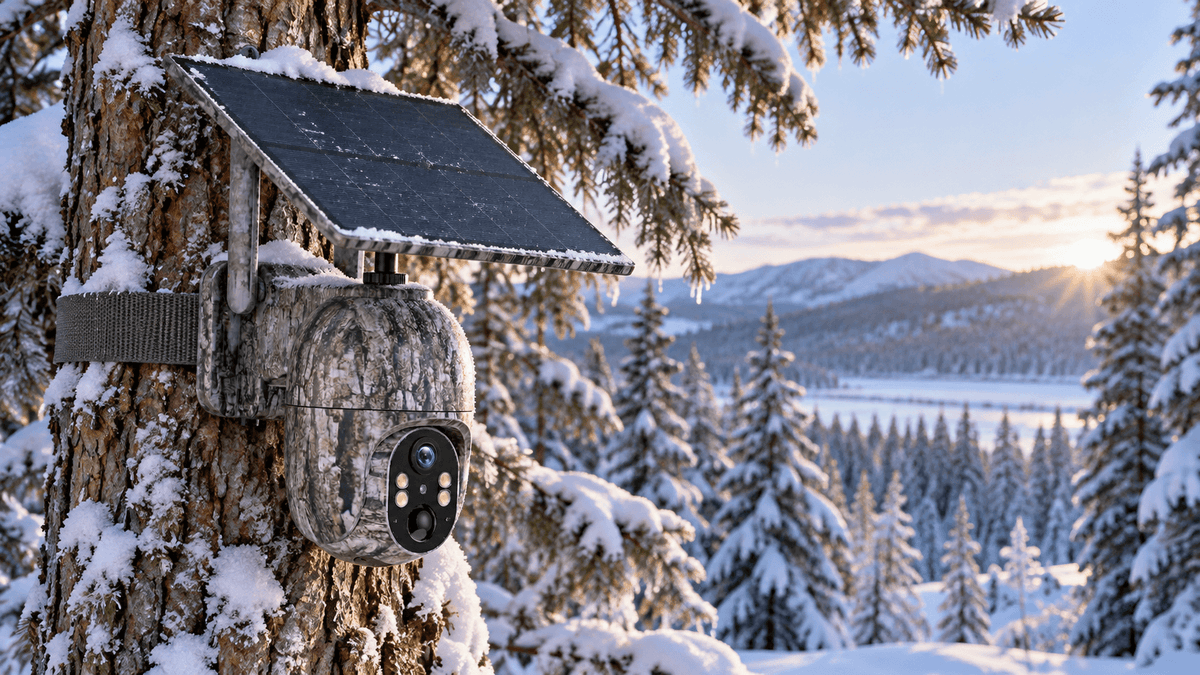
Cold weather can be challenging for any outdoor camera, especially when you rely on a trail camera to monitor wildlife, track deer movement, observe animal behavior, or protect remote property. When temperatures drop below freezing, you may notice shorter battery life, slower performance, or unexpected power loss.
So, how does cold weather affect trail camera battery life, and what can you do to keep your camera running reliably throughout winter?
The answer depends on several factors, including battery chemistry, temperature, camera settings, night vision usage, recording frequency, and available charging options. Understanding these factors can help you choose the right power source and get more reliable performance from your Voopeak trail camera.
In this guide, we explain why trail camera batteries drain faster in winter, which battery types are worth considering, and how to extend trail camera battery life in cold weather.
1. How Does Cold Weather Affect Trail Camera Battery Life?
Cold temperatures affect the chemical reactions inside batteries. As temperatures fall, these reactions generally slow down, increasing internal resistance and reducing the amount of energy a battery can deliver efficiently.
This means a battery that performs well during mild weather may provide less usable power in freezing conditions.
For a trail camera, the effects may include:
-
Shorter operating time between battery changes.
-
A faster drop in the displayed battery level.
-
Unexpected shutdowns when temperatures are extremely low.
-
Reduced performance during periods of frequent wildlife activity.
-
Less reliable operation when battery voltage drops below the camera's operating requirements.
The actual impact depends on the battery chemistry, battery condition, temperature, and the camera's power consumption. Not every battery or camera will behave the same way.
It is also important to distinguish between reduced available capacity and permanent battery damage. Some batteries recover part of their usable performance after warming up, although cold-weather operation can still significantly affect how long your camera stays powered in the field.
For hunters, wildlife enthusiasts, and property owners, understanding these limitations is essential for maintaining dependable winter wildlife monitoring.

2. Which Batteries Work Best for Trail Cameras in Winter?
Choosing the right battery is one of the most effective ways to improve trail camera performance in cold weather. However, battery compatibility should always come first: check your camera's manual before selecting a battery type.
Lithium Batteries
Lithium primary batteries, commonly sold in AA sizes, are often a strong choice for trail cameras used in cold environments. Many lithium AA batteries maintain better performance at low temperatures than standard alkaline batteries and can offer high energy density.
Potential advantages include:
-
Better low-temperature performance than many alkaline batteries.
-
A good shelf life when stored according to the manufacturer's instructions.
-
Reliable power delivery for outdoor electronics.
-
Less frequent battery replacement in suitable conditions.
However, not all lithium batteries are interchangeable. Primary lithium AA batteries are different from rechargeable lithium-ion batteries, and their voltage characteristics may vary. Use only the battery type and voltage specified by your trail camera manufacturer.
Alkaline Batteries
Alkaline batteries are widely available and can be convenient for general use. However, their performance typically declines more noticeably in cold weather.
In freezing conditions, alkaline batteries may deliver less usable energy, which can result in more frequent replacements. They may still be suitable for mild weather or occasional monitoring, depending on the camera's requirements.
Rechargeable Batteries
Rechargeable batteries can reduce ongoing battery costs, but their cold-weather performance depends on the specific chemistry and model.
Some rechargeable batteries may experience a significant reduction in usable capacity at low temperatures. Charging also requires special attention: certain lithium-ion batteries must not be charged below their specified minimum temperature because doing so can cause damage or create safety risks.
The bottom line: For winter wildlife monitoring, compare the manufacturer's low-temperature specifications, rated capacity, voltage compatibility, and expected operating conditions instead of choosing a battery based on price alone.

3. Night Vision Can Increase Battery Consumption
One of the most important factors affecting trail camera battery life is nighttime operation.
Many trail cameras use infrared LEDs to illuminate scenes after dark. When an animal enters the detection zone, the camera may activate its infrared illumination, capture photos, record video, or perform other programmed actions.
These operations consume energy, and the impact can become significant when the camera captures frequent nighttime activity.
Several factors can increase power consumption:
-
Frequent nighttime triggers: More detections can mean more camera activations.
-
Video recording: Recording video generally requires more energy than taking a single photo.
-
Long video clips: Longer recording times can increase energy consumption per trigger.
-
Infrared illumination: Nighttime illumination requires additional power.
-
High activity locations: Trails, feeding areas, and watering points may generate many recordings.
For example, a trail camera positioned along a busy deer trail may use more power than the same model placed in an area with infrequent wildlife movement.
This does not mean you should avoid night monitoring. Instead, choose settings that match your goals. If you mainly need to identify animal presence, still photos or shorter video clips may be sufficient.
For users monitoring wildlife throughout winter, balancing image quality, recording length, and battery life can make a noticeable difference.
4. Camera Settings That Help Extend Battery Life
You do not always need a different battery to improve winter performance. Adjusting your trail camera settings can also reduce unnecessary energy consumption.
Adjust Video Length
If your camera supports adjustable video duration, consider shorter clips when extended recordings are not necessary. This can reduce the energy used during each triggered recording.
Optimize Trigger Intervals
A short trigger interval can capture repeated movement, but it may also produce more files and increase camera activity.
Adjust the trigger interval to suit the location. For wildlife identification, a practical interval may provide enough information without recording every movement continuously.
Choose the Right Capture Mode
Photo mode can be a useful option when battery conservation is a priority. If you need video to observe animal behavior, use a duration that captures the necessary activity without creating unnecessarily long recordings.
Reduce Unnecessary Testing
Opening the camera frequently, reviewing files on its screen, and repeatedly triggering test recordings can consume additional energy. Configure your camera before deployment and limit unnecessary checks when possible.
Position the Camera Strategically
Place your camera where animals are likely to pass naturally. Correct positioning helps reduce irrelevant triggers caused by moving vegetation or other environmental activity.
Settings vary by model, so consult your Voopeak camera manual to confirm which options are available.

5. Can Solar Panels Help a Trail Camera in Winter?
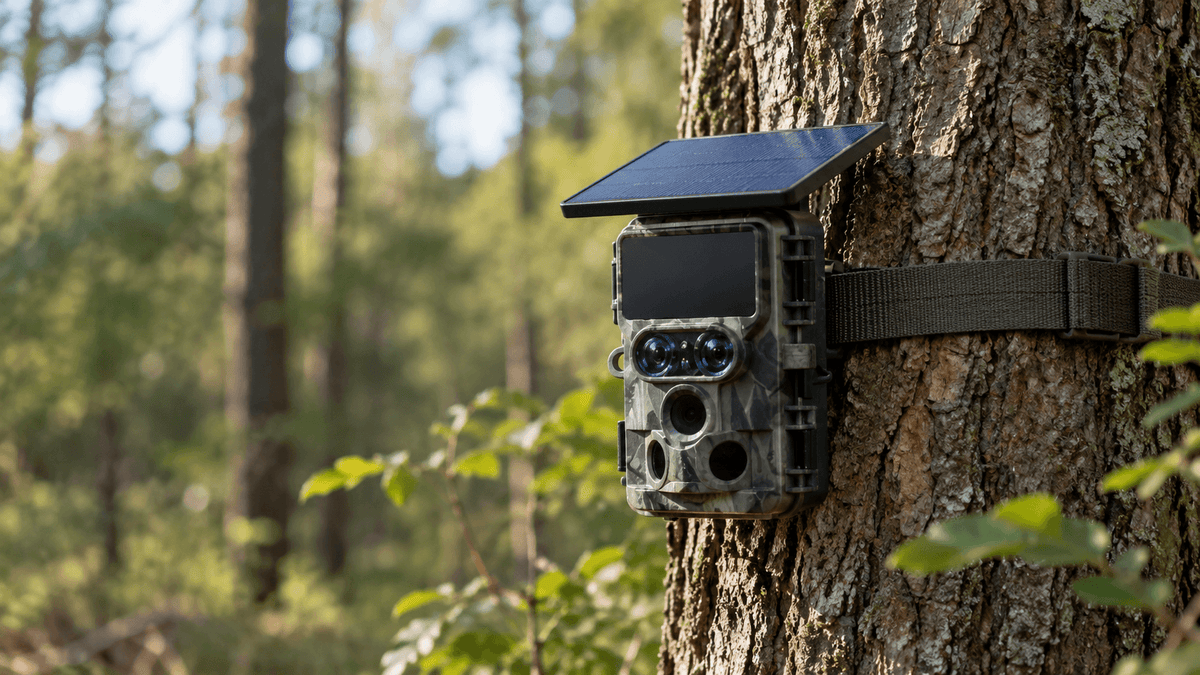
A solar panel can help support a compatible trail camera by providing supplemental power, potentially reducing how often batteries need to be replaced or recharged.
However, solar power is not automatically reliable throughout winter. Shorter daylight hours, snow accumulation, cloudy weather, and shaded mounting locations can all reduce energy production.
For better winter solar performance, consider the following tips:
-
Choose a sunny location: Position the panel where it receives as much direct sunlight as practical.
-
Keep the panel clear: Remove snow and debris when it is safe to do so.
-
Check the mounting angle: Orient the panel according to the manufacturer's guidance and local sunlight conditions.
-
Inspect cables and connections: Make sure connections remain secure and protected from moisture.
-
Plan for low-light periods: Keep an eye on available battery reserves during extended cloudy or snowy weather.
Before connecting an external solar panel, verify that it is compatible with your camera's power input and charging requirements. Never assume that panels with similar connectors have the same electrical specifications.
If you use a Voopeak trail camera with a compatible solar power solution, following the product's instructions can help you build a more dependable winter monitoring setup.
Remember that solar charging supplements available power; it does not guarantee uninterrupted operation during prolonged periods of poor sunlight.

6. Where You Install Your Camera Matters
Camera placement affects battery performance because the surrounding environment influences both the power available to the camera and how often it activates.
A few simple adjustments can improve your winter setup.
Avoid unnecessary exposure to harsh conditions. Choose a secure mounting location that follows the manufacturer's installation recommendations. Although outdoor trail cameras are designed for field use, extreme temperatures and prolonged exposure to moisture can still affect equipment performance.
Keep the lens and sensors unobstructed. Snow-covered branches and moving vegetation may interfere with monitoring or contribute to unwanted triggers.
Choose the detection zone carefully. Aim the camera at a defined trail or area of interest rather than a wide zone filled with irrelevant movement.
Consider accessibility. Install the camera where you can safely inspect it and replace batteries when necessary. Avoid risky climbs or approaching dangerous terrain during severe winter weather.
A well-planned location can reduce unnecessary activations and make routine maintenance easier.
7. Winter Maintenance Tips for Better Battery Performance
Even a suitable battery can struggle if it is old, damaged, improperly installed, or exposed to unsuitable conditions. A simple maintenance routine can help reduce unexpected downtime.
Before deploying your trail camera:
-
Start with fresh, compatible batteries or a fully charged approved power source.
-
Inspect the battery compartment for moisture, corrosion, or damaged contacts.
-
Confirm that the battery polarity is correct.
-
Check the camera's seals and housing for visible damage.
-
Test photo capture, video recording, and night vision before leaving the site.
-
Record the installation date and battery type so you can compare performance over time.
During winter, inspect the camera periodically when conditions allow. Check the battery indicator, review recent captures, and look for snow buildup or loose connections.
If you bring a cold camera indoors, condensation may form as it warms up. Follow the manufacturer's guidance for acclimatization and avoid opening the housing while moisture may enter sensitive components.
Never heat batteries directly or use damaged, leaking, or swollen batteries. Replace them according to the manufacturer's instructions.
8. How Long Should a Trail Camera Battery Last in Cold Weather?
There is no universal answer to how long a trail camera battery lasts in winter. Battery life varies according to camera model, battery chemistry, temperature, trigger frequency, recording mode, infrared usage, and the quality of the power source.
A camera used for occasional daytime photos may run much longer than one recording frequent nighttime videos in subfreezing weather.
For a more useful estimate, track real-world performance:
-
Note the battery type and installation date.
-
Record approximate daily temperatures.
-
Track the number of photos and videos captured.
-
Compare battery life across different settings.
-
Repeat the test under similar conditions whenever possible.
This information can help you determine how frequently your particular camera needs maintenance in your local climate.
Be cautious of battery-life claims that do not specify the test conditions. Results from mild weather may not accurately predict performance during freezing temperatures.
9. Keep Your Voopeak Trail Camera Ready for Winter Wildlife Monitoring
Reliable winter monitoring starts with understanding how temperature, battery chemistry, camera settings, and installation conditions work together.
For the best results, choose batteries that meet your camera's specifications, reduce unnecessary recordings, optimize infrared and video settings where possible, and maintain a clear, secure installation.
If you use a solar-powered setup, account for shorter daylight hours and keep the panel unobstructed whenever practical. Most importantly, test your equipment before relying on it for extended periods in remote locations.
Whether you are tracking deer movement, observing wildlife, monitoring a hunting property, or checking a remote outdoor area, a well-prepared trail camera can help you capture useful footage throughout the colder months.
Explore Voopeak trail cameras to find a suitable solution for your wildlife monitoring needs, and prepare your setup before the next cold front arrives.
FAQ
Does cold weather drain trail camera batteries faster?
Cold weather can reduce the usable capacity and power delivery of many batteries. The effect depends on battery chemistry, temperature, battery condition, and camera power consumption.
What are the best batteries for trail cameras in freezing temperatures?
Compatible lithium primary batteries are often a good option because many perform better in cold weather than alkaline batteries. Always follow the camera manufacturer's battery recommendations.
Why does my trail camera battery die so quickly in winter?
Possible causes include low temperatures, frequent motion triggers, long video clips, infrared night vision, aging batteries, poor battery contacts, and unsuitable power sources.
Do solar trail cameras work in winter?
They can, but solar charging may be reduced by short days, cloud cover, snow, and shade. Proper positioning and sufficient battery reserves are important.
How can I make my trail camera battery last longer?
Use compatible batteries, shorten unnecessary video recordings, adjust trigger settings, reduce irrelevant motion triggers, and inspect the camera periodically.
Should I remove my trail camera batteries during winter?
Not necessarily. Follow your camera manufacturer's storage and operating recommendations. If you remove batteries for long-term storage, store them in appropriate conditions and never leave leaking or damaged batteries inside the device.
Keep exploring with Voopeak: Prepare your trail camera for cold weather with the right batteries, smart settings, and a winter-ready installation.

Hinterlasse einen Kommentar
Diese Website ist durch hCaptcha geschützt und es gelten die allgemeinen Geschäftsbedingungen und Datenschutzbestimmungen von hCaptcha.