
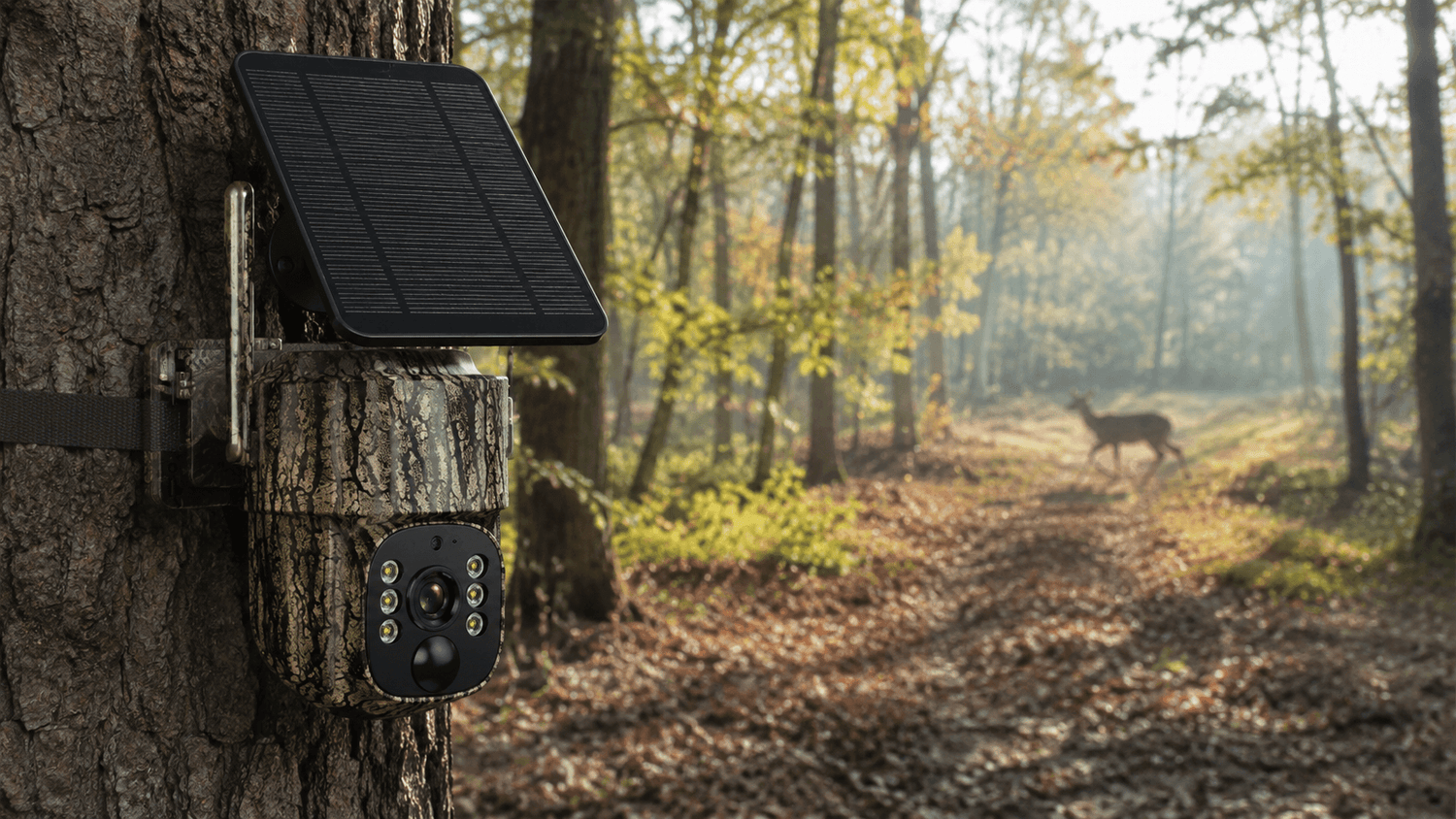
Wildkameras sind zu einem der wichtigsten Werkzeuge für Jäger, Naturliebhaber, Landbesitzer und Naturforscher geworden. Egal, ob Sie vor der Jagdsaison Rehe auskundschaften, die Wildtieraktivität überwachen oder abgelegenes Eigentum sichern, das Verständnis, wie Wildkameras funktionieren, kann Ihnen helfen, bessere Ergebnisse zu erzielen und die richtige Kamera für Ihre Bedürfnisse auszuwählen.
In diesem Leitfaden für Anfänger erklären wir die Technologie hinter modernen Wildkameras, wie die Bewegungserkennung funktioniert, wie Nachtsicht Bilder in der Dunkelheit aufnimmt und warum Mobilfunk-Wildkameras die Wildtierüberwachung für immer verändern.
Was ist eine Wildkamera?
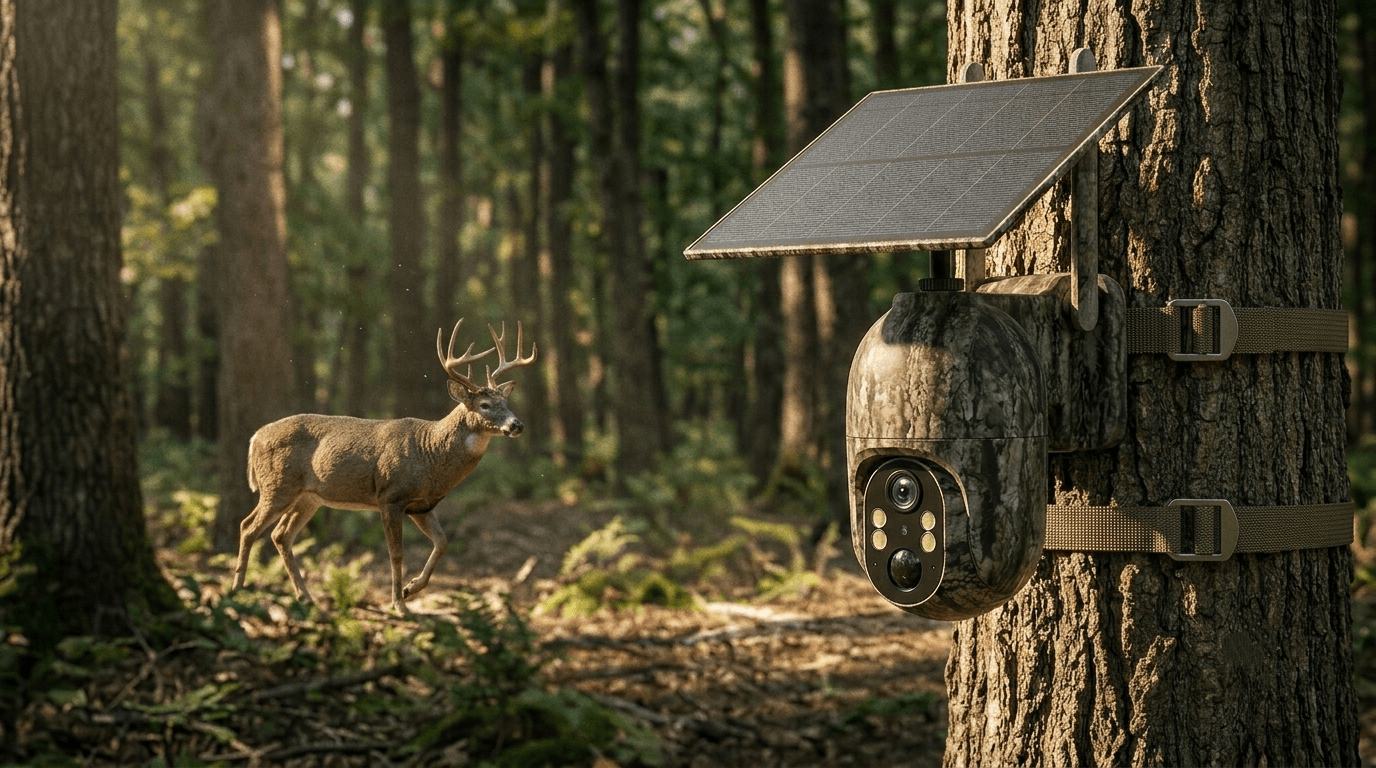
Eine Wildkamera, auch als Fotofalle bekannt, ist eine wetterfeste Outdoor-Kamera, die so konzipiert ist, dass sie automatisch Fotos oder Videos aufnimmt, wenn sie Bewegung erkennt.
Im Gegensatz zu herkömmlichen Kameras können Wildkameras wochen- oder monatelang im Feld bleiben und ohne menschliches Eingreifen funktionieren.
Häufige Anwendungen sind:
- Reh-Scouting
- Wildtierbeobachtung
- Jagdvorbereitung
- Grundstücksüberwachung
- Farmüberwachung
- Verwaltung abgelegener Ländereien
Moderne Wildkameras wie die Voopeak TC22 und TC32 bieten fortschrittliche Funktionen wie 4K-Video, WLAN-Konnektivität, KI-gestützte Erkennung und Infrarot-Nachtsicht.

Die Hauptkomponenten einer Wildkamera
Das Verständnis der Kernkomponenten hilft genau zu erklären, wie eine Wildkamera funktioniert.
1. PIR-Bewegungssensor
Die wichtigste Komponente ist der Passive Infrarotsensor (PIR).
Anstatt Bewegung visuell zu erkennen, erfasst der PIR-Sensor Änderungen der Wärmeenergie.
Wenn ein Tier vor der Kamera vorbeigeht:
- Die Körperwärme erzeugt eine Infrarotsignatur.
- Der Sensor erkennt den Temperaturunterschied.
- Die Kamera wird sofort aktiviert.
- Fotos oder Videos werden aufgenommen.
Diese Technologie ermöglicht es den Kameras, im Ultra-Low-Power-Standby-Modus zu bleiben und gleichzeitig die Batterielebensdauer zu schonen.
2. Kameraobjektiv
Das Objektiv nimmt Bilder auf, sobald es ausgelöst wird.
Hochwertigere Wildkameras verfügen typischerweise über:
- 24MP bis 48MP Fotoauflösung
- 1080P bis 4K Videoaufzeichnung
- Weite Blickwinkel
- Schnelle Auslösegeschwindigkeiten
Ein hochwertiges Objektiv ist unerlässlich, um klare Details von Rehgeweihen, Truthahnfedern und anderen Wildtiermerkmalen aufzunehmen.
3. Prozessor
Der Prozessor fungiert als Gehirn der Kamera.
Er verwaltet:
- Bewegungserkennung
- Bildverarbeitung
- Videokompression
- Nachtsichtbetrieb
- Datenspeicherung
Ein schnellerer Prozessor hilft, die Auslöseverzögerung zu reduzieren und die Bildqualität zu verbessern.
Wie funktioniert die Bewegungserkennung?
Eine der häufigsten Anfängerfragen ist:
"Woher weiß eine Wildkamera, wann sie ein Bild aufnehmen soll?"
Die Antwort liegt in der Infrarot-Wärmeerfassung.
Wenn ein Reh, Truthahn, Bär oder ein anderes Tier den Erfassungsbereich durchquert, erkennt der PIR-Sensor eine Temperaturänderung im Vergleich zur Umgebung.
Die Kamera wird dann automatisch aktiviert.
Wichtige Leistungsfaktoren sind:
- Erfassungsbereich
- Auslösegeschwindigkeit
- Wiederherstellungszeit
- Sensorempfindlichkeit
Moderne Voopeak-Wildkameras können Bewegungen aus über 20 Metern Entfernung erkennen und dabei schnelle Auslösegeschwindigkeiten beibehalten.

Wie machen Wildkameras nachts Bilder?
Die Nachtfotografie ist der Bereich, in dem Wildkameras wirklich glänzen.
Die meisten modernen Modelle verwenden Infrarot-LEDs.
Infrarot-Nachtsicht
Infrarot-LEDs emittieren Licht, das für Menschen und die meisten Wildtiere unsichtbar ist.
Wenn die Dunkelheit hereinbricht:
- Infrarot-LEDs aktivieren sich
- Die Szene wird beleuchtet
- Die Kamera nimmt Bilder ohne sichtbaren Blitz auf
Vorteile sind:
- Keine Störung der Tiere
- Bessere Scouting-Ergebnisse
- Diskretion bei der Überwachung
Kein Glühen vs. geringes Glühen
Kein Glühen (940 nm)
- Völlig unsichtbar
- Am besten für Sicherheitsanwendungen geeignet
Geringes Glühen (850 nm)
- Längere Beleuchtungsdistanz
- Leichtes rotes Glühen sichtbar
Jäger bevorzugen im Allgemeinen die "No Glow"-Technologie, um die Störung der Wildtiere zu minimieren.

Wo werden Fotos und Videos gespeichert?
Wildkameras speichern Aufnahmen auf Speicherkarten.
Die gängigste Option ist:
- SD-Karte
- MicroSD-Karte
Die Speicheranforderungen hängen ab von:
- Fotoauflösung
- Videolänge
- Auslösefrequenz
Eine 32-GB-Karte reicht für Anfänger meist aus, während Vielnutzer 64-GB- oder 128-GB-Karten bevorzugen.
Was ist eine Mobilfunk-Wildkamera?
Herkömmliche Wildkameras erfordern das physische Abrufen der Speicherkarte.
Mobilfunk-Wildkameras lösen dieses Problem.
Mit einer eingebauten SIM-Karte und einer mobilen Netzwerkverbindung können Bilder direkt an Ihr Smartphone gesendet werden.
Vorteile sind:
- Echtzeit-Updates über Wildtiere
- Fernüberwachung von Grundstücken
- Geringere Verunreinigung durch menschlichen Geruch
- Schnellere Scouting-Entscheidungen
Modelle wie die Voopeak TC32 Mobilfunk-Wildkamera ermöglichen es Jägern, Wildaktivitäten von praktisch überall aus zu überwachen.

Wie lange halten die Batterien von Wildkameras?
Die Batterielebensdauer hängt von mehreren Faktoren ab:
Foto-Häufigkeit
Mehr Fotos bedeuten höheren Stromverbrauch.
Nachtaktivität
Infrarot-LEDs benötigen zusätzliche Energie.
Videoaufnahme
Video verbraucht mehr Strom als Standbilder.
Temperatur
Kaltes Wetter kann die Batterieeffizienz reduzieren.
Um die Batterielebensdauer zu maximieren:
- Verwenden Sie Lithium-Batterien
- Reduzieren Sie unnötige Auslöser
- Positionieren Sie Kameras sorgfältig
- Erwägen Sie solarbetriebene Lösungen
Viele moderne Wildkameras können mehrere Monate mit einem einzigen Satz Batterien betrieben werden.
So richten Sie eine Wildkamera richtig ein
Befolgen Sie diese anfängerfreundlichen Tipps:
Montieren Sie in der richtigen Höhe
Für Rehe:
- 90 bis 120 cm über dem Boden
Nach Norden ausrichten, wenn möglich
Dies reduziert Fehlauslösungen durch direkte Sonneneinstrahlung.
Vermeiden Sie Vegetation
Äste und Gras, die sich im Wind bewegen, können unerwünschte Fotos auslösen.
Vor dem Verlassen testen
Gehen Sie immer durch den Erfassungsbereich, um die Kamerapositionierung zu überprüfen.

Die beste Wildkamera auswählen
Wenn Sie Ihre erste Wildkamera kaufen, sollten Sie Folgendes beachten:
Bildqualität
Suchen Sie nach:
- Hochauflösende Fotos
- 4K-Videofunktion
Auslösegeschwindigkeit
Schnellere Auslösegeschwindigkeiten erfassen sich bewegende Tiere effektiver.
Erfassungsbereich
Längere Erfassungsbereiche verbessern die Wildtierabdeckung.
Nachtsichtleistung
Hochwertige Infrarotsysteme liefern klarere Nachtbilder.
Konnektivität
Optionen umfassen:
- SD-Kartenspeicher
- WLAN-Wildkameras
- Mobilfunk-Wildkameras
Warum immer mehr Jäger Voopeak-Wildkameras wählen
Voopeak-Wildkameras kombinieren fortschrittliche Technologie mit benutzerfreundlicher Bedienung.
Beliebte Funktionen umfassen:
- 4K-Videoaufnahme
- Hochauflösende Bildaufnahme
- Schnelle Auslösegeschwindigkeit
- Infrarot-Nachtsicht
- Mobilfunk-Konnektivitätsoptionen
- Robuste, wetterfeste Konstruktion
Egal, ob Sie Rehe auskundschaften, die Truthahnaktivität überwachen oder Wildtiere das ganze Jahr über beobachten, Voopeak bietet zuverlässige Lösungen für Anfänger und erfahrene Jäger gleichermaßen.
Fazit
Wildkameras funktionieren, indem sie Infrarot-Bewegungssensoren, fortschrittliche Bildgebungssysteme und intelligentes Energiemanagement kombinieren, um Wildtieraktivitäten automatisch aufzuzeichnen.
Das Verständnis, wie diese Systeme funktionieren, ermöglicht es Jägern und Outdoor-Enthusiasten, die richtige Ausrüstung zu wählen, die Kameraplatzierung zu optimieren und mehr nützliche Daten im Feld zu sammeln.
Egal, ob Sie eine traditionelle Wildkamera oder eine moderne Mobilfunk-Wildkamera bevorzugen, die heutige Technologie macht die Überwachung von Wildtieren einfacher und effektiver als je zuvor.
Wenn Sie gerade erst anfangen, kann die Investition in eine hochwertige Voopeak-Wildkamera eine zuverlässige, anfängerfreundliche Möglichkeit bieten, die Natur zu erkunden und unglaubliche Wildtier-Momente festzuhalten.


Hinterlasse einen Kommentar
Diese Website ist durch hCaptcha geschützt und es gelten die allgemeinen Geschäftsbedingungen und Datenschutzbestimmungen von hCaptcha.