
Einleitung
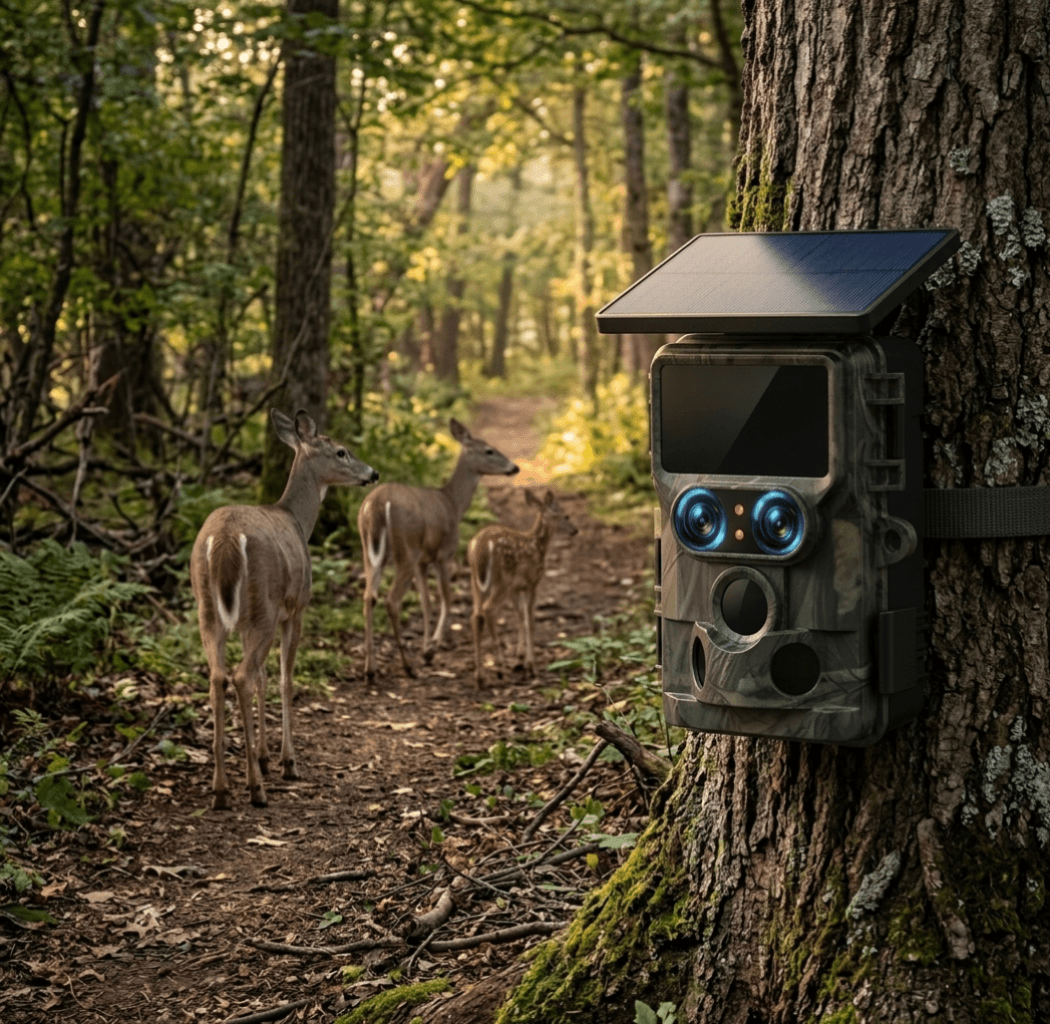
Wenn Sie nicht die erwarteten Ergebnisse von Ihrer Wildkamera erhalten, liegt das selten am Gerät – es ist meist die Platzierungsstrategie.
Zu verstehen, wo Sie Ihre Wildkamera für die besten Ergebnisse platzieren, ist der Schlüssel, um klare Bilder aufzunehmen, Wildtiermuster zu verfolgen und den Jagderfolg zu verbessern.
In diesem vollständigen Leitfaden erfahren Sie:
- Die besten Standorte für Wildkameras für konsistente Ergebnisse
- Fortgeschrittene Platzierungsstrategien, die von erfahrenen Jägern verwendet werden
- Wie man die Leistung mit modernen Mobilfunk-Wildkameras und Solar-Wildkameras optimiert
1. Wildwechsel: Der Top-Standort für Wildkameras

Wildwechsel sind die zuverlässigsten und produktivsten Standorte für Wildkameras.
Diese natürlichen Pfade werden von Tieren immer wieder genutzt, wenn sie sich zwischen Äsungs- und Ruheplätzen bewegen.
Wie man einen Wildwechsel erkennt:
- Sichtbare Trampelpfade oder niedergetretenes Gras
- Tierspuren und Kot
- Abgebrochene Äste oder gestörte Vegetation
Platzierungstipps:
- Positionieren Sie Ihre Kamera parallel zum Wildwechsel, nicht senkrecht
- Montieren Sie sie auf etwa 90-120 cm Höhe
- Halten Sie einen leichten Neigungswinkel nach unten ein
👉 Diese Einrichtung erhöht die Erfassungszeit und verbessert die Bildschärfe.
2. Wasserstellen: Hochfrequentierte Wildtierzonen

Wasser ist für alle Wildtiere lebensnotwendig und macht es zu einem der beständigsten Hotspots.
Beste Standorte:
- Natürliche Teiche
- Bäche und Flüsse
- Saisonale Wasserlöcher
Pro-Platzierungsstrategie:
- Platzieren Sie die Kamera 3-6 Meter entfernt
- Vermeiden Sie das direkte Ausrichten auf reflektierende Wasseroberflächen
- Auf einer schattigen Seite aufstellen, um Blendung zu reduzieren
👉 Wildtiere verweilen tendenziell in der Nähe von Wasser, was Ihre Chancen erhöht, längere Videoaufnahmen zu machen.
3. Nahrungsquellen und Äsungsflächen

Nahrungsquellen ziehen Tiere natürlich regelmäßig an.
Häufige Äsungsgebiete:
- Eichelreiche Wälder
- Ackerfelder
- Wildäcker und Kirrungen
Optimierungstipps:
- Kamera schräg anbringen für größere Abdeckung
- Nicht zu nah platzieren (verhindert Überbelichtung)
- Windrichtung beachten, um Geruchserkennung zu reduzieren
👉 Äsungsflächen sind ideal, um tägliche Bewegungsmuster zu identifizieren.
4. Trichter und Engpässe: Vorhersehbare Bewegungszonen

Trichter sind natürliche Engpässe, die Tiere auf einen schmalen Pfad zwingen.
Beispiele:
- Zwischen zwei Hügeln oder Bergrücken
- Zaunöffnungen
- Fluss- oder Bachüberquerungen
Warum sie funktionieren:
Tiere bevorzugen Wege des geringsten Widerstands, was ihre Bewegung vorhersehbar macht.
👉 Dies ist eine der besten Strategien für die Platzierung von Wildkameras bei der Jagd.
5. Ruhezonen: Fortgeschrittene Strategie für erfahrene Benutzer

Ruhezonen sind Orte, an denen Tiere tagsüber ruhen.
Eigenschaften:
- Dichte Deckung
- Ruhige, schattige Umgebungen
- Windgeschützt zu den Äsungszonen gelegen
⚠️ Wichtig:
Vermeiden Sie häufige Besuche, um die Wildtiere nicht zu stören.
👉 Am besten für eine schonende Überwachung mit Mobilfunk-Wildkameras geeignet.
6. Beste Höhe und Winkel für Wildkameras

Ideale Höhe:
- 90-120 cm für Rehe und mittelgroße Tiere
- 150-180 cm für die Sicherheitsüberwachung
Bester Winkel:
- Leicht nach unten geneigt
- Nach Norden oder Süden ausgerichtet
- Ausrichtung zur Sonnenauf-/-untergangsrichtung vermeiden
👉 Die richtige Positionierung verbessert die Erfassungsgenauigkeit und Bildqualität.
7. Häufige Fehler bei Wildkameras (und wie man sie behebt)

Fehler, die es zu vermeiden gilt:
❌ Direkter Sonneneinstrahlung aussetzen
❌ Zu niedrig oder zu hoch montieren
❌ Sich bewegende Vegetation ignorieren
❌ Kamera zu nah platzieren
Schnelle Lösungen:
✔ Nach Norden/Süden ausrichten
✔ Äste vorne freiräumen
✔ Empfindlichkeitseinstellungen anpassen
8. Fortgeschrittene Tipps zur Maximierung der Wildkamera-Leistung

Mobilfunk-Wildkameras verwenden
- Echtzeit-Bildübertragung
- Geringere Störung durch Menschen
- Fernüberwachungsfunktion
Solarbetriebene Kameras wählen
- Dauerbetrieb
- Ideal für langfristige Installationen
- Geringerer Wartungsaufwand
Bewegungsempfindlichkeit anpassen
- Hohe Empfindlichkeit → Bereiche mit geringer Aktivität
- Geringe Empfindlichkeit → dichte Umgebungen
Mehrere Kameras verwenden
- Mehr Winkel abdecken
- Bewegungsmuster verfolgen
- Erfolgsquote erhöhen
👉 Voopeak Wildkameras kaufen
Suchen Sie nach zuverlässiger Leistung unter realen Außenbedingungen?
Voopeak Wildkameras bieten:
- Ultra HD Bild- und Videoqualität
- Schnelle Auslösezeit
- 4G LTE Konnektivität
- Solarbetriebene Optionen
- Robustes, wetterfestes Design
👉 Jetzt kaufen und Ihre Wildkamera-Ausrüstung heute aufrüsten
Fazit
Um die besten Ergebnisse zu erzielen, konzentrieren Sie sich darauf, Ihre Wildkamera zu platzieren in:
- Wildwechsel
- Wasserstellen
- Äsungsgebieten
- Trichtern und Engpässen
Kombinieren Sie diese Strategien mit der richtigen Höhe, dem richtigen Winkel und erweiterten Funktionen wie Mobilfunkkonnektivität und Solarstrom, und Sie werden Ihre Ergebnisse dramatisch verbessern.
FAQ
Q1: Wo ist der beste Ort, um eine Wildkamera aufzustellen?
A: Wildwechsel, Wasserquellen und Engpässe sind die effektivsten Standorte.
Q2: Wie hoch sollte eine Wildkamera sein?
A: Typischerweise 90-120 cm für Tiere in Rehgröße.
Q3: In welche Richtung sollte eine Wildkamera zeigen?
A: Nach Norden oder Süden, um Sonnenblendung zu vermeiden.
Q4: Lohnen sich Mobilfunk-Wildkameras?
A: Ja, besonders für die Fernüberwachung und zur Reduzierung von Störungen.


Hinterlasse einen Kommentar
Diese Website ist durch hCaptcha geschützt und es gelten die allgemeinen Geschäftsbedingungen und Datenschutzbestimmungen von hCaptcha.