
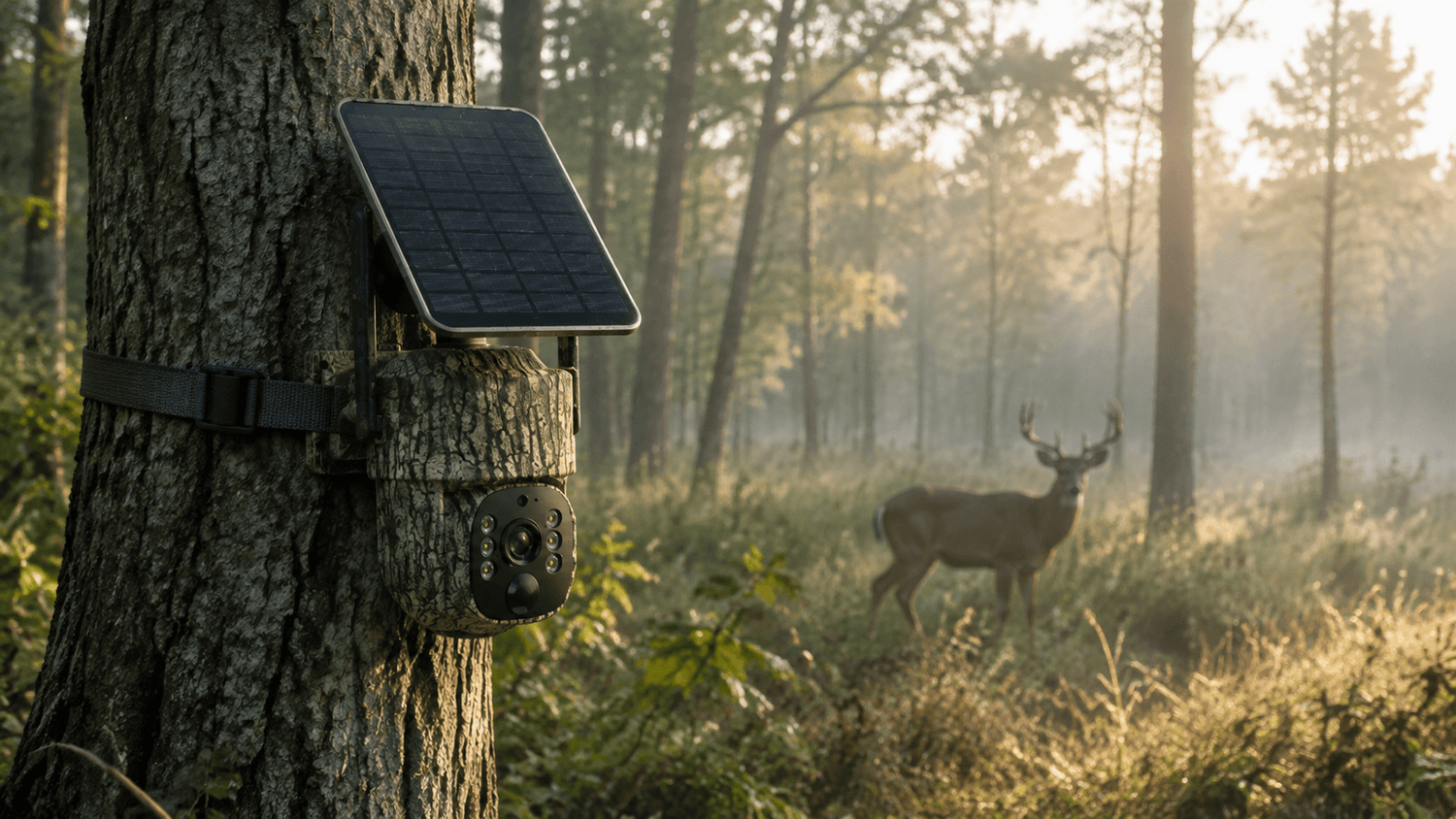
If you want to monitor wildlife, scout hunting areas, or keep an eye on remote outdoor locations without constantly visiting your camera, a cellular trail camera can be one of the most convenient tools available.
Unlike traditional trail cameras that store photos and videos on an SD card, cellular trail cameras use a mobile network to transmit captured images and videos directly to your phone or connected app. This means you can check your camera remotely without physically retrieving the memory card.
With more options available in 2026, choosing the right model can be confusing. Should you choose a 4G LTE trail camera? Is solar power worth it? How important are night vision, detection range, image resolution, and app connectivity?
This guide explains everything you need to know before buying a cellular trail camera in 2026, including the most important features, cellular connectivity, power options, image quality, and real-world use cases.
What Is a Cellular Trail Camera?
A cellular trail camera is a wildlife or hunting camera equipped with a cellular modem and SIM card. When the camera detects movement, it can capture photos or videos and send them through a mobile network to your smartphone or cloud-connected application.
Traditional trail cameras generally require you to visit the camera to retrieve the SD card. A cellular trail camera eliminates much of this manual work by allowing remote access.
In simple terms:
Traditional trail camera → Capture → Store on SD card → Visit camera → View files
Cellular trail camera → Capture → Send over cellular network → View remotely
This makes cellular game cameras particularly useful for hunting, wildlife research, property monitoring, and locations that are difficult or inconvenient to access frequently.
How Do Cellular Trail Cameras Work?
Most modern cellular trail cameras use a combination of several key components:
- Camera sensor – Captures photos and videos when movement is detected.
- PIR motion sensor – Detects heat and movement from animals or people.
- Cellular modem – Connects the camera to a compatible mobile network.
- SIM card or cellular data plan – Provides the network connection.
- Battery or solar power system – Keeps the camera operating outdoors.
- Mobile app or cloud platform – Allows you to receive and manage images remotely.
When an animal enters the detection zone, the PIR sensor activates the camera. The camera captures the selected image or video and then uses the cellular connection to transmit the data.
This remote transmission is one of the biggest advantages of a 4G LTE trail camera.

Why Choose a Cellular Trail Camera in 2026?
The biggest advantage of a cellular trail camera is convenience.
You don't have to travel to the camera every time you want to check your property or see whether wildlife has passed through the area.
1. Remote Monitoring
A cellular hunting camera allows you to monitor activity from almost anywhere with compatible cellular coverage.
This can be especially useful when cameras are installed deep in the woods, on large properties, or in locations that are difficult to reach regularly.
2. Faster Wildlife Scouting
For hunters, receiving images remotely can significantly reduce unnecessary trips into the hunting area.
Instead of checking an SD card manually, you can review recent activity remotely and use the information to understand animal movement patterns.
3. No Wi-Fi Required
One major difference between cellular and Wi-Fi trail cameras is connectivity.
Wi-Fi cameras depend on an available Wi-Fi network or nearby hotspot. Cellular trail cameras connect through mobile networks instead.
For remote hunting locations without traditional internet access, a 4G cellular trail camera can be a much more practical solution.
4. Better Remote Property Monitoring
Cellular trail cameras aren't limited to hunting.
They can also be used to monitor cabins, farms, fields, campsites, storage areas, and other remote properties where regular internet service isn't available.
Key Features to Look for in the Best Cellular Trail Camera
Not every cellular trail camera offers the same performance. Before buying one, consider the following features.
1. 4G LTE Connectivity
In 2026, 4G LTE connectivity is one of the most important specifications to check.
A reliable LTE connection allows the camera to transmit photos and other data without requiring Wi-Fi.
However, cellular performance depends heavily on network coverage at the installation location. Before purchasing, check whether the camera and its supported SIM or cellular service work in your target area.
2. Image and Video Quality
Image resolution is another important factor.
A high-resolution wildlife camera can capture more detail, which can help you identify animals and distinguish important features such as antlers, markings, or body characteristics.
When comparing cameras, don't look only at the advertised megapixel number. Consider the complete imaging system, including:
- Image sensor quality
- Lens design
- Daytime image performance
- Night vision performance
- Video resolution
- Image processing
For wildlife monitoring, a balanced combination of resolution and reliable triggering is often more useful than simply choosing the highest advertised megapixel number.
3. Night Vision
Many animals are most active during dawn, dusk, and nighttime, making night vision an essential feature for a hunting camera.
Modern trail cameras commonly use infrared LEDs to illuminate the scene without requiring visible light.
When comparing night vision cameras, consider:
- Nighttime image clarity
- Infrared illumination range
- Motion detection performance
- Whether the camera produces visible flash
- How well subjects are exposed at different distances
If you're monitoring wildlife at night, good infrared performance can make a major difference.
4. Detection Speed and Trigger Performance
A camera can have excellent image quality but still miss animals if its motion detection and trigger system are slow.
Look for a trail camera with a responsive PIR sensor and fast trigger speed.
Detection distance is also important. A longer detection range can help capture animals before they move out of the camera's field of view.
However, the actual detection range depends on environmental conditions, animal size, temperature, and installation height.
5. Solar Power and Battery Life
For remote installations, power is one of the biggest considerations.
A solar trail camera can reduce the need to regularly replace or recharge batteries, especially when the camera receives sufficient sunlight.
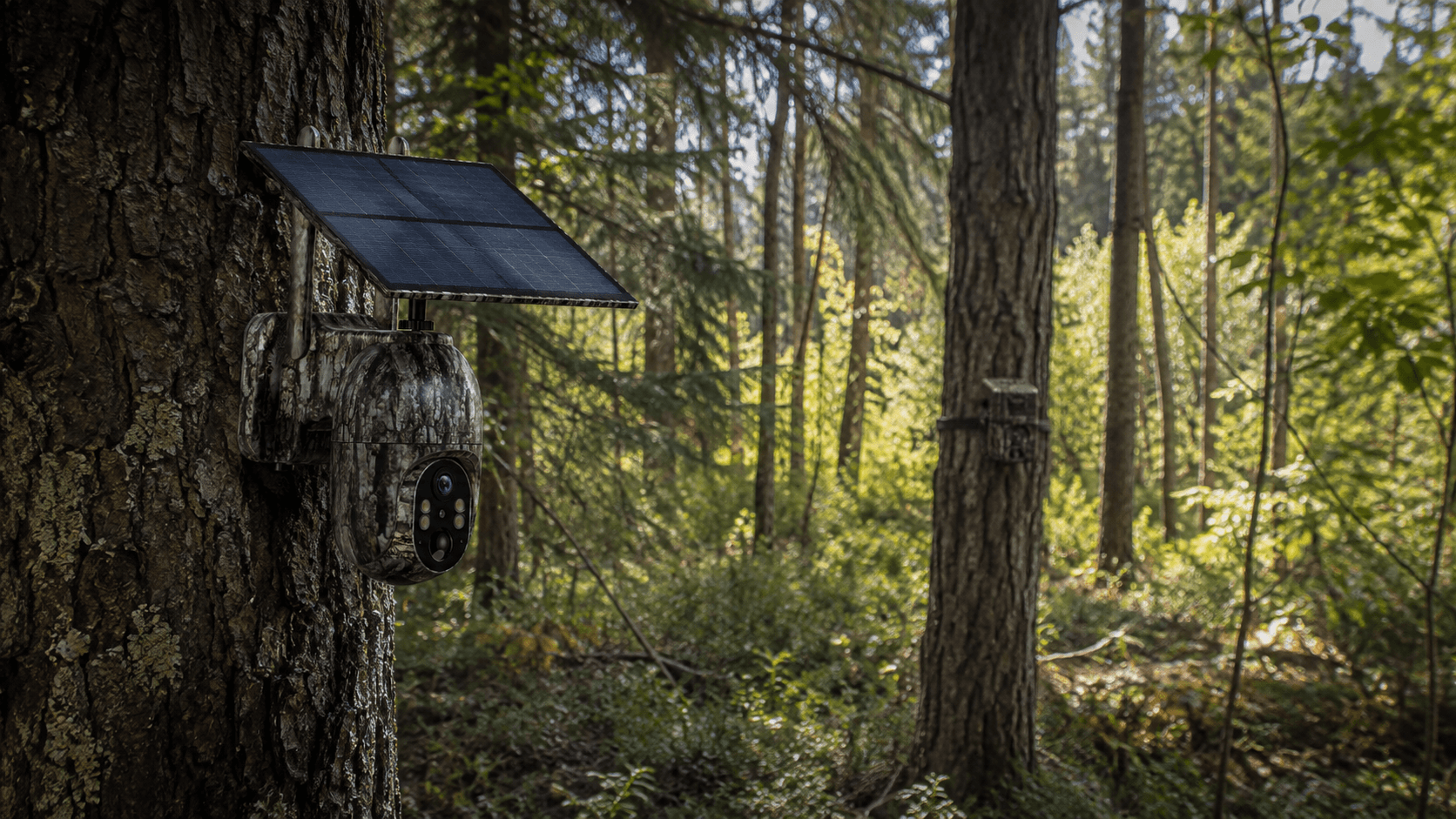
Solar-powered cellular cameras are particularly useful for long-term deployments because the solar panel can continuously replenish the internal battery under suitable conditions.
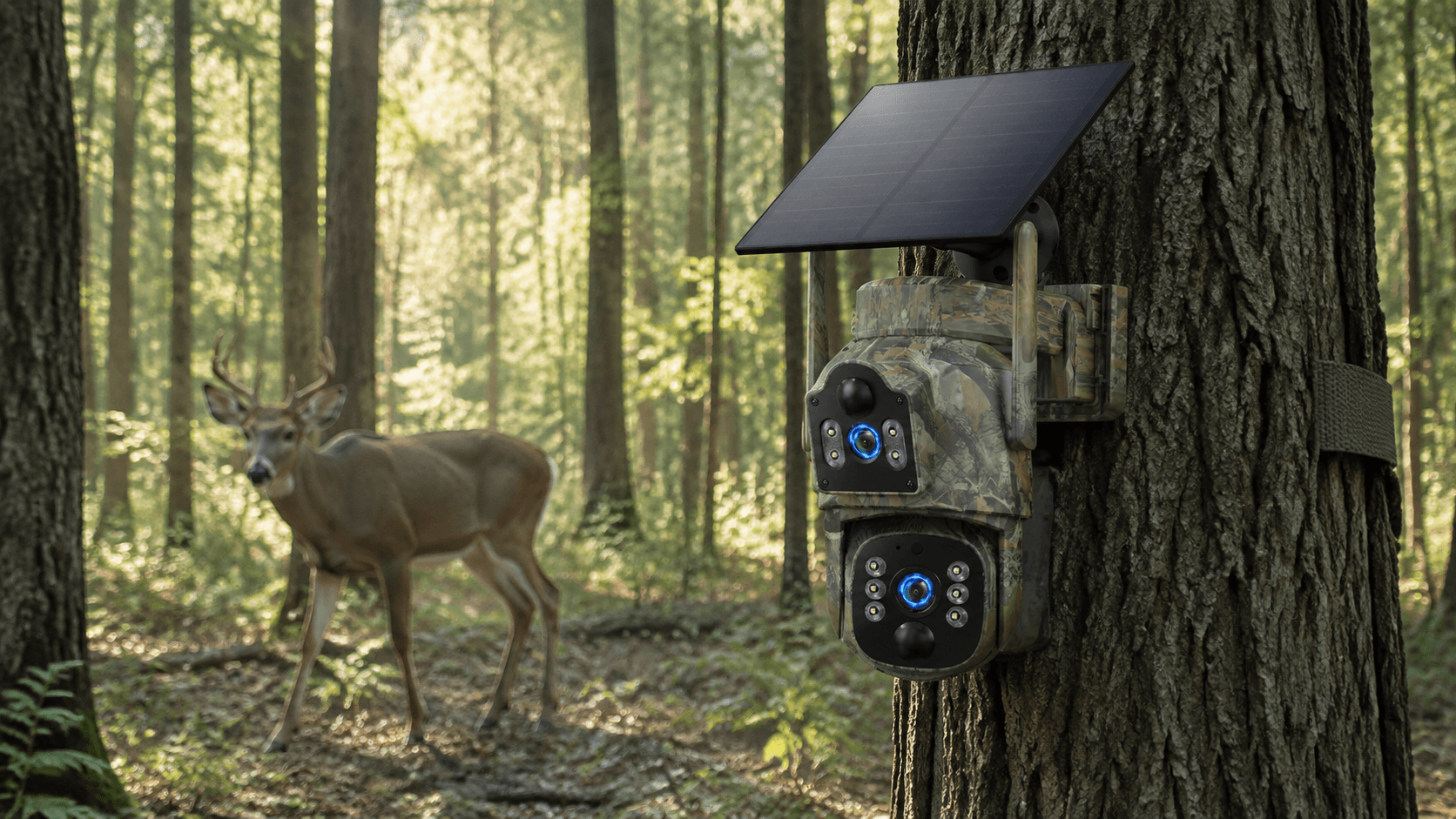
For example, the Voopeak TC32 combines cellular connectivity with a solar-powered design, making it suitable for outdoor monitoring where frequent maintenance isn't convenient.
The ideal power setup depends on your location, sunlight conditions, weather, and how frequently the camera is triggered.

Voopeak TC32: A Practical Cellular Trail Camera Example
When looking at the features that matter in a cellular trail camera, the Voopeak TC32 provides a useful example of how several important technologies can work together.
The TC32 is designed for outdoor monitoring with 4G cellular connectivity and solar power, allowing users to monitor activity in locations where traditional Wi-Fi may not be available.
Its cellular design makes it suitable for applications such as:
- Hunting and game scouting
- Wildlife observation
- Farm monitoring
- Remote property surveillance
- Outdoor activity monitoring
The camera's solar-powered design can also help reduce the maintenance required for long-term outdoor installations.
For users comparing a 4G trail camera vs. Wi-Fi trail camera, the TC32 demonstrates why cellular connectivity can be particularly valuable when the camera is installed away from a home or other reliable Wi-Fi source.

Cellular Trail Camera vs. Wi-Fi Trail Camera
The right choice depends largely on where you plan to install the camera.
| Feature | Cellular Trail Camera | Wi-Fi Trail Camera |
|---|---|---|
| Remote locations | Excellent | Limited |
| Requires Wi-Fi | No | Yes |
| Cellular data plan | Usually required | No |
| Remote image transmission | Yes | No |
| Hunting applications | Excellent | Good near Wi-Fi |
| Large properties | Excellent | Depends on Wi-Fi coverage |
| Setup flexibility | High | More limited |
If your camera will be installed deep in the woods, on farmland, or at a remote hunting property, a cellular model is generally more flexible.
Do Cellular Trail Cameras Need a SIM Card?
Most cellular trail cameras require a SIM card or an integrated cellular service plan to communicate with the mobile network.
The camera uses the cellular connection to transmit captured images and other information.
Before buying a cellular game camera, always check:
- Supported cellular networks
- SIM compatibility
- Data plan requirements
- Coverage in your installation area
- Whether the camera requires a proprietary service
- Monthly or annual cellular costs
This is especially important when purchasing a trail camera for remote locations.
A camera may have excellent hardware specifications, but poor network coverage can still prevent reliable image transmission.
Are Cellular Trail Cameras Worth It?
For many hunters and wildlife enthusiasts, the answer is yes.
A cellular trail camera costs more than some basic non-cellular models, and cellular service may add an ongoing expense. However, the ability to receive images remotely can save significant time and travel.
Cellular trail cameras are particularly valuable when:
- Your camera is far from home
- You monitor multiple hunting locations
- You want frequent wildlife updates
- The property does not have Wi-Fi
- You want to reduce unnecessary trips into the field
- You need remote property monitoring
If you only check your camera occasionally and don't mind retrieving an SD card, a traditional trail camera may be a more economical option.
How to Choose the Best Cellular Trail Camera in 2026
Before making your decision, use this checklist:
Connectivity
Choose a camera with reliable cellular connectivity and compatible network support.
Image Quality
Look for strong daytime and nighttime image performance rather than focusing only on megapixels.
Detection
Consider trigger speed, PIR sensitivity, and practical detection range.
Power
For remote long-term monitoring, solar charging can significantly reduce maintenance.
App and Remote Access
A simple mobile app makes it easier to review and manage captured images.
Weather Resistance
Outdoor trail cameras should be designed to withstand rain, dust, temperature changes, and other environmental conditions.
Data Costs
Remember to calculate the cost of cellular service when comparing different models.
Installation
Consider mounting height, viewing angle, sunlight exposure, cellular signal, and animal movement patterns before installing the camera.

Best Uses for Cellular Trail Cameras
Cellular trail cameras have applications beyond traditional hunting.
Hunting and Game Scouting
Hunters can remotely monitor deer, elk, turkey, and other wildlife without repeatedly entering the hunting area.
Wildlife Observation
Researchers and wildlife enthusiasts can observe animal behavior while minimizing human interference.
Farm and Ranch Monitoring
Cellular cameras can help monitor large properties, livestock areas, gates, fields, and remote structures.
Remote Property Monitoring
Cabins, campsites, storage areas, and other locations without Wi-Fi can benefit from cellular connectivity.
FAQ
What is the best cellular trail camera?
The best cellular trail camera depends on your needs, including network coverage, image quality, detection performance, power source, app features, and cellular costs. For remote outdoor monitoring, a 4G LTE camera with solar power can provide a strong combination of connectivity and convenience.
Do cellular trail cameras work without Wi-Fi?
Yes. Cellular trail cameras use a compatible mobile network rather than relying on Wi-Fi. However, they generally require cellular service and sufficient network coverage.
Do cellular trail cameras require a monthly fee?
Many cellular trail cameras require a cellular data plan, although the exact pricing and service structure varies by camera and provider.
Are cellular trail cameras good for hunting?
Yes. Cellular hunting cameras are particularly useful because they can transmit wildlife photos remotely, allowing hunters to monitor activity without frequently visiting the camera location.
How far can a cellular trail camera transmit photos?
Unlike Wi-Fi trail cameras, cellular trail cameras don't have a simple fixed transmission distance. Their effective range depends primarily on cellular network coverage at the camera's location.
Are solar cellular trail cameras worth buying?
Solar cellular trail cameras can be a good choice for long-term outdoor monitoring because solar charging can reduce the frequency of battery replacement or manual charging. Performance depends on sunlight, weather, camera usage, and battery capacity.
Final Thoughts
Choosing the best cellular trail camera in 2026 is about more than simply selecting the camera with the highest resolution.
The most important factors are reliable cellular connectivity, image quality, motion detection, night vision, power management, weather resistance, and overall ease of use.
For remote hunting and wildlife monitoring, a 4G LTE cellular trail camera can provide a major advantage over traditional cameras because you can receive images without physically visiting the camera.
If you need a long-term outdoor monitoring solution, features such as solar power and remote app access can make the system even more convenient.
By evaluating your location, cellular coverage, monitoring goals, power requirements, and data costs before purchasing, you can choose a cellular trail camera that fits your specific needs and provides more reliable remote wildlife monitoring throughout 2026.

Leave a comment
This site is protected by hCaptcha and the hCaptcha Privacy Policy and Terms of Service apply.