Cellular Trail Camera

Trail Camera Buying Guide: 12 Things to Know Before You Buy

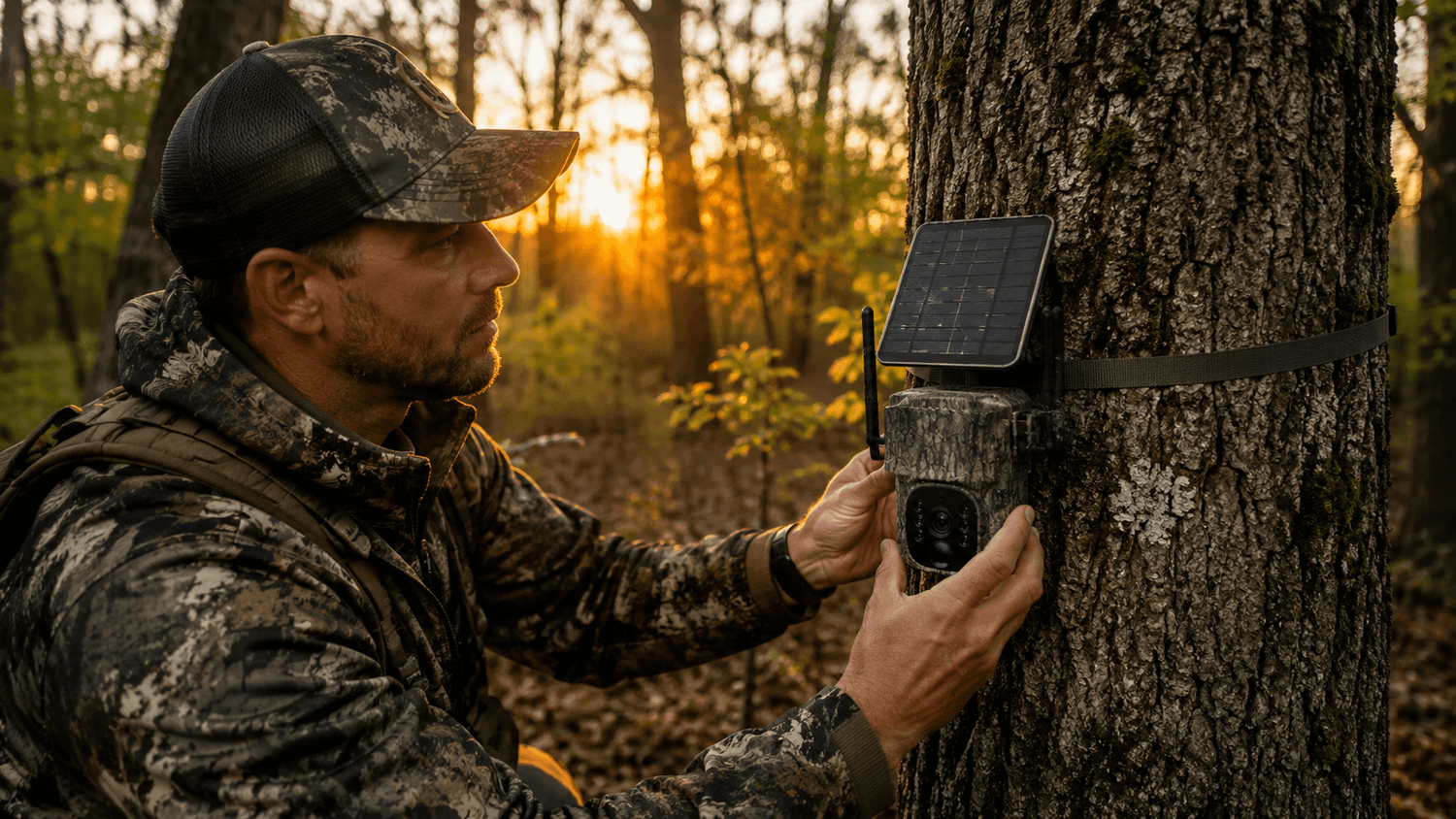
Hunter installing a Voopeak trail camera on a tree in a forest during sunrise

Whether you're monitoring wildlife, scouting deer before hunting season, protecting remote property, or simply capturing amazing outdoor moments, choosing the right trail camera can make all the difference.

Today's market offers hundreds of options—from basic battery-powered models to advanced 4G cellular trail cameras with live remote access. While more features often sound appealing, not every camera fits every situation.

This trail camera buying guide explains the 12 most important factors to consider before purchasing, helping you choose the best trail camera for your needs while avoiding expensive mistakes.

1. Know How You'll Use Your Trail Camera

Before comparing specifications, ask yourself a simple question:

What is the camera primarily for?

Common uses include:

  • Deer scouting
  • Wildlife photography
  • Hunting preparation
  • Farm monitoring
  • Cabin security
  • Property surveillance

Different purposes require different features.

For example:

  • Wildlife photographers often prioritize high-resolution images.
  • Hunters may value fast trigger speed.
  • Remote landowners benefit from a cellular trail camera that sends photos directly to their phone.

Understanding your goal helps narrow your options quickly.

2. Don't Be Fooled by Megapixels Alone

Many buyers assume that a higher megapixel number automatically means better image quality.

That's not always true.

A great trail camera combines:

  • High-quality image sensor
  • Sharp lens
  • Good image processing
  • Accurate exposure
  • Low image noise

Instead of chasing the biggest number, look for cameras that produce clear, detailed photos in both daylight and nighttime conditions.

Voopeak cameras combine advanced image processing with high-resolution sensors to deliver crisp wildlife photos in real outdoor environments.

3. Night Vision Matters More Than You Think

Most wildlife activity happens after sunset.

A camera with poor night vision may completely miss important moments.

Look for features such as:

  • No Glow Infrared LEDs
  • Black Infrared technology
  • Long night vision distance
  • Even infrared illumination
  • Minimal motion blur

A quality night vision trail camera captures sharp images without startling animals.

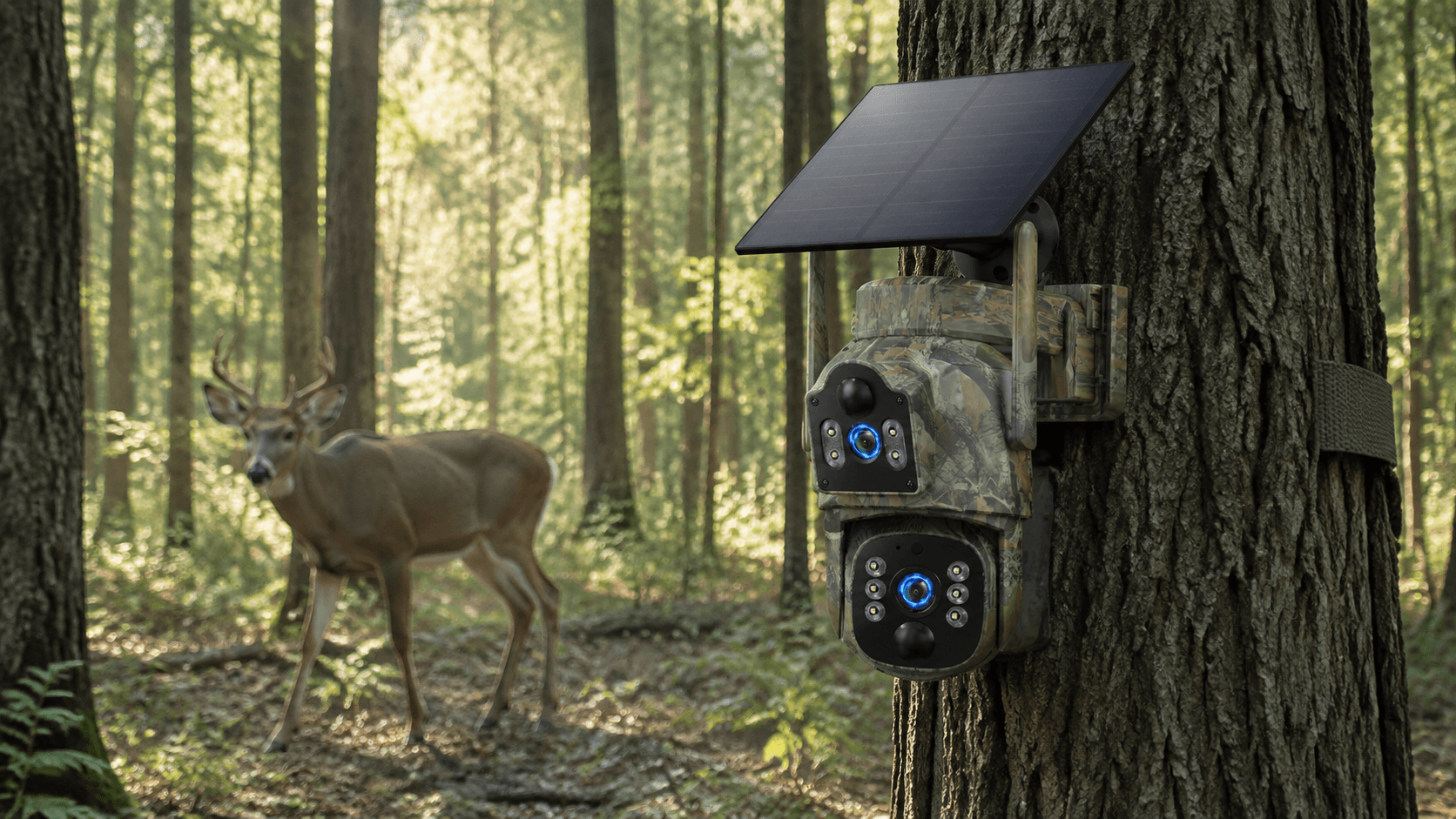
Trail camera capturing a deer at night using infrared night vision

4. Choose the Right Trigger Speed

Trigger speed determines how quickly the camera captures an image after motion is detected.

For fast-moving animals like deer, wild boar, foxes, or coyotes, every fraction of a second matters.

A slow camera may only capture an empty frame after the animal has already passed.

Generally:

  • Under 0.3 seconds = Excellent
  • 0.3–0.5 seconds = Very Good
  • Over 1 second = May miss wildlife

Fast trigger speeds increase your chances of capturing the perfect shot.

5. Detection Range Should Match Your Environment

Detection range tells you how far away the camera can detect movement.

Longer isn't always better.

For narrow game trails, an extremely wide detection range may create unnecessary photos.

For open fields or food plots, a longer detection distance is beneficial.

Consider where you'll mount the camera before deciding.

6. Battery Life Can Save Time and Money

Nobody enjoys hiking deep into the woods every week just to replace batteries.

Battery performance depends on:

  • Temperature
  • Number of photos
  • Video recording
  • Night activity
  • Cellular transmission

If you plan to monitor remote areas for extended periods, a solar trail camera can significantly reduce maintenance.

Models like the Voopeak TC32 combine solar charging with a rechargeable battery, allowing longer deployment while reducing battery waste.

7. Decide Between WiFi and Cellular Connectivity

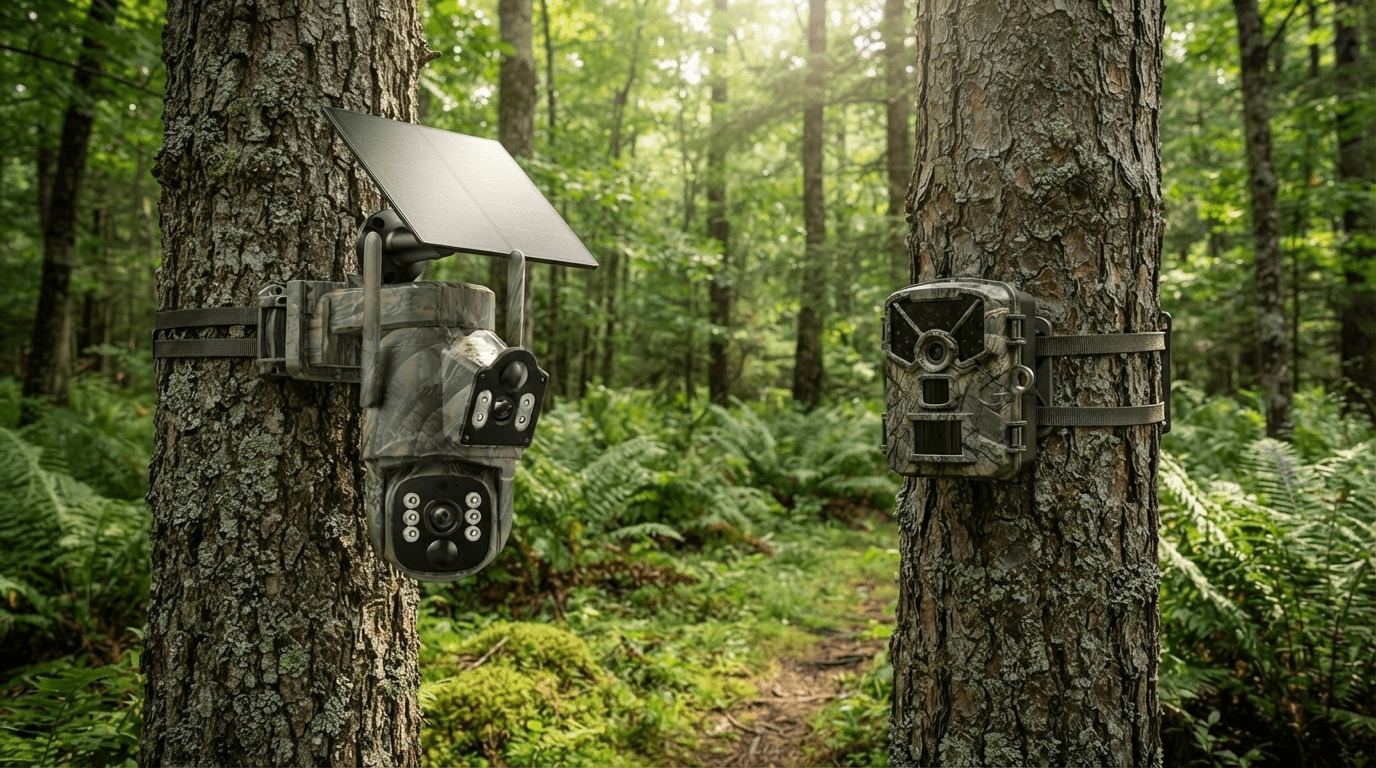
Comparison of a WiFi trail camera and a 4G cellular trail camera installed in a forest

One of the biggest decisions is whether you need a standard trail camera, a WiFi trail camera, or a cellular trail camera.

Standard Trail Camera

  • Lowest cost
  • Requires removing the SD card to view photos
  • Great for occasional use

WiFi Trail Camera

  • Connect directly with your smartphone when you're nearby
  • Quick photo downloads without removing the camera
  • Ideal for local scouting

Cellular (4G LTE) Trail Camera

  • Sends photos directly to your phone
  • Remote control through an app
  • Perfect for hunting land, farms, ranches, and cabins
  • Eliminates unnecessary trips that may disturb wildlife

If you monitor remote locations frequently, a 4G cellular trail camera offers unmatched convenience. Models like the Voopeak TC39 provide reliable remote image transmission, allowing you to stay updated without visiting the site.

8. Video Quality Is Just as Important

Photos tell part of the story, but videos reveal animal behavior that still images cannot.

Look for features such as:

  • 2K or 4K video recording
  • Clear audio recording
  • Smooth frame rates
  • Adjustable recording length
  • Efficient video compression

High-quality video helps identify travel routes, feeding habits, and wildlife activity patterns more accurately.

9. Weather Resistance Is Essential

Trail cameras spend months outdoors, often exposed to harsh weather.

A reliable camera should withstand:

  • Heavy rain
  • Snow
  • Dust
  • Heat
  • Freezing temperatures
  • Strong winds

Choose a model with a durable housing and an IP66 or higher waterproof rating to ensure dependable performance year-round.

Waterproof Voopeak trail camera operating during heavy rainfall in a forest

10. Storage Capacity Matters

Trail cameras can capture thousands of images in a short period, especially in high-traffic areas.

Before purchasing, check:

  • Maximum SD card capacity supported
  • Loop recording options
  • File management features
  • Photo and video storage efficiency

Using a high-speed SD card with ample capacity reduces the need for frequent maintenance and helps prevent missed wildlife activity.

11. Easy Setup Saves Time

A trail camera should be simple to install and configure.

Look for features like:

  • Intuitive menu system
  • Adjustable sensitivity settings
  • Flexible mounting options
  • Quick pairing with mobile apps
  • Easy battery replacement

The easier a camera is to deploy, the faster you can start capturing wildlife.

12. Balance Price and Long-Term Value

The cheapest trail camera isn't always the best value.

Instead of focusing only on the purchase price, consider:

  • Image quality
  • Reliability
  • Battery life
  • Warranty
  • Software updates
  • Customer support
  • Overall durability

A well-built camera may cost more initially but often delivers better performance and lasts for many hunting seasons, making it a smarter long-term investment.

Which Voopeak Trail Camera Is Right for You?

Here are a few popular options depending on your needs:

Model Best For Key Features
Voopeak TC22 Wildlife photography 60MP photos, 4K video, WiFi connectivity, Blacklight Night Vision
Voopeak TC37 Everyday hunting 60MP images, fast trigger speed, excellent battery life
Voopeak TC39 Remote monitoring 4G LTE connectivity, dual lenses, solar charging, real-time image transmission
Voopeak TC32 Long-term outdoor deployment Solar-powered, 360° PTZ, live view, rechargeable battery

No matter which model you choose, selecting features that match your environment and monitoring goals will provide the best overall experience.

Hunter reviewing wildlife photos captured by a Voopeak trail camera during deer seasonConclusion

Buying a trail camera is about much more than choosing the highest resolution or the lowest price. By understanding these 12 key factors—including image quality, night vision, trigger speed, detection range, battery life, connectivity, weather resistance, and ease of use—you can confidently choose a camera that fits your needs.

Whether you're tracking deer, observing wildlife, securing remote property, or exploring nature, the right trail camera will deliver clearer images, better reliability, and a more rewarding outdoor experience.

With dependable performance, advanced imaging technology, and innovative features like solar charging and 4G connectivity, Voopeak trail cameras are designed to help you capture every important moment in the wild.

FAQ

What is the most important feature when buying a trail camera?

Image quality, trigger speed, and night vision are the three most important features. They determine how accurately the camera captures wildlife in different conditions.

Is a cellular trail camera worth it?

Yes. If you monitor remote locations or want real-time updates without visiting the camera, a cellular trail camera can save time and reduce disturbance to wildlife.

Are solar trail cameras better than battery-powered models?

For long-term deployments, solar trail cameras reduce maintenance, minimize battery replacements, and are more environmentally friendly.

How many megapixels do I need?

For most users, image quality is more important than megapixels alone. A camera with a high-quality sensor and image processing will outperform one with a higher advertised megapixel count but inferior optics.

Which trail camera is best for beginners?

A WiFi trail camera or an easy-to-use model like the Voopeak TC22 is an excellent choice for beginners thanks to its simple setup and high-quality performance.

Reading next

Solar trail camera with solar panel and battery trail camera mounted on trees in a realistic forest environment showing the difference between two power solutions.

Leave a comment

This site is protected by hCaptcha and the hCaptcha Privacy Policy and Terms of Service apply.