
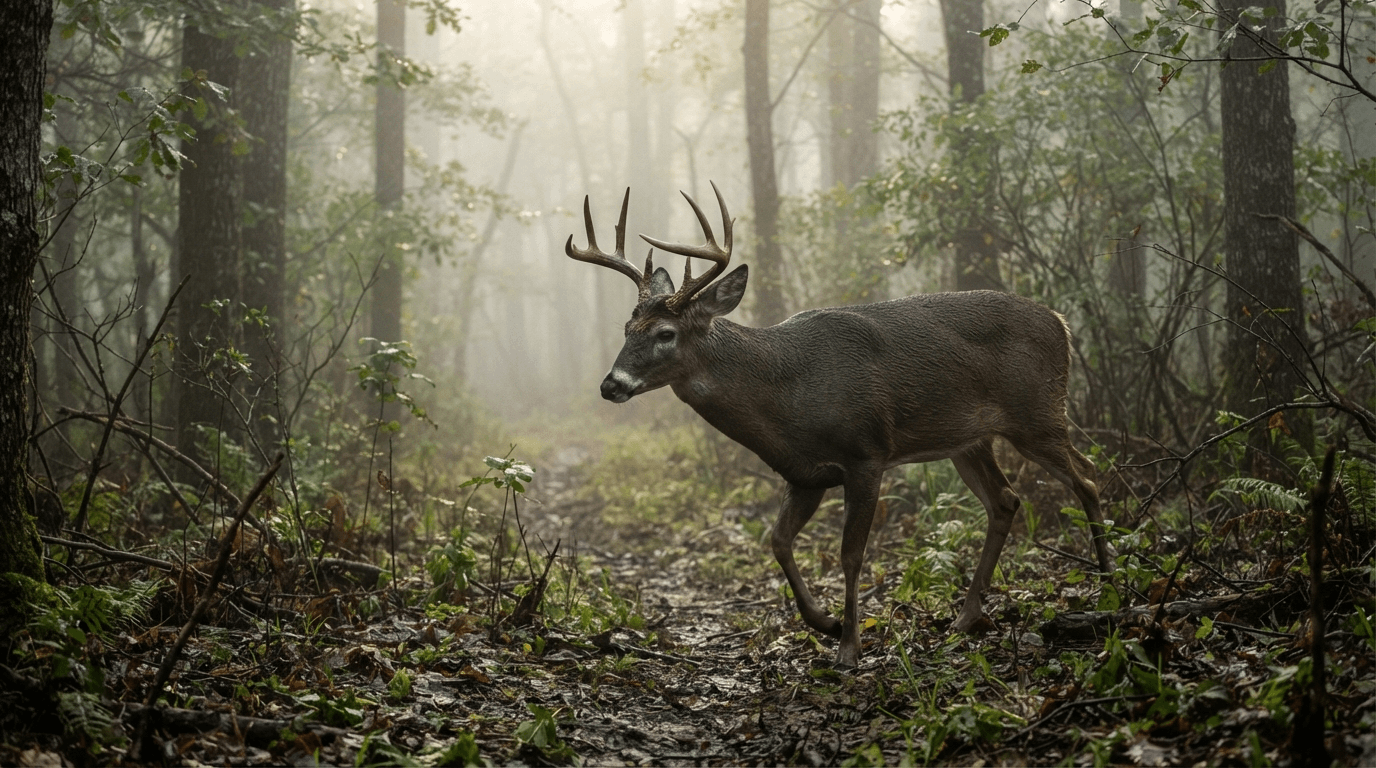
Die Hirschjagd hat sich in den letzten zehn Jahren dramatisch weiterentwickelt, und ein Werkzeug ist für moderne Jäger unverzichtbar geworden: die Wildkamera. Egal, ob Sie reife Böcke auskundschaften, Futterplätze überwachen oder saisonale Bewegungen verfolgen, eine hochwertige Wildkamera für die Hirschjagd liefert wertvolle Einblicke, ohne die Wildtiere zu stören.
Doch bei so vielen verfügbaren Optionen – einschließlich Mobilfunk-Wildkameras, WLAN-Wildkameras, Solar-Wildkameras und traditionellen Wildkameras – kann die Wahl des besten Modells überwältigend sein.
Dieser Leitfaden erklärt alles, was Sie vor dem Kauf einer Wildkamera für die Hirschjagd im Jahr 2026 wissen müssen, einschließlich wesentlicher Funktionen, häufiger Fehler und warum moderne Technologien wie 4G-Konnektivität, KI-Bewegungserkennung und Solarenergie die Wildtierüberwachung verändern.
Warum jeder Hirschjäger eine Wildkamera braucht
Eine Wildkamera ist viel mehr als ein Gadget – sie ist ein leistungsstarkes Beobachtungswerkzeug, das Jägern hilft, das Tierverhalten über die Zeit zu verstehen. Anstatt sich auf Vermutungen zu verlassen, können Sie konsistente Daten über die Hirschaktivität sammeln und gleichzeitig menschlichen Geruch und Störungen minimieren.
Wildkameras werden häufig verwendet, um:
- Wildwechsel und Einstände zu überwachen
- Reife Böcke vor der Jagdsaison zu identifizieren
- Fressgewohnheiten und Wanderwege zu verfolgen
- Wildtiere ohne Störung des Lebensraums zu beobachten
- Die Platzierung des Hochsitzes basierend auf echten Bewegungsdaten zu verbessern
Durch die Überprüfung von Fotos und Videos über mehrere Wochen können Jäger fundiertere Entscheidungen treffen und ihre Erfolgschancen erhöhen.
Was macht die beste Wildkamera aus?
Beim Vergleich von Jagdkameras konzentrieren Sie sich auf Funktionen, die sich direkt auf Bildqualität, Zuverlässigkeit und Benutzerfreundlichkeit auswirken.
1. Hohe Bildauflösung
Eine höhere Auflösung hilft, klarere Details wie Geweihgröße, Gesichtsmerkmale und Fellzustand zu erfassen. Suchen Sie nach Kameras, die scharfe Tages- und Nachtbilder produzieren können.
2. Schnelle Auslösegeschwindigkeit
Eine Auslösegeschwindigkeit von unter 0,3 Sekunden hilft sicherzustellen, dass sich schnell bewegende Hirsche erfasst werden, bevor sie den Bildbereich verlassen.
3. Große Erfassungsreichweite
Eine effektive Erfassungsreichweite ermöglicht es der Kamera, breitere Wildwechsel und offene Felder zu überwachen, was die Wahrscheinlichkeit erhöht, Wildtiere zu erfassen.
4. Breiter Erfassungswinkel
Ein breiterer Erfassungswinkel bedeutet, dass die Kamera Bewegungen früher erkennen kann, was umfassendere Aufnahmen von vorbeiziehenden Tieren liefert.
5. Zuverlässige Nachtsicht
Nachts sind Hirsche oft am aktivsten. Eine hochwertige Infrarot-Nachtsicht liefert auch nach Sonnenuntergang klare Bilder und minimiert gleichzeitig Störungen für die Wildtiere.
Mobilfunk- vs. WLAN-Wildkameras
Eine der größten Entscheidungen ist die Wahl zwischen einer Mobilfunk-Wildkamera und einer WLAN-Wildkamera.
Mobilfunk-Wildkameras
Vorteile:
- Senden Fotos sofort über 4G LTE
- Fernzugriff ohne Besuch der Kamera
- Ideal für große Jagdreviere
- Reduzieren menschlichen Geruch in Jagdgebieten
Am besten für:
- Ernsthafte Jäger
- Landbesitzer in abgelegenen Gebieten
- Langfristige Wildtierüberwachung
WLAN-Wildkameras
Vorteile:
- Kein monatlicher Datentarif
- Schnelle lokale Downloads
- Geringere Gesamtkosten
- Ideal für nahegelegene Standorte
Am besten für:
- Privates Jagdland
- Kurzstrecken-Scouting
- Preisbewusste Jäger
Warum Solar-Wildkameras immer beliebter werden
Der Batteriewechsel ist eine der größten Frustrationen für Jäger.
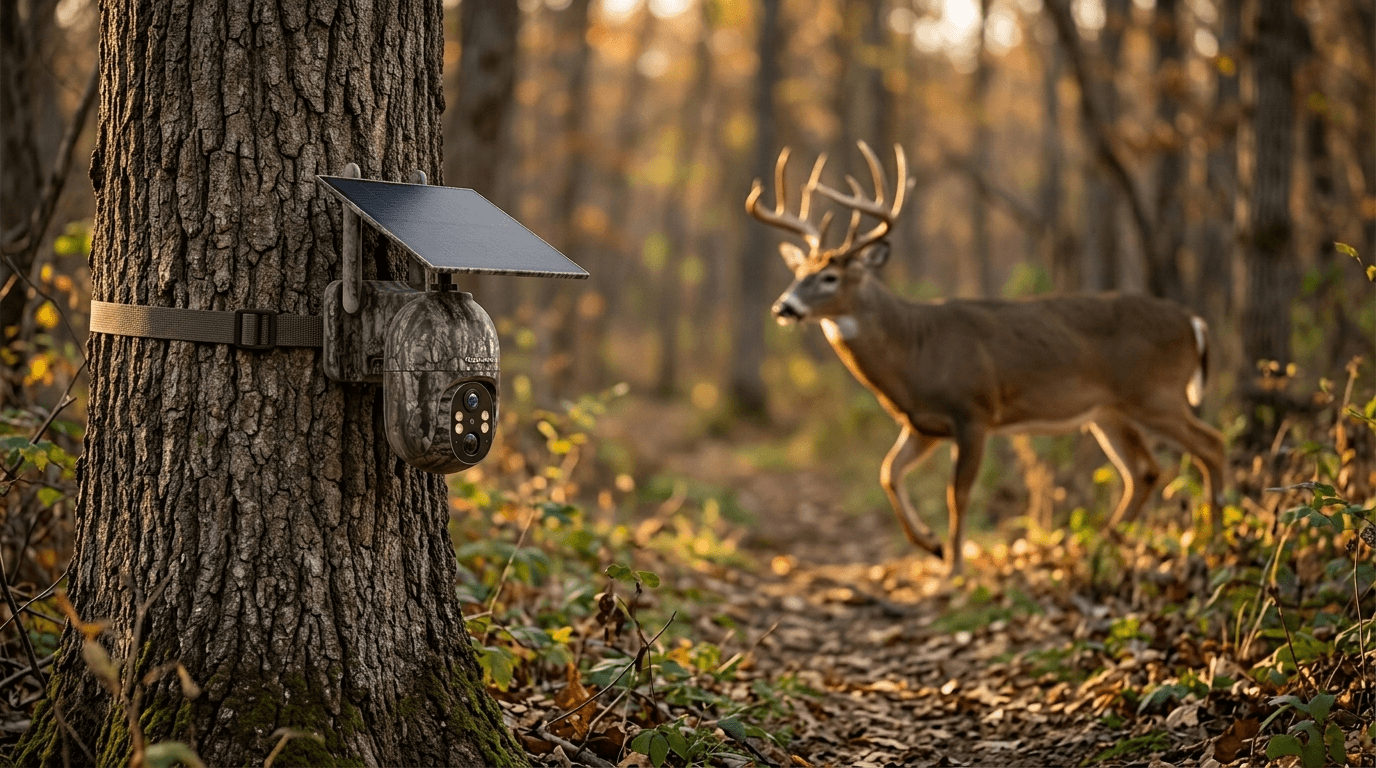
Moderne Solar-Wildkameras reduzieren den Wartungsaufwand erheblich und ermöglichen einen längeren Feldeinsatz.
Vorteile sind:
- Längere Betriebszeit
- Weniger Besuche vor Ort
- Geringere langfristige Kosten
- Umweltfreundliche Stromversorgung
Für Jäger, die abgelegene Gebiete überwachen, bietet Solarenergie über die gesamte Saison hinweg mehr Komfort und Zuverlässigkeit.

Nachtsicht verstehen
Die meisten Hirschbewegungen finden bei schlechten Lichtverhältnissen statt, was die Nachtsicht zu einem der wichtigsten Merkmale macht.
Es gibt zwei gängige Infrarot-Technologien:
Schwarzblitz (No Glow)
- Für Wildtiere nahezu unsichtbar
- Ideal für vorsichtige, reife Böcke
- Maximale Tarnung
Leichtes Glimmen (Low Glow)
- Leicht hellere Beleuchtung
- Längere Nachtreichweite
- Hervorragende Bildklarheit
Jäger, die Wert auf minimale Störungen legen, bevorzugen oft die Schwarzblitz-Technologie.

Die richtige Kamera für Ihren Jagdstil wählen
Jäger auf öffentlichem Land
Priorisieren Sie:
- Kompaktes Design
- Schnelle Auslösegeschwindigkeit
- Schwarzblitz-Nachtsicht
- Lange Batterielebensdauer
Grundbesitzer im Privatbesitz
Berücksichtigen Sie:
- Mobilfunkkonnektivität
- Solarladung
- Fernverwaltung
- Hochauflösendes Video
Tierwelt-Enthusiasten
Konzentrieren Sie sich auf:
- Hervorragende Tagesbildqualität
- Zuverlässige Nachtsicht
- Lange Aufnahmezeit
- Leiser Betrieb
Warum Voopeak Wildkameras herausragen
Voopeak Wildkameras sind für Jäger und Wildtierliebhaber konzipiert, die eine zuverlässige Leistung in anspruchsvollen Außenumgebungen erwarten.
Wesentliche Vorteile sind:
- Hochauflösende Foto- und Videoaufnahme
- Schnelle Bewegungserkennung
- Zuverlässige Infrarot-Nachtsicht
- Wetterfeste Konstruktion
- Solarbetriebene und Mobilfunk-Optionen bei ausgewählten Modellen
- Einfache Einrichtung und intuitive Bedienung
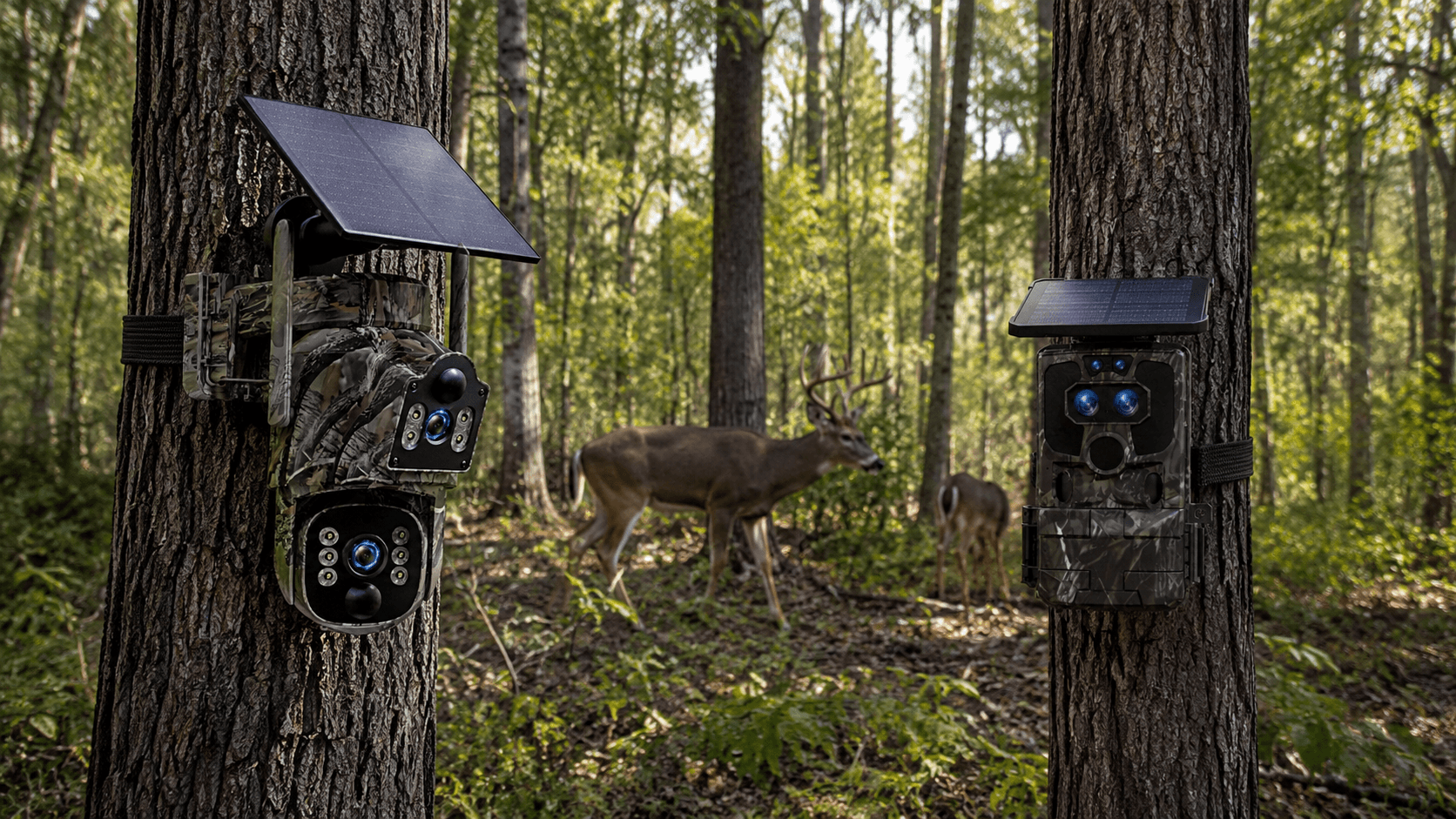
Für Jäger, die eine fortschrittliche Fernüberwachung suchen, kombinieren Modelle wie die Voopeak TC39 4G LTE Solar-Dual-Lens-Wildkamera Mobilfunkkonnektivität, Solarladung und Dual-Lens-Bildgebung für effizientes Scouting mit weniger Ausflügen ins Feld.

Häufige Fehler beim Kauf einer Wildkamera
Vermeiden Sie diese häufigen Fehler:
- Wahl der Bildauflösung über die Auslösegeschwindigkeit
- Ignorieren der Akkuleistung
- Kameras zu hoch oder zu niedrig montieren
- Kameras in direktem Sonnenlicht platzieren
- Vergessen, die Erfassungswinkel zu testen
- Verwendung des falschen Nachtsichtmodus
- Kameras zu häufig besuchen und menschlichen Geruch hinterlassen
Die richtige Platzierung und Konfiguration sind oft genauso wichtig wie die Kameraspezifikationen.
FAQ
Was ist die beste Wildkamera für die Hirschjagd?
Die beste Wildkamera bietet eine schnelle Auslösegeschwindigkeit, zuverlässige Nachtsicht, langlebige Wetterbeständigkeit und eine Bildqualität, die zur Identifizierung von Hirschbewegungen geeignet ist.
Lohnen sich Mobilfunk-Wildkameras?
Ja. Sie ermöglichen es Jägern, Fotos aus der Ferne zu empfangen, wodurch Störungen reduziert und die Scouting-Effizienz verbessert werden.
Verschrecken Wildkameras Hirsche?
Moderne Schwarzblitzkameras emittieren wenig bis gar kein sichtbares Licht, wodurch die Wahrscheinlichkeit, Wildtiere zu stören, erheblich reduziert wird.
Wie hoch sollte eine Wildkamera montiert werden?
Positionieren Sie die Kamera im Allgemeinen auf Brusthöhe und neigen Sie sie leicht nach unten in Richtung der erwarteten Hirschbewegungen, um die besten Ergebnisse zu erzielen.
Lohnt sich Solarladung?
Für langfristige Einsätze reduziert die Solarladung den Wartungsaufwand und minimiert die Notwendigkeit, den Kamerastandort erneut aufzusuchen.

Fazit
Die beste Wildkamera für die Hirschjagd ist nicht einfach diejenige mit der höchsten Megapixelzahl – es ist diejenige, die in den Umgebungen, in denen Sie am häufigsten jagen, eine zuverlässige Leistung liefert. Faktoren wie Auslösegeschwindigkeit, Erfassungsreichweite, Nachtsichtqualität, Batterielebensdauer und Konnektivität spielen alle eine wichtige Rolle für ein erfolgreiches Scouting.
Egal, ob Sie eine WLAN-Wildkamera für die lokale Überwachung oder eine Mobilfunk-Wildkamera für den Fernzugriff wählen, die Investition in die richtige Technologie kann Ihnen helfen, bessere Wildtierdaten zu sammeln und unnötige Ausflüge ins Feld zu reduzieren. Durch die Auswahl einer zuverlässigen Lösung, die für reale Jagdbedingungen gebaut wurde, sind Sie besser auf jede Saison vorbereitet.

Hinterlasse einen Kommentar
Diese Website ist durch hCaptcha geschützt und es gelten die allgemeinen Geschäftsbedingungen und Datenschutzbestimmungen von hCaptcha.