
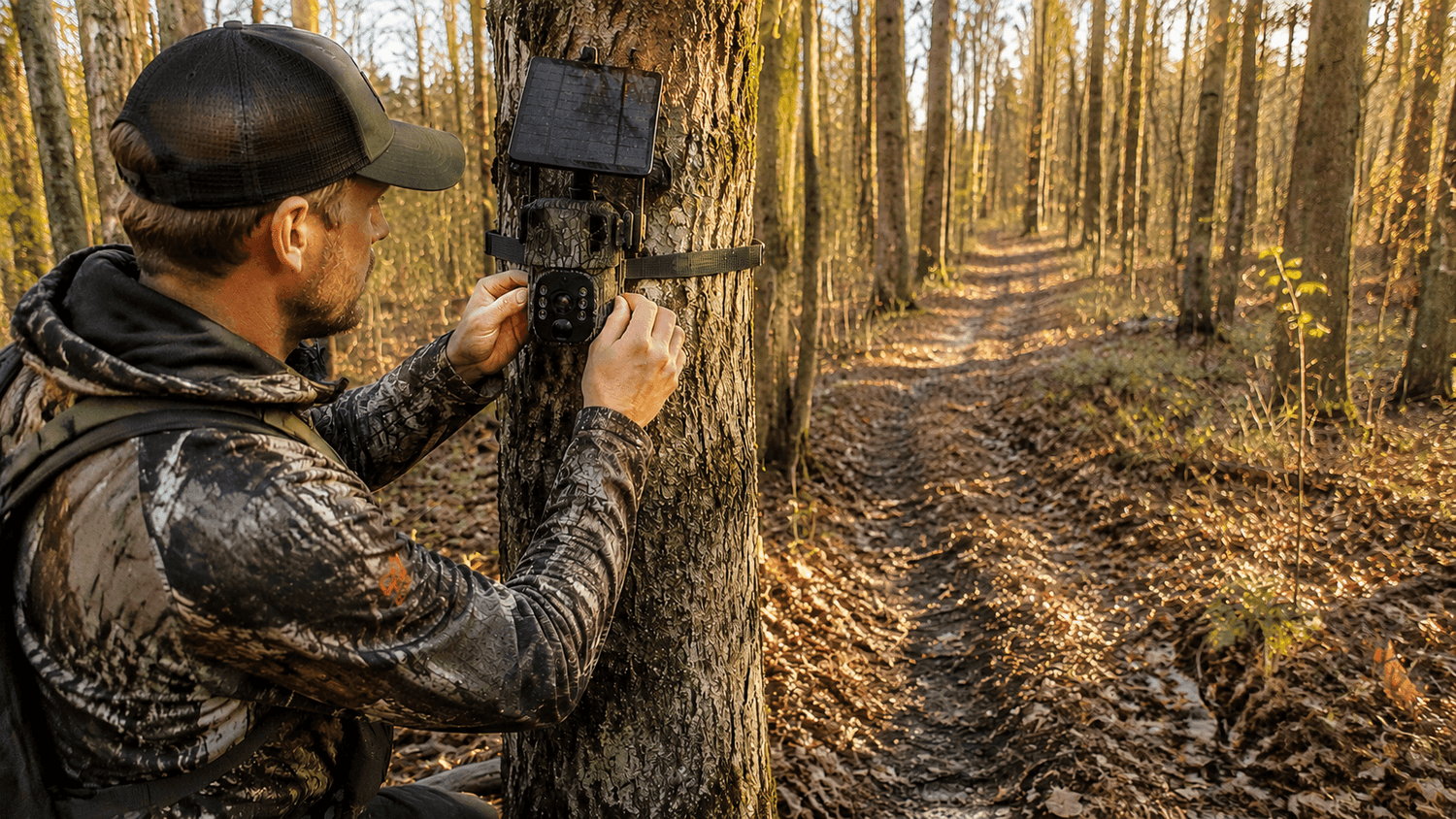
Der Erfolg der Hirschjagd hängt oft von einer Sache ab: Informationen.
Je mehr Sie über die Bewegungsmuster von Hirschen, Fressgewohnheiten, Liegeplätze und Wanderkorridore wissen, desto größer sind Ihre Chancen, einen reifen Bock zu erlegen. Deshalb verlassen sich erfahrene Jäger stark auf Wildkameras.
Doch selbst die beste Wildkamera liefert keine nützlichen Ergebnisse, wenn sie am falschen Ort platziert wird.
Die richtige Platzierung der Wildkamera kann die Qualität Ihrer Scouting-Daten drastisch verbessern und Ihnen helfen, Hirschmuster zu erkennen, die Bestandsgröße zu schätzen und die besten Jagdstandorte zu finden.
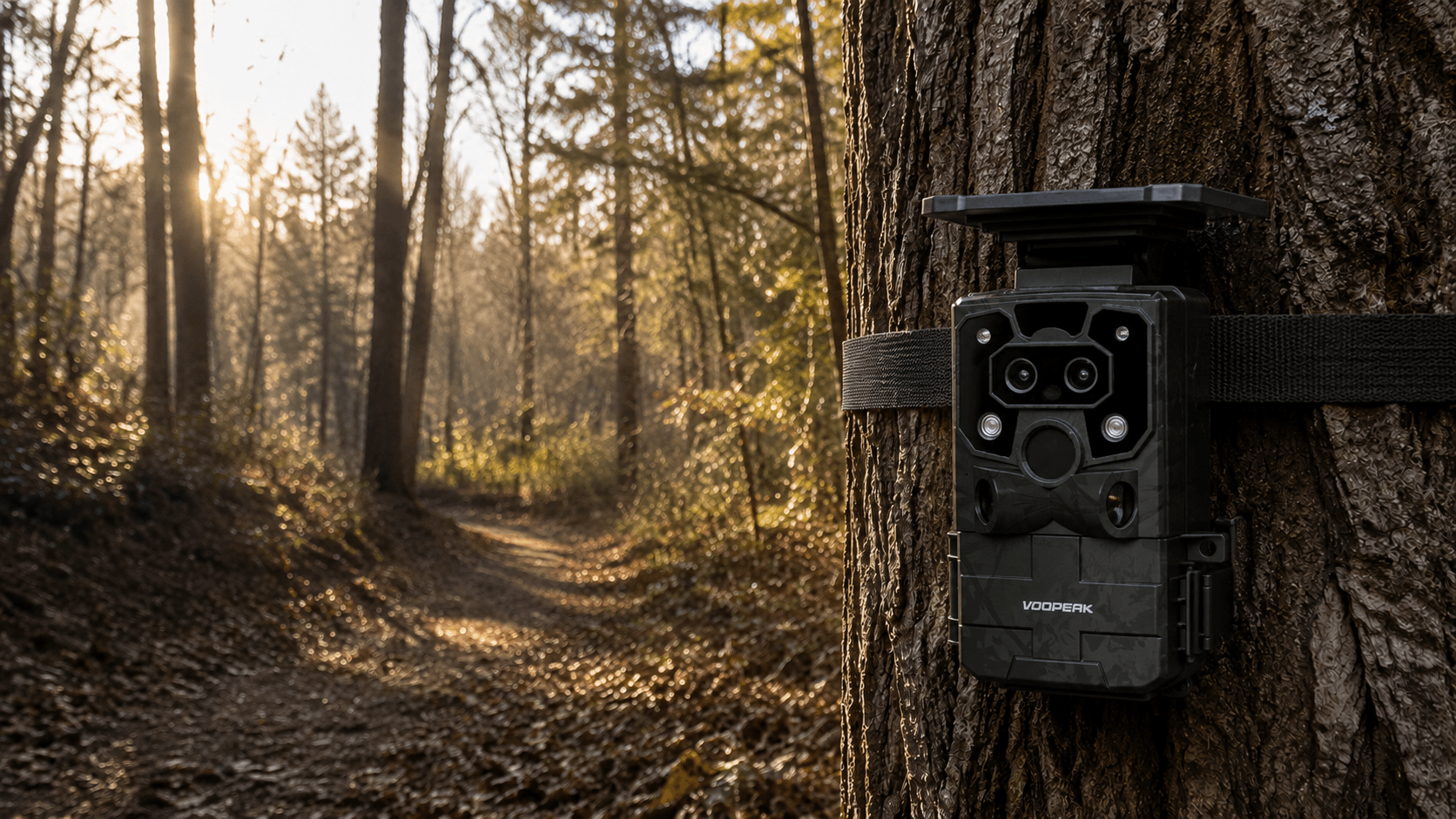
In diesem Leitfaden behandeln wir die besten Tipps zur Platzierung von Wildkameras für den Jagderfolg und erklären, wie fortschrittliche Voopeak Wildkameras Jägern helfen können, während der gesamten Saison genauere Informationen zu sammeln.
Warum die Platzierung der Wildkamera wichtig ist
Viele Jäger konzentrieren sich auf den Kauf von hochauflösenden Kameras mit fortschrittlichen Funktionen wie:
- Mobilfunk-Wildkameras
- Solar-Wildkameras
- Nachtsicht-Wildkameras
- KI-gesteuerte Wildkameras
- 4K-Wildkameras
Obwohl diese Funktionen wertvoll sind, bleibt die Platzierung der wichtigste Faktor.
Eine schlechte Kameraplatzierung kann zu Folgendem führen:
- Verpasste Hirschaktivität
- Tausende von leeren Fotos
- Fehlauslösungen
- Unscharfe Nachtbilder
- Falsche Hirschbewegungsmuster
Strategische Platzierung hilft Ihnen dabei:
✓ Reife Böcke zu identifizieren
✓ Wanderrouten zu überwachen
✓ Saisonale Bewegungen zu verfolgen
✓ Menschliche Störungen zu reduzieren
✓ Jagdmöglichkeiten zu erhöhen
1. Kameras entlang von Hirschpfaden platzieren
Einer der produktivsten Standorte ist ein gut etablierter Hirschpfad.
Hirsche sind Gewohnheitstiere und nutzen oft dieselben Reisewege immer wieder.
Achten Sie auf:
- Hufabdrücke
- Zertretene Vegetation
- Schlammige Überquerungen
- Schmale bewaldete Korridore
- Zaunüberquerungen
Diese Routen verbinden oft Liegeplätze und Futterstellen.
Profi-Tipp
Positionieren Sie die Kamera in einem 45-Grad-Winkel zum Pfad, anstatt sie direkt darauf auszurichten.
Dies gibt der Kamera mehr Zeit, Bewegungen zu erkennen und mehrere Bilder aufzunehmen, bevor der Hirsch aus dem Bildbereich tritt.

2. Futterplätze überwachen
Futterquellen locken das ganze Jahr über Hirsche an.
Übliche Futterstellen sind:
- Landwirtschaftliche Felder
- Futterparzellen
- Ebenen mit Eichen
- Gebiete mit Eichelproduktion
- Sojabohnenfelder
- Maisfelder
Platzieren Sie Ihre Wildkamera am Rand der Futterzonen, anstatt direkt in der Mitte.
Dies hilft, Störungen zu reduzieren, während gleichzeitig Hirsche beim Betreten und Verlassen des Bereichs erfasst werden.
Beste Zeiten zur Überwachung von Futterquellen:
- Frühsaison
- Vor der Brunft
- Spätsaison

3. Hirsch-Liegeplätze sorgfältig beobachten
Liegeplätze sind die Orte, an denen reife Böcke einen Großteil ihrer Tagesstunden verbringen.
Anzeichen dafür sind:
- Niedergewalzte Vegetation
- Dichtes Unterholz
- Erhöhtes Gelände
- Dichtes Gestrüpp
Vermeiden Sie es, diese Bereiche häufig zu betreten.
Platzieren Sie stattdessen Kameras am Rand.
Dies minimiert den Druck und erfasst dennoch Bewegungsmuster.
Jäger, die Liegeplätze zu stark erkunden, vertreiben reife Hirsche oft auf benachbarte Grundstücke.
4. Verwenden Sie Mock Scrapes während der Brunft
Eine der besten Wildkamerastrategien während der Brunftzeit ist die Erstellung eines Scheuerbaums (Mock Scrape).
Ein Scheuerbaum zieht neugierige Böcke an und fördert wiederholte Besuche.
Vorteile sind:
- Fotos von Bockaktivität bei Tageslicht
- Bessere Inventur reifer Böcke
- Konstanter Kameraverkehr
Platzieren Sie die Kamera 10–15 Fuß vom Scheuerbaum entfernt.
Verwenden Sie nach Möglichkeit den Videomodus.

5. Die richtige Kamerahöhe einstellen
Einer der am meisten übersehenen Faktoren ist die Kamerahöhe.
Allgemeine Empfehlungen:
| Situation | Höhe |
|---|---|
| Hirschpfade | 0,9–1,2 Meter |
| Futterfelder | 1,2–1,5 Meter |
| Sicherheitsüberwachung | 1,8–2,4 Meter |
| Gebiete mit reifen Böcken | 1,5–2,1 Meter |
Höhere Platzierung kann:
- Diebstahl reduzieren
- Hirscherkennung minimieren
- Sichtfeld verbessern
Für reife Böcke richten viele Jäger die Kameras von einer erhöhten Position leicht nach unten.
6. Vermeiden Sie die Ausrichtung nach Osten oder Westen
Direkte Sonneneinstrahlung kann verursachen:
- Überbelichtete Fotos
- Fehlauslösungen
- Ausgeblichene Bilder
Die ideale Richtung ist:
Nord- oder Südausrichtung
Dies reduziert die Blendung durch Sonnenauf- und -untergang.
Sie werden erreichen:
- Bessere Tagesfotos
- Gleichmäßigere Bildqualität
- Verbesserte Erkennungsgenauigkeit

7. Verwenden Sie Mobilfunk-Wildkameras für Scouting mit geringem Druck
Häufige Besuche zum Überprüfen von SD-Karten können Hirsche auf menschliche Aktivität aufmerksam machen.
Mobilfunk-Wildkameras lösen dieses Problem.
Vorteile sind:
- Echtzeit-Bildübertragung
- Weniger menschliche Störung
- Fernüberwachung
- Schnellere Mustererkennung
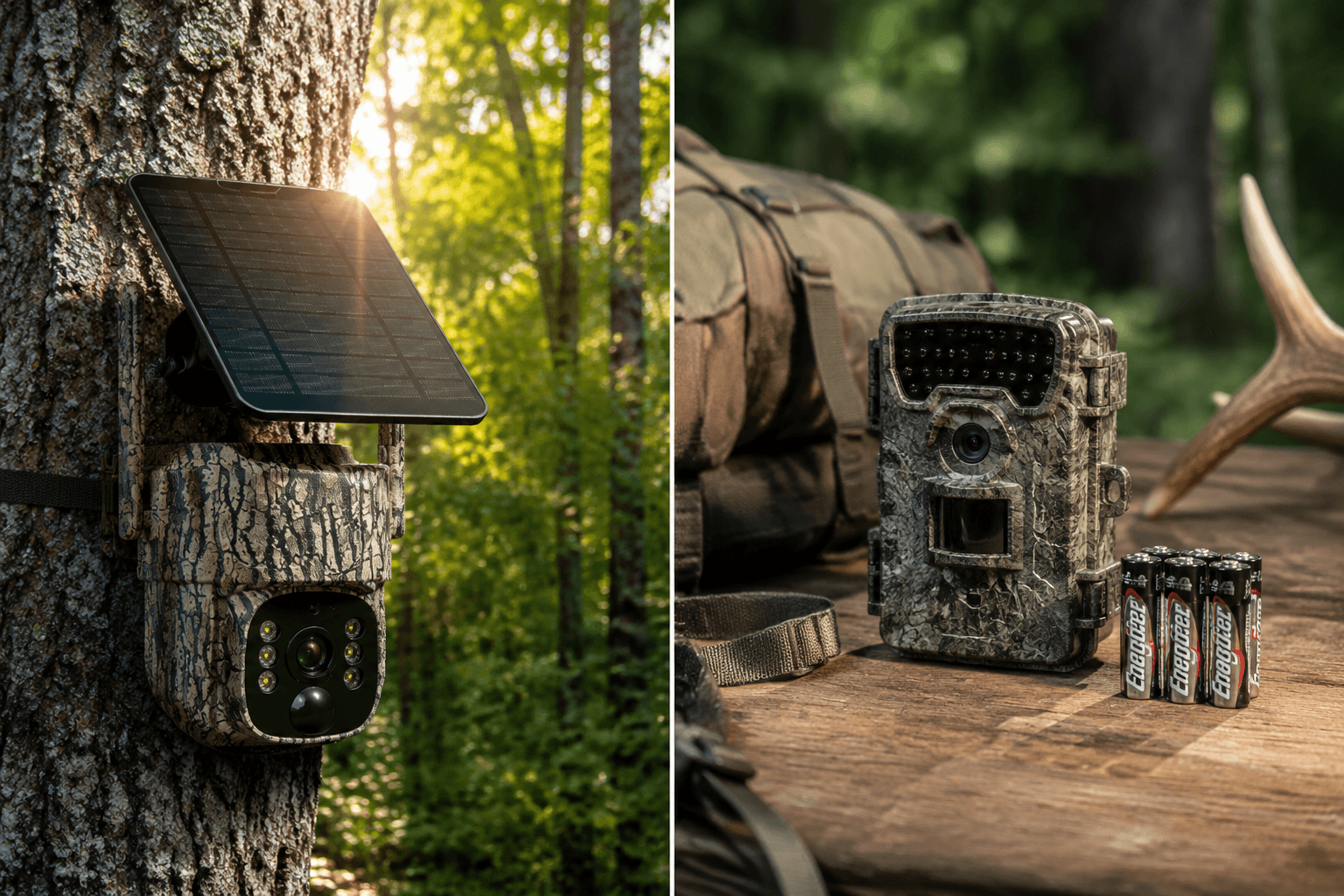
Die Voopeak TC27 4G Solar Trail Camera ist besonders nützlich für abgelegene Jagdgebiete, da sie Folgendes kombiniert:
- 4G-Mobilfunkverbindung
- Solaraufladung
- Live-Ansicht-Funktion
- 360°-PTZ-Rotation
- Sofortige Bildübertragung
Dies ermöglicht Jägern, die Hirschaktivität zu überwachen, ohne das Grundstück physisch betreten zu müssen.
8. Mehrere Kameras einsetzen
Eine einzelne Kamera liefert nur begrenzte Informationen.
Viele erfolgreiche Jäger verwenden:
- Wildkameras an Wanderkorridoren
- Kameras an Futterquellen
- Kameras in der Nähe von Liegeplätzen
- Kameras an Scheuerleisten
Mehrere Kameras helfen, ein vollständiges Bild der Hirschbewegung zu erstellen.
Für größere Grundstücke bildet die Kombination von Voopeak TC22 WiFi Trail Cameras und TC27 Cellular Trail Cameras ein effektives Scouting-Netzwerk.

Beste Jahreszeiten für die Platzierung von Wildkameras
Frühling
- Überlebende Hirsche inventarisieren
- Liegeplätze lokalisieren
Sommer
- Junggesellengruppen mustern
- Futterquellen überwachen
Herbst
- Brunftaktivität verfolgen
- Scheuerleisten identifizieren
Winter
- Spätwinterliche Fressgewohnheiten beobachten
- Winterwanderwege lokalisieren
Wenn Kameras das ganze Jahr über aktiv bleiben, liefern sie wertvolle langfristige Scouting-Daten.
Warum Jäger Voopeak Wildkameras wählen
Voopeak Wildkameras wurden speziell für ernsthafte Jäger entwickelt, die zuverlässige Scouting-Informationen benötigen.
Beliebte Funktionen umfassen:
- 4K Ultra HD-Video
- Bis zu 60 MP Bildqualität
- Schwarzlicht-Nachtsicht
- Mobilfunkverbindung
- Solarbetrieb
- Live-Streaming-Funktionen
- Schnelle Auslösezeiten
- Großer Erfassungsbereich
Egal, ob Sie öffentliches Land auskundschaften oder ein privates Jagdgebiet verwalten, Voopeak Wildkameras helfen Ihnen, die Informationen zu sammeln, die Sie für eine intelligentere Jagd benötigen.
Häufig gestellte Fragen
Wo ist der beste Platz für eine Wildkamera für Rehe?
Die besten Standorte sind Rehwechsel, Nahrungsquellen, Fegestellen, Wanderkorridore und die Ränder von Einständen. Positionieren Sie die Kameras dort, wo sich Rehe natürlicherweise aufhalten, und nicht an zufälligen Orten.
Wie hoch sollte eine Wildkamera angebracht werden?
Die meisten Anwendungen bei der Rehwildjagd funktionieren am besten in einer Höhe von 90 bis 150 cm. In Gebieten mit hohem Druck kann das Anbringen von Kameras in einer Höhe von 180 bis 240 cm die Erkennung von Rehen und Diebstahl reduzieren.
Sollte eine Wildkamera nach Norden oder Süden ausgerichtet sein?
Ja. Die Ausrichtung nach Norden oder Süden minimiert die direkte Sonneneinstrahlung und hilft, den ganzen Tag über klarere Fotos zu machen.
Wie viele Wildkameras benötige ich für die Rehwildjagd?
Für kleine Grundstücke reichen möglicherweise 2–3 Kameras aus, während größere Jagdgebiete oft von 5–10 strategisch platzierten Wildkameras profitieren.
Lohnen sich Mobilfunk-Wildkameras für die Rehwildjagd?
Absolut. Mobilfunk-Wildkameras reduzieren menschliche Störungen, indem sie Fotos aus der Ferne übertragen, wodurch sie sich hervorragend zur Beobachtung von reifen Böcken eignen.
Fazit
Die beste Platzierungsstrategie für Wildkameras kombiniert eine intelligente Standortwahl, die richtige Kamerahöhe, die korrekte Ausrichtung und minimale menschliche Störungen.
Durch die Konzentration auf Rehwechsel, Futterplätze, Einstände und Hotspots der Brunftaktivität können Jäger die notwendigen Informationen sammeln, um fundierte Jagdentscheidungen zu treffen.
In Kombination mit fortschrittlichen Scout-Tools wie der Voopeak TC22 WiFi Wildkamera und der TC32 4G Solar-Wildkamera kann die richtige Platzierung Ihre Chancen, reife Rehe zu finden und zu erlegen, erheblich verbessern.
Der Schlüssel ist nicht nur der Besitz einer großartigen Wildkamera – es ist ihre Platzierung am richtigen Ort.

Hinterlasse einen Kommentar
Diese Website ist durch hCaptcha geschützt und es gelten die allgemeinen Geschäftsbedingungen und Datenschutzbestimmungen von hCaptcha.