
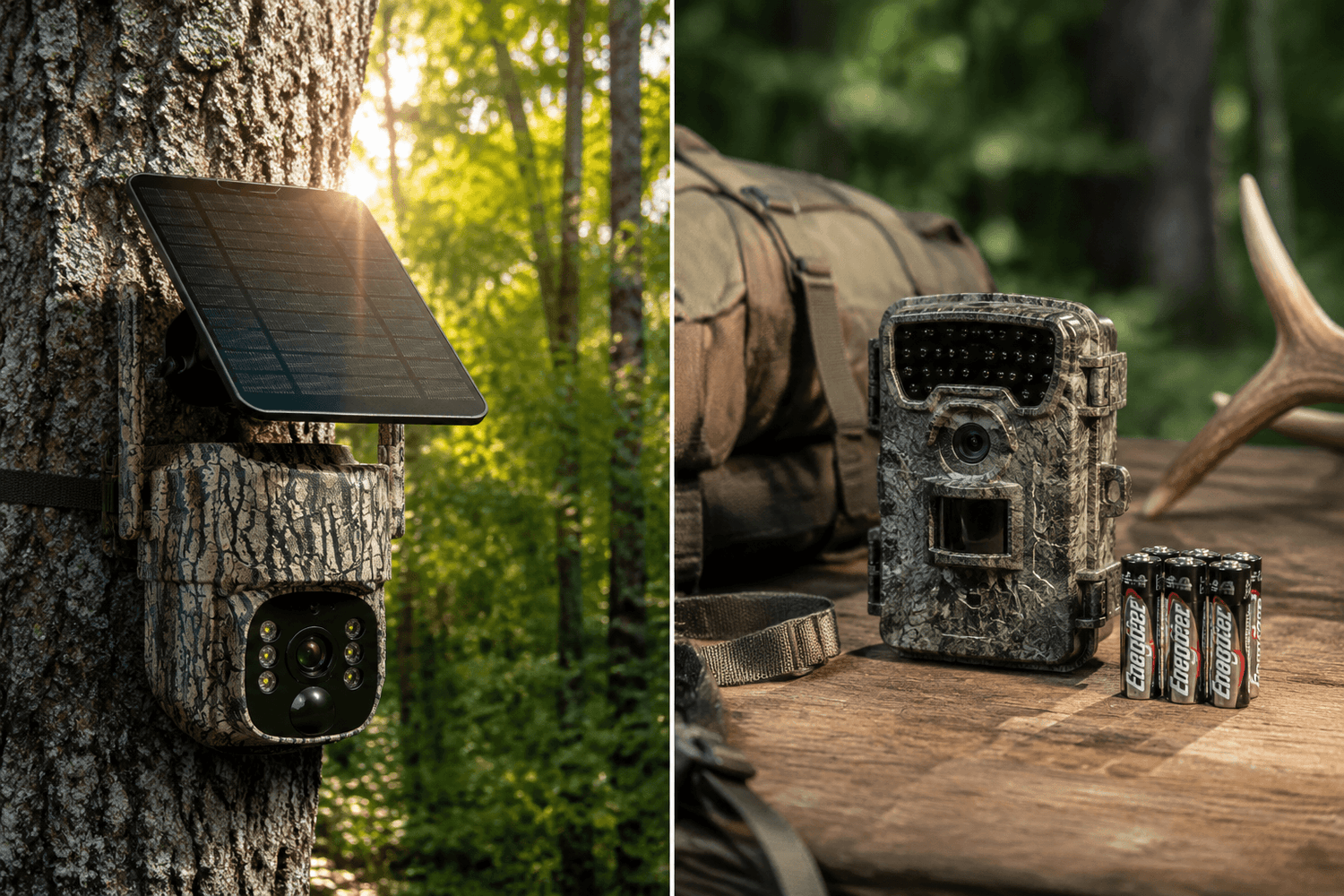
Wildkameras sind zu einem unverzichtbaren Werkzeug für Jäger, Wildtierliebhaber, Ranchbesitzer und Immobilienverwalter geworden. Egal, ob Sie Hirschbewegungen verfolgen, Wildtierlebensräume überwachen oder abgelegenes Land sichern, die Wahl der richtigen Stromquelle kann Ihre Erfahrung erheblich beeinflussen.
Eine der häufigsten Fragen, die Käufer stellen, ist:
Sollten Sie eine Solar-Wildkamera oder eine traditionelle batteriebetriebene Wildkamera wählen?
Die Antwort hängt davon ab, wie Sie Ihre Kamera verwenden möchten. Während beide Optionen ihre Stärken haben, haben jüngste Fortschritte in der Solarladetechnologie Solar-Wildkameras für die langfristige Überwachung im Freien immer beliebter gemacht.
In diesem Leitfaden vergleichen wir Solar-Wildkameras und batteriebetriebene Kameras hinsichtlich Batterielebensdauer, Wartung, Leistung, Kosten, Zuverlässigkeit und Gesamtwert, um Ihnen bei der besten Entscheidung zu helfen.
Was ist eine Solar-Wildkamera?
Eine Solar-Wildkamera kombiniert einen wiederaufladbaren Akku mit einem eingebauten oder externen Solarpanel. Tagsüber wandelt das Solarpanel kontinuierlich Sonnenlicht in Elektrizität um und hilft so, den internen Akku aufzuladen.
Anstatt häufig Einweg-AA-Batterien zu ersetzen, können Benutzer monatelang – oder sogar kontinuierlich – mit minimalem Wartungsaufwand arbeiten.
Moderne Solar-Wildkameras sind besonders beliebt für:
- Reh-Scouting
- Wildtierüberwachung
- Vorbereitung auf die Jagdsaison
- Farmüberwachung
- Sicherung entfernter Grundstücke
- Forstforschung
Da sie weniger Batteriewechsel erfordern, sind sie ideal für schwer zugängliche Standorte.

Was ist eine batteriebetriebene Wildkamera?
Batteriebetriebene Wildkameras sind vollständig auf Einweg- oder wiederaufladbare AA-Batterien angewiesen.
Immer wenn die Kamera Fotos aufnimmt, Videos aufzeichnet, Infrarot-Nachtsicht aktiviert oder Bilder überträgt (bei Mobilfunkmodellen), verbraucht sie Batteriestrom.
Sobald die Batterien leer sind, müssen Benutzer die Kamera physisch aufsuchen und sie ersetzen oder aufladen.
Batteriebetriebene Modelle bleiben beliebt, weil sie:
- Erschwinglich
- Einfach zu installieren
- Leicht
- Geeignet für die kurzfristige Überwachung
- Zuverlässig in schattigen Umgebungen

Solar-Wildkameras vs. batteriebetriebene Kameras
1. Batterielebensdauer
Die Batterielebensdauer ist einer der größten Unterschiede.
Solar-Wildkameras
Vorteile:
- Kontinuierliches Laden bei Tageslicht
- Längere Betriebszeit
- Weniger Wartungsbesuche
- Perfekt für den ganzjährigen Einsatz
Hochwertige Solar-Wildkameras können mehrere Monate lang mit sehr geringem menschlichen Eingreifen aktiv bleiben.
Batteriekameras
Die Batterielebensdauer hängt von mehreren Faktoren ab:
- Anzahl der Fotos
- Videoaufnahmelänge
- Nachtsichtnutzung
- Kalte Temperaturen
- Häufigkeit der Mobilfunkübertragung
Starke Nutzung kann Batterien viel schneller entleeren als erwartet.
Gewinner: Solar-Wildkameras
2. Wartung
Batterien zu ersetzen mag einfach klingen, wird aber umständlich, wenn Kameras tief in Wäldern oder Jagdgebieten installiert sind.
Solar-Kameras reduzieren den Wartungsaufwand erheblich, da das Panel die Batterie kontinuierlich auflädt.
Das bedeutet:
- Weniger Wandern
- Weniger Störung der Wildtiere
- Niedrigere Arbeitskosten
- Konstantere Überwachung
Batteriebetriebene Kameras erfordern während der Saison regelmäßige Batteriekontrollen.
Gewinner: Solar-Wildkameras

3. Anschaffungskosten
Batteriebetriebene Kameras haben im Allgemeinen einen niedrigeren Kaufpreis.
Solar-Wildkameras kosten etwas mehr, weil sie Folgendes beinhalten:
- Wiederaufladbarer Akku
- Solarladesystem
- Energiemanagementtechnologie
Die höhere Anfangsinvestition zahlt sich jedoch oft aus, indem im Laufe der Zeit Hunderte von Einwegbatterien eingespart werden.
Gewinner: Batteriekameras (kurzfristig)
4. Langfristige Kosten
Viele Jäger unterschätzen, wie viel sie jedes Jahr für Batterien ausgeben.
Wenn Sie mehrere Wildkameras an verschiedenen Jagdorten einsetzen, summieren sich die Batteriekosten schnell.
Solar-Kameras reduzieren wiederkehrende Ausgaben drastisch, da Sonnenlicht zu Ihrer primären Energiequelle wird.
Über mehrere Saisons hinweg sparen viele Benutzer tatsächlich Geld, indem sie auf solarbetriebene Kameras umsteigen.
Gewinner: Solar-Wildkameras
5. Zuverlässigkeit in abgelegenen Gebieten
Abgelegene Jagdgebiete machen den Batteriewechsel oft unpraktisch.
Solarbetriebene Kameras können über längere Zeiträume ohne häufige Besuche weiterarbeiten.
Dies ist besonders wertvoll für:
- Große Jagdpachten
- Nationalparks
- Wildschutzgebiete
- Ranches
- Farmen
Batteriebetriebene Kameras können die Aufnahme einstellen, wenn die Batterien unerwartet leer sind.
Gewinner: Solar-Wildkameras
6. Leistung im Winter
Kaltes Wetter beeinträchtigt alle Batterien.
Lithiumbatterien funktionieren bei eisigen Temperaturen besser als Alkalibatterien, aber Solarmodule liefern immer noch eine zusätzliche Energiequelle, wenn Sonnenlicht verfügbar ist.
Obwohl schneereiches oder bewölktes Wetter die Ladeeffizienz verringern kann, erholen sich solarbetriebene Modelle an sonnigen Tagen in der Regel schnell.
Batteriebetriebene Kameras sind im Winter vollständig auf gespeicherte Energie angewiesen.
Gewinner: Leichter Vorteil für Solar-Kameras
7. Einfache Installation
Batteriebetriebene Kameras sind unkompliziert:
- Batterien einlegen
- Kamera montieren
- Aufnahme starten
Solarkameras erfordern einen zusätzlichen Schritt:
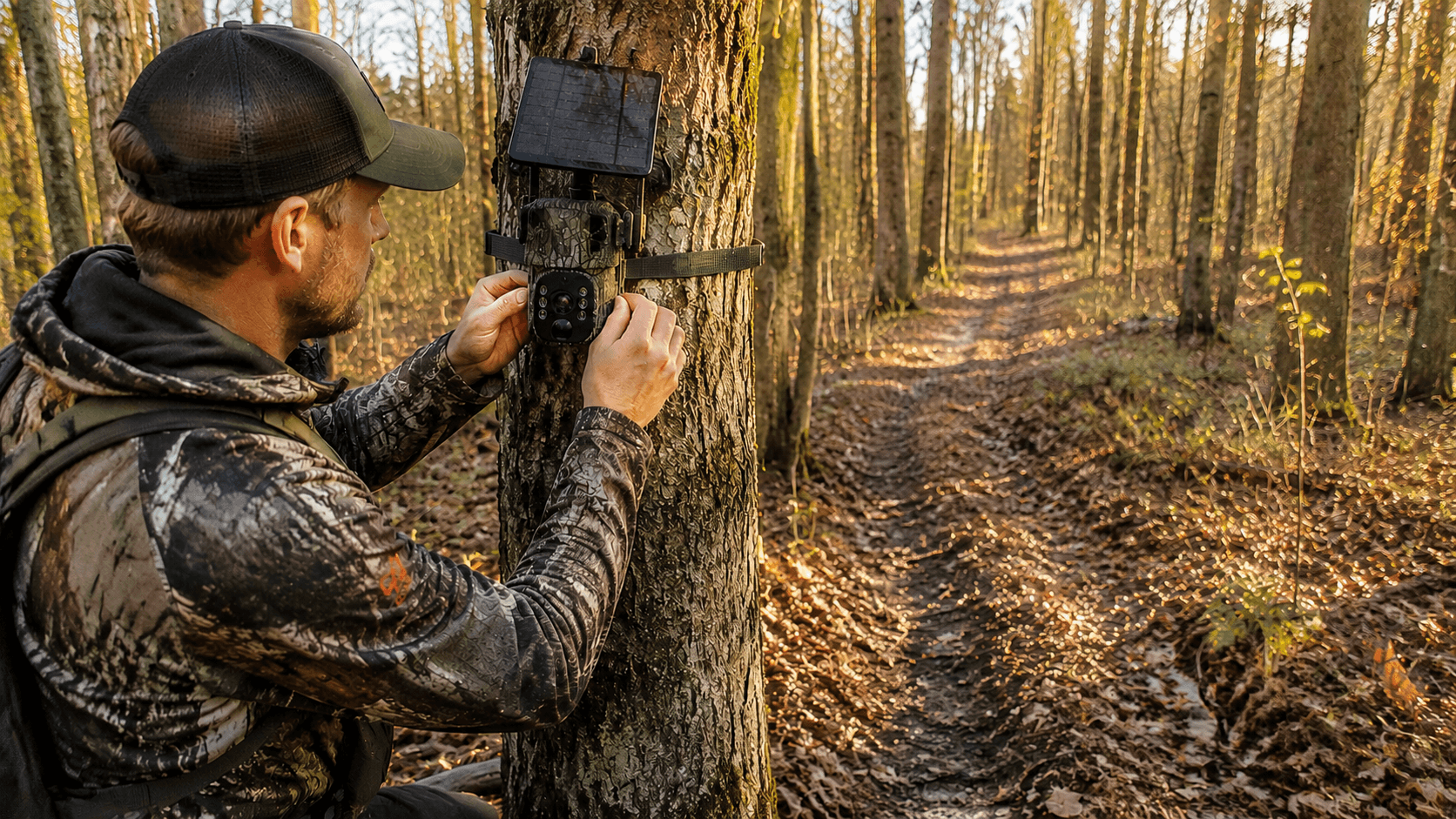
- Richten Sie das Solarpanel auf das Sonnenlicht aus
Einmal korrekt installiert, ist sehr wenig Wartung erforderlich.
Gewinner: Batteriekameras
8. Umweltauswirkungen
Einwegbatterien tragen jedes Jahr zum Elektroschrott bei.
Solar-Wildkameras tragen zur Reduzierung der Umweltauswirkungen bei durch:
- Nutzung erneuerbarer Solarenergie
- Reduzierung von Batteriemüll
- Geringerer Transport für Wartungsfahrten
Für umweltbewusste Jäger und Wildtierfotografen sind Solarkameras die umweltfreundlichere Option.
Gewinner: Solar-Wildkameras
Funktionsvergleich
| Funktion | Solar-Wildkamera | Batteriebetriebene Kamera |
|---|---|---|
| Anschaffungskosten | ⭐⭐⭐⭐ | ⭐⭐⭐⭐⭐ |
| Langfristige Kosten | ⭐⭐⭐⭐⭐ | ⭐⭐⭐ |
| Batterielebensdauer | ⭐⭐⭐⭐⭐ | ⭐⭐⭐ |
| Wartung | ⭐⭐⭐⭐⭐ | ⭐⭐⭐ |
| Fernüberwachung | ⭐⭐⭐⭐⭐ | ⭐⭐⭐ |
| Winterleistung | ⭐⭐⭐⭐ | ⭐⭐⭐ |
| Umweltfreundlich | ⭐⭐⭐⭐⭐ | ⭐⭐ |
| Installationsfreundlichkeit | ⭐⭐⭐⭐ | ⭐⭐⭐⭐⭐ |
Welche ist besser für die Jagd?
Wenn Sie ernsthaft jagen, ist die Minimierung des menschlichen Geruchs und der Störung entscheidend. Jeder unnötige Besuch, um Batterien zu überprüfen oder zu ersetzen, kann Geruchsspuren hinterlassen, die Rehe und andere Wildtiere alarmieren.
Eine Solar-Wildkamera hilft, diese Besuche zu reduzieren und ermöglicht Ihnen eine störungsärmere Wildtierüberwachung. Dies ist besonders wertvoll während der Vorbereitung auf die Jagdsaison und während der gesamten Jagdsaison.
Für Jäger, die mehrere Standorte überwachen oder große Grundstücke verwalten, bieten solarbetriebene Kameras größeren Komfort und langfristige Zuverlässigkeit.
Wenn Sie hingegen eine Kamera nur für wenige Wochen in einem Gebiet mit dichter Baumbedeckung und sehr begrenztem Sonnenlicht aufstellen, ist eine traditionelle batteriebetriebene Wildkamera möglicherweise immer noch eine praktische Wahl.

Warum Voopeak Solar-Wildkameras wählen?
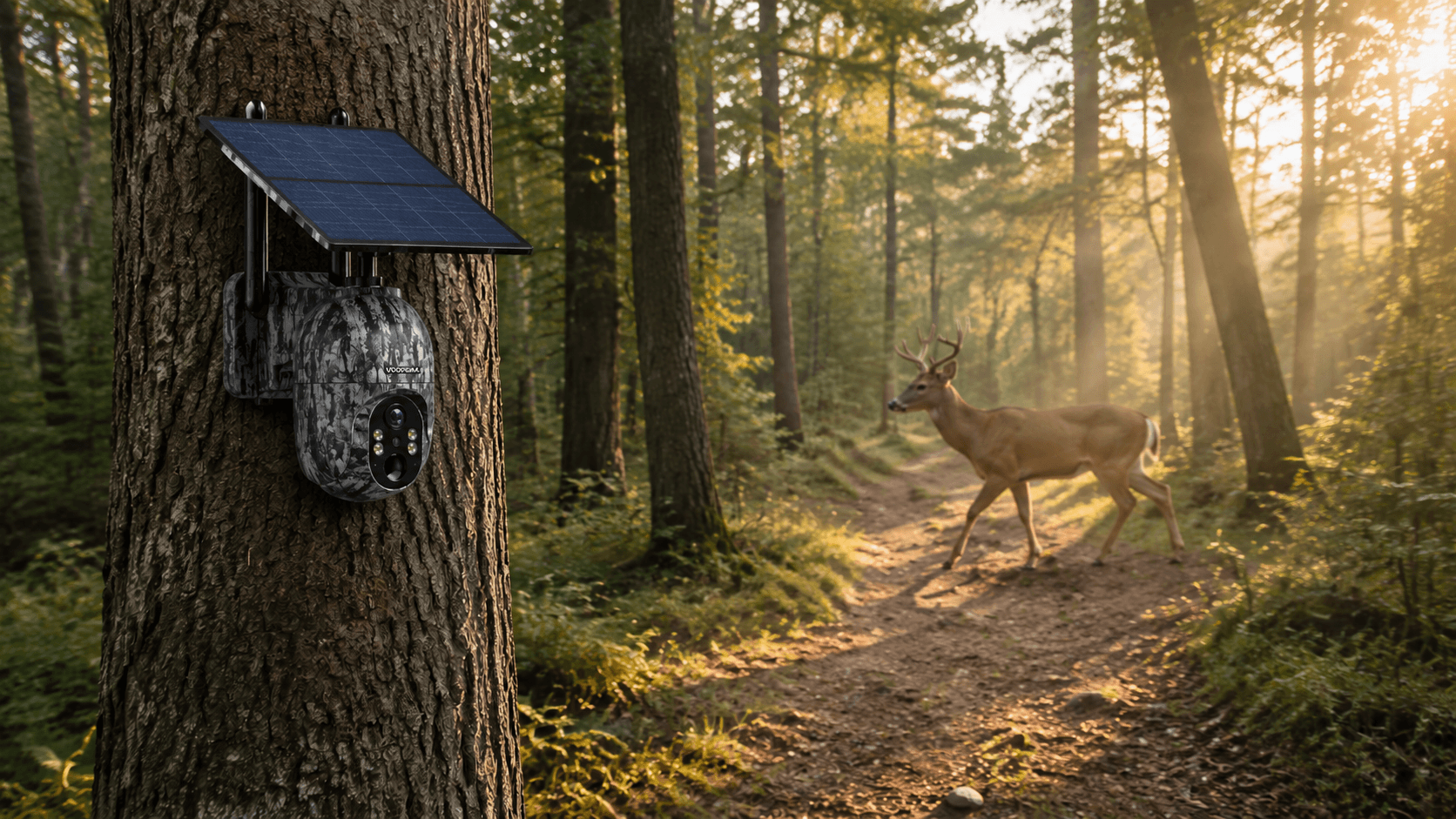
Bei Voopeak entwickeln wir Wildkameras, die fortschrittliche Bildgebungstechnologie mit zuverlässigen Energielösungen für Jäger und Outdoor-Enthusiasten kombinieren.
Unser Sortiment umfasst solar-kompatible und wiederaufladbare Modelle, die für reale Bedingungen gebaut sind und Folgendes bieten:
- Ultraklare Videoaufnahme
- Schnelle Auslösezeiten
- Infrarot-Nachtsicht ohne Leuchten
- WLAN- und 4G-Mobilfunkkonnektivität bei ausgewählten Modellen
- KI-optimierte Bildverbesserung
- Wetterbeständige Konstruktion für den ganzjährigen Außeneinsatz
Ob Sie Wildtiere überwachen, Rehe beobachten oder abgelegenes Eigentum schützen – Voopeak Wildkameras sind so konstruiert, dass sie eine konstante Leistung bei minimalem Wartungsaufwand liefern.

Häufig gestellte Fragen
Sind Solar-Wildkameras besser als batteriebetriebene Wildkameras?
Für die Langzeitüberwachung im Freien sind Solar-Wildkameras im Allgemeinen die bessere Wahl, da sie längere Betriebszeiten bieten, weniger Wartung erfordern und die Kosten für den Batteriewechsel reduzieren.
Funktionieren Solar-Wildkameras an bewölkten Tagen?
Ja. Die meisten Solar-Wildkameras speichern Energie in wiederaufladbaren Batterien, sodass sie auch bei bewölktem Wetter oder nachts weiter betrieben werden können. Obwohl die Ladeeffizienz bei starker Bewölkung abnimmt, trägt die gespeicherte Energie dazu bei, eine kontinuierliche Leistung aufrechtzuerhalten.
Können Solar-Wildkameras ohne Sonnenlicht betrieben werden?
Ja. Solar-Wildkameras verwenden wiederaufladbare Batterien, um das Gerät mit Strom zu versorgen, wenn kein Sonnenlicht vorhanden ist. Das Solarpanel lädt die Batterie einfach auf, sobald ausreichend Sonnenlicht vorhanden ist.
Fazit
Die Wahl zwischen Solar-Wildkameras und batteriebetriebenen Wildkameras hängt letztendlich davon ab, wie und wo Sie sie einsetzen möchten.
Wenn Ihre Priorität langfristiger Einsatz, geringer Wartungsaufwand und Remote-Zuverlässigkeit ist, sind Solar-Wildkameras eindeutig die bessere Investition. Sie reduzieren Batteriekosten, minimieren Vor-Ort-Besuche und bieten eine stabilere Leistung für die kontinuierliche Wildtierüberwachung oder Jagdvorbereitung.
Wenn Sie nur eine kurzfristige Einrichtung, geringere Anschaffungskosten oder eine Installation in stark beschatteten Bereichen benötigen, dann sind herkömmliche batteriebetriebene Kameras immer noch sinnvoll.
Für die meisten modernen Jäger, Ranchbesitzer und Wildtierbeobachter ist der Trend jedoch klar: Solarbetriebene Wildkameras werden zum neuen Standard.
Mit fortschrittlichen Modellen wie den Voopeak Solar-Wildkameras genießen Benutzer hochauflösende Bilder, Mobilfunkkonnektivität und nahezu wartungsfreien Betrieb in einem System.
Handlungsaufforderung
Bereit, Ihre Wildtierüberwachung aufzurüsten?
Entdecken Sie die neuesten Voopeak Solar-Wildkameras und erleben Sie:
- Längere Batterielaufzeit
- Intelligentere Fernüberwachung
- Kein häufiger Batteriewechsel
- Ultraklare Wildtierbilder
👉 Kaufen Sie noch heute Voopeak Wildkameras und verbessern Sie Ihr Jagderlebnis.

Hinterlasse einen Kommentar
Diese Website ist durch hCaptcha geschützt und es gelten die allgemeinen Geschäftsbedingungen und Datenschutzbestimmungen von hCaptcha.