
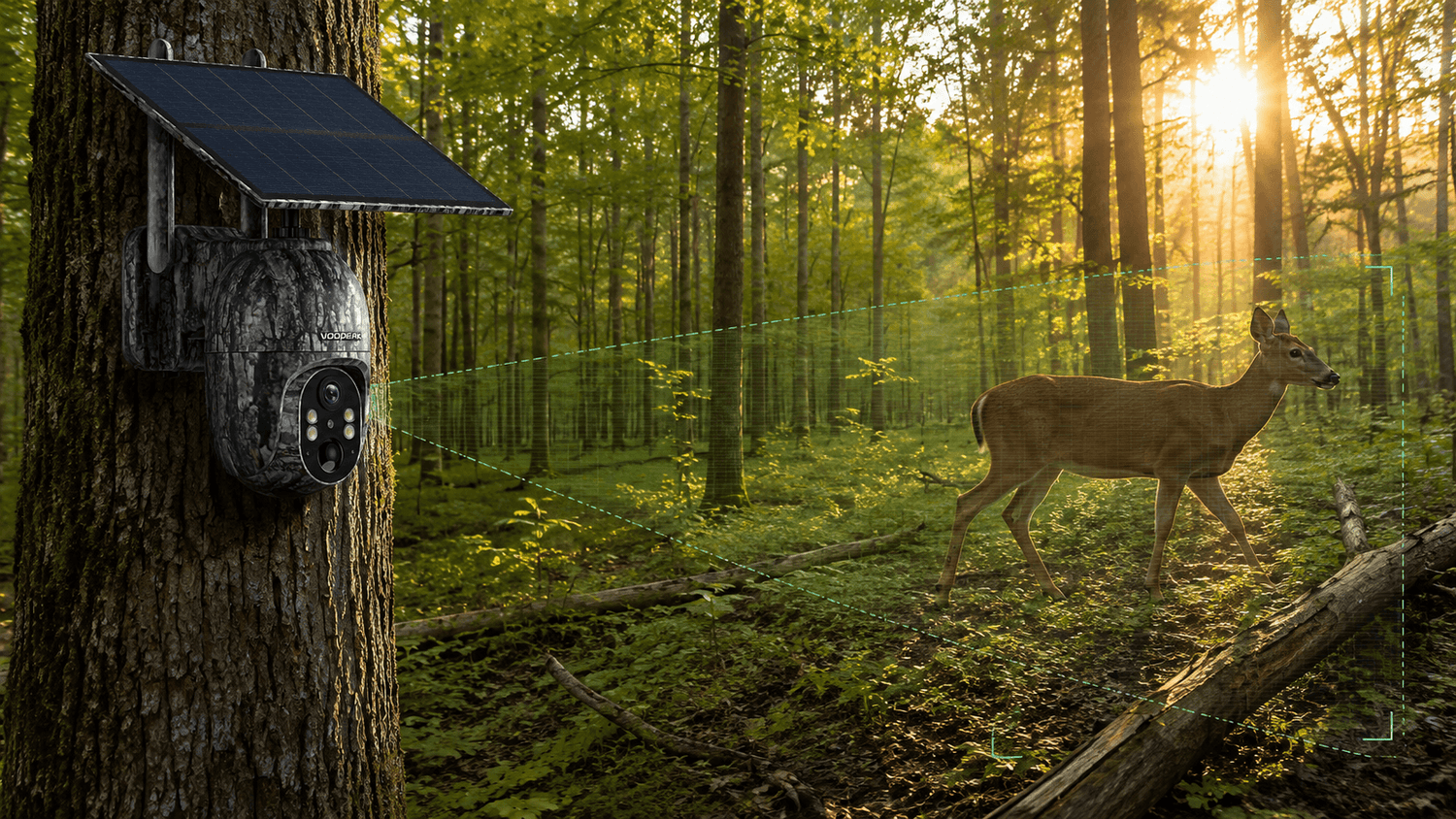
Wildtierkameras sind zu einem der wertvollsten Werkzeuge für Jäger, Wildtierliebhaber, Forscher und Landbesitzer geworden. Egal, ob Sie die Bewegung von Rehen überwachen, schwer fassbare Wildtiere beobachten oder abgelegenes Eigentum schützen, eine Wildkamera ermöglicht es Ihnen, Aktivitäten automatisch zu erfassen – ohne physisch anwesend zu sein.
Aber haben Sie sich jemals gefragt, wie Wildkameras eigentlich wissen, wann sie ein Bild aufnehmen sollen?
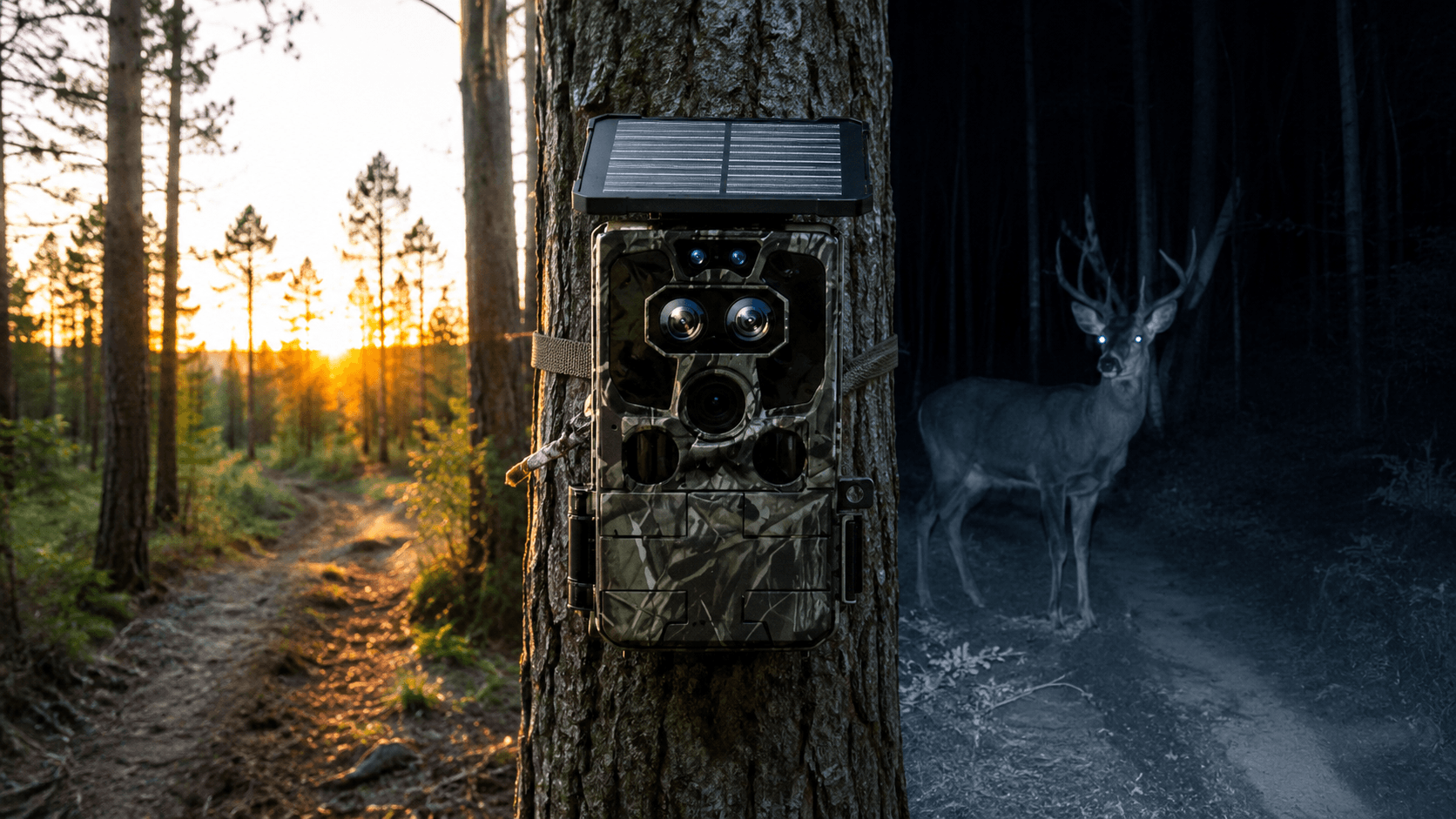
Die Antwort liegt in einer ausgeklügelten Kombination aus passiven Infrarot (PIR)-Bewegungssensoren, intelligenter Bildverarbeitung, Auslösegeschwindigkeit und optimierten Erfassungsbereichen. Moderne Modelle wie die Voopeak TC27 4G LTE Solar-Wildkamera kombinieren diese Technologien mit Echtzeit-Mobilfunkkonnektivität und machen die Wildtierüberwachung einfacher denn je.
In diesem Leitfaden erklären wir Ihnen genau, wie Wildkameras funktionieren, wie die Bewegungserkennung funktioniert und welche Faktoren ihre Leistung beeinflussen.
Was ist eine Wildkamera?
Eine Wildkamera, auch bekannt als Jagdkamera oder Wildtierkamera, ist eine Outdoor-Kamera, die für einen längeren Zeitraum autonom betrieben werden kann. Anstatt kontinuierlich aufzunehmen, verbleibt sie in einem Ultra-Low-Power-Standby-Modus, bis eine Bewegung erkannt wird.
Moderne Wildkameras werden häufig verwendet für:
- Rehbeobachtung
- Wildtierüberwachung
- Jagdvorbereitung
- Eigentumsüberwachung
- Farmüberwachung
- Forschungsprojekte
- Naturschutz im Freien
Im Gegensatz zu herkömmlichen Überwachungskameras sind Wildkameras für raues Wetter, lange Akkulaufzeiten, Tarnung und den ferngesteuerten Einsatz konzipiert.
Die Kerntechnologie: PIR-Bewegungserkennung
Das Herzstück jeder Wildkamera ist der Passive Infrarot (PIR)-Sensor.
Im Gegensatz zu einem normalen Bewegungssensor, der Bewegungen visuell erfasst, erkennt ein PIR-Sensor Änderungen der Infrarotenergie (Wärme), die von Tieren, Menschen oder Fahrzeugen ausgeht.
Wenn sich ein warmes Objekt durch den Erfassungsbereich des Sensors bewegt, wacht die Kamera sofort aus dem Standby-Modus auf und bereitet sich darauf vor, ein Bild oder Video aufzunehmen.
Dieser Vorgang geschieht in Bruchteilen einer Sekunde.
So funktionieren PIR-Sensoren
Der PIR-Sensor überwacht kontinuierlich die Umgebungstemperatur.
Wenn Folgendes auftritt:
- Bewegung
- Ein merklicher Temperaturunterschied
- Bewegung über den Erfassungsbereich hinweg
sendet der Sensor ein Signal an den Kamerarechner.
Die Kamera dann:
- Wacht sofort auf
- Fokussiert die Belichtungseinstellungen
- Nimmt das Bild auf
- Speichert es auf der SD-Karte
- (Bei Mobilfunkmodellen) lädt es über das Mobilfunknetz hoch
Dieses effiziente Design verlängert die Akkulaufzeit erheblich, da die Kamera nicht kontinuierlich aufnimmt.

Warum Bewegung den Sensor kreuzen muss
Ein häufiges Missverständnis ist, dass jede Bewegung die Kamera auslöst.
Tatsächlich funktionieren PIR-Sensoren am besten, wenn sich ein Tier quer durch das Sichtfeld der Kamera bewegt, anstatt direkt darauf zu.
Kreuzende Bewegung erzeugt eine größere Änderung der Infrarotenergie, was die Erkennung schneller und zuverlässiger macht.
Deshalb platzieren erfahrene Jäger Wildkameras oft entlang von Wildwechseln, anstatt direkt auf sie zu richten.
Erfassungsbereich vs. Kamerablickwinkel
Viele Leute verwechseln diese beiden Konzepte.
Erfassungsbereich
Dies ist die Entfernung, in der der PIR-Sensor Bewegungen erkennen kann.
Kamerablickwinkel
Dies ist der Bereich der Szene, den das Kameraobjektiv tatsächlich aufnehmen kann.
Der Erfassungsbereich ist normalerweise etwas schmaler als der Blickwinkel der Kamera, wodurch sichergestellt wird, dass die Tiere bereits im Bild sind, bevor der Auslöser aktiviert wird.
Eine korrekte Ausrichtung hilft, verpasste Aufnahmen zu vermeiden.
Auslösegeschwindigkeit: Warum jeder Sekundenbruchteil zählt
Sobald eine Bewegung erkannt wird, muss die Kamera sofort reagieren.
Diese Reaktionszeit wird als Auslösegeschwindigkeit bezeichnet.
Eine schnelle Auslösegeschwindigkeit bedeutet:
- Weniger verpasste Tiere
- Bessere Action-Fotos
- Schärfere sich bewegende Motive
- Höhere Erfolgsquoten während der Jagdsaison
Schnell bewegliches Wild wie Rehe, Kojoten, Füchse und Wildschweine können einen Pfad in Sekundenschnelle überqueren.
Eine langsame Kamera nimmt möglicherweise nur einen leeren Rahmen auf.

Warum die Erfassungsdistanz wichtig ist
Die Erfassungsdistanz bestimmt, wie früh die Kamera sich näherndes Wild bemerkt.
Ein größerer Erfassungsbereich bietet mehrere Vorteile:
- Frühere Aktivierung
- Bessere Bildkomposition
- Vollständigere Tierfotos
- Reduzierte verpasste Gelegenheiten
Eine übermäßige Entfernung ist jedoch nicht immer ideal.
Kleine Tiere erzeugen möglicherweise nicht genügend Wärme, um den Sensor bei maximaler Reichweite auszulösen, während nahe gelegene Vegetation, die von starkem Wind bewegt wird, gelegentlich zu unnötigen Aufnahmen führen kann.
Die richtige Platzierung bleibt unerlässlich.
Wie Mobilfunk-Wildkameras die Überwachung verbessern
Herkömmliche Wildkameras erfordern, dass Benutzer die SD-Karte manuell entnehmen.
Eine 4G-Mobilfunk-Wildkamera eliminiert diese Einschränkung.
Nach der Aufnahme eines Bildes kann sie Fotos direkt an Ihr Smartphone übertragen.
Die Voopeak TC27 kombiniert:
- 4G LTE Konnektivität
- Solaraufladung
- Schwenk- und Neigesteuerung
- Live-Ansicht
- Remote-Einstellungen
- Sofortige Bildübertragung
Dies ermöglicht es Benutzern, Wildtiere zu überwachen, ohne den Bereich zu stören, was besonders während der Jagdsaison oder bei langfristiger Wildtierbeobachtung nützlich ist.

Faktoren, die die Leistung der Bewegungserkennung beeinflussen
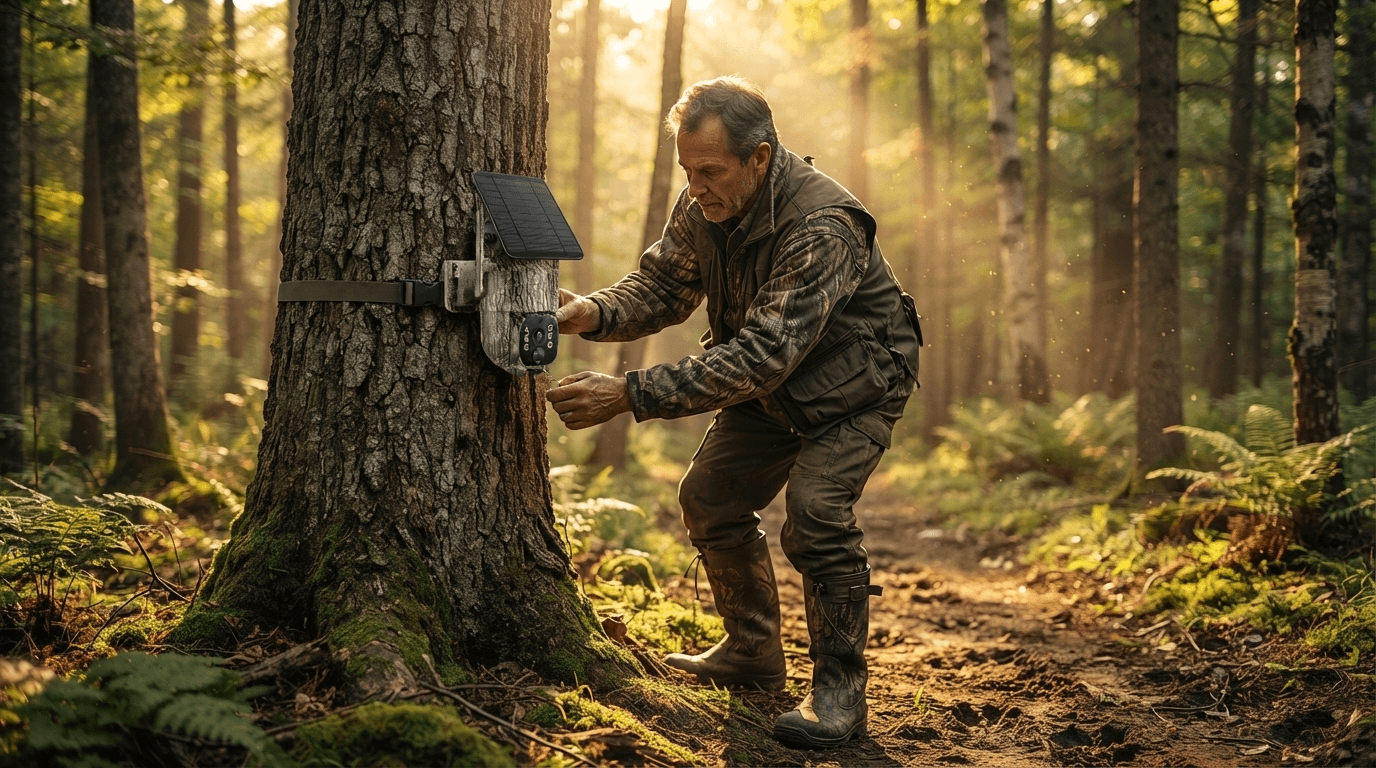
Selbst die beste Wildkamera hängt von der richtigen Installation ab.
Kamerahöhe
Typischerweise 1–1,5 Meter über dem Boden.
Sonnenlicht
Vermeiden Sie es, direkt nach Osten oder Westen zu zeigen, um Fehlalarme durch schnelle Erwärmung zu reduzieren.
Vegetation
Schneiden Sie Gras und Äste innerhalb des Erfassungsbereichs zurück.
Tiergeschwindigkeit
Langsamere Wildtiere erzeugen zuverlässigere Auslöser.
Temperatur
Kleinere Temperaturunterschiede zwischen Tieren und der Umgebung können die PIR-Empfindlichkeit bei extrem heißem Wetter leicht verringern.
Tipps für eine bessere Bewegungserkennung
Um den Aufnahmeerfolg zu maximieren:
- Befestigen Sie die Kamera sicher.
- Richten Sie sie möglichst nach Norden aus.
- Positionieren Sie sie entlang von Wanderwegen.
- Entfernen Sie bewegliche Vegetation.
- Testen Sie den Erfassungsbereich, bevor Sie gehen.
- Wählen Sie eine angemessene Empfindlichkeitsstufe.
- Aktualisieren Sie die Firmware regelmäßig, falls verfügbar.
Diese einfachen Anpassungen können die Bildqualität und die Erkennungsgenauigkeit drastisch verbessern.
Warum die Voopeak TC27 ein hervorragendes Beispiel ist
Die Voopeak TC27 zeigt, wie sich die moderne Wildkameratechnologie entwickelt hat.
Ihre Kombination aus:
- Solarbetriebenem Betrieb
- 4G LTE-Konnektivität
- Live-Fernüberwachung
- Schwenk- und Neigefunktion
- Zuverlässiger PIR-Bewegungserkennung
- Hochwertiger Bildaufnahme
macht sie ideal für Jagd, Wildtierforschung, Ranchmanagement und die Überwachung abgelegener Grundstücke.
Anstatt Ihre Kamera immer wieder besuchen zu müssen, erhalten Sie Updates, wo immer Mobilfunkempfang verfügbar ist.

FAQ
Wie erkennen Wildkameras Bewegungen?
Wildkameras verwenden passive Infrarot (PIR)-Sensoren, um Temperaturänderungen zu erkennen, die durch sich bewegende Tiere oder Personen im Erfassungsbereich verursacht werden.
Nehmen Wildkameras ständig auf?
Nein. Die meisten Wildkameras bleiben im Standby-Modus und werden nur aktiviert, wenn eine Bewegung erkannt wird, um die Batterielebensdauer zu maximieren.
Was ist der Unterschied zwischen einem PIR-Sensor und einem normalen Bewegungssensor?
Ein PIR-Sensor erkennt Infrarotwärme und nicht sichtbare Bewegung, was ihn für die Wildtierbeobachtung im Freien äußerst effizient macht.
Warum macht meine Wildkamera leere Bilder?
Häufige Ursachen sind sich bewegende Äste, Sonnenlicht, schnelle Temperaturänderungen oder kleine Tiere, die den Erfassungsbereich verlassen, bevor der Auslöser aktiviert wird.
Ist eine Mobilfunk-Wildkamera besser als eine Standard-Wildkamera?
Eine Mobilfunk-Wildkamera ermöglicht die direkte Übertragung von Bildern auf Ihr Telefon, ohne die SD-Karte entnehmen zu müssen, was sie ideal für die Fernüberwachung macht.
Verwendet die Voopeak TC27 Bewegungserkennung?
Ja. Die Voopeak TC27 verwendet ein fortschrittliches PIR-Bewegungserkennungssystem in Kombination mit 4G LTE-Konnektivität, wodurch sie Wildtiere effizient erkennen und Bilder aus der Ferne senden kann.
Fazit
Das Verständnis, wie Wildkameras funktionieren, hilft Ihnen, die richtige Ausrüstung auszuwählen und effektiver zu installieren. Von PIR-Bewegungssensoren und Auslösegeschwindigkeit bis hin zu Erfassungsbereich und Mobilfunkkonnektivität spielt jede Komponente eine Rolle bei der Aufnahme zuverlässiger Wildtierbilder.
Egal, ob Sie Rehe verfolgen, das Verhalten von Wildtieren studieren oder abgelegenes Eigentum überwachen, die Auswahl einer gut gestalteten Kamera kann Ihre Ergebnisse erheblich verbessern. Ein modernes Mobilfunkmodell wie die Voopeak TC27 kombiniert intelligente Bewegungserkennung mit Fernzugriff und macht die Überwachung im Freien bequemer und effizienter denn je.

Hinterlasse einen Kommentar
Diese Website ist durch hCaptcha geschützt und es gelten die allgemeinen Geschäftsbedingungen und Datenschutzbestimmungen von hCaptcha.