
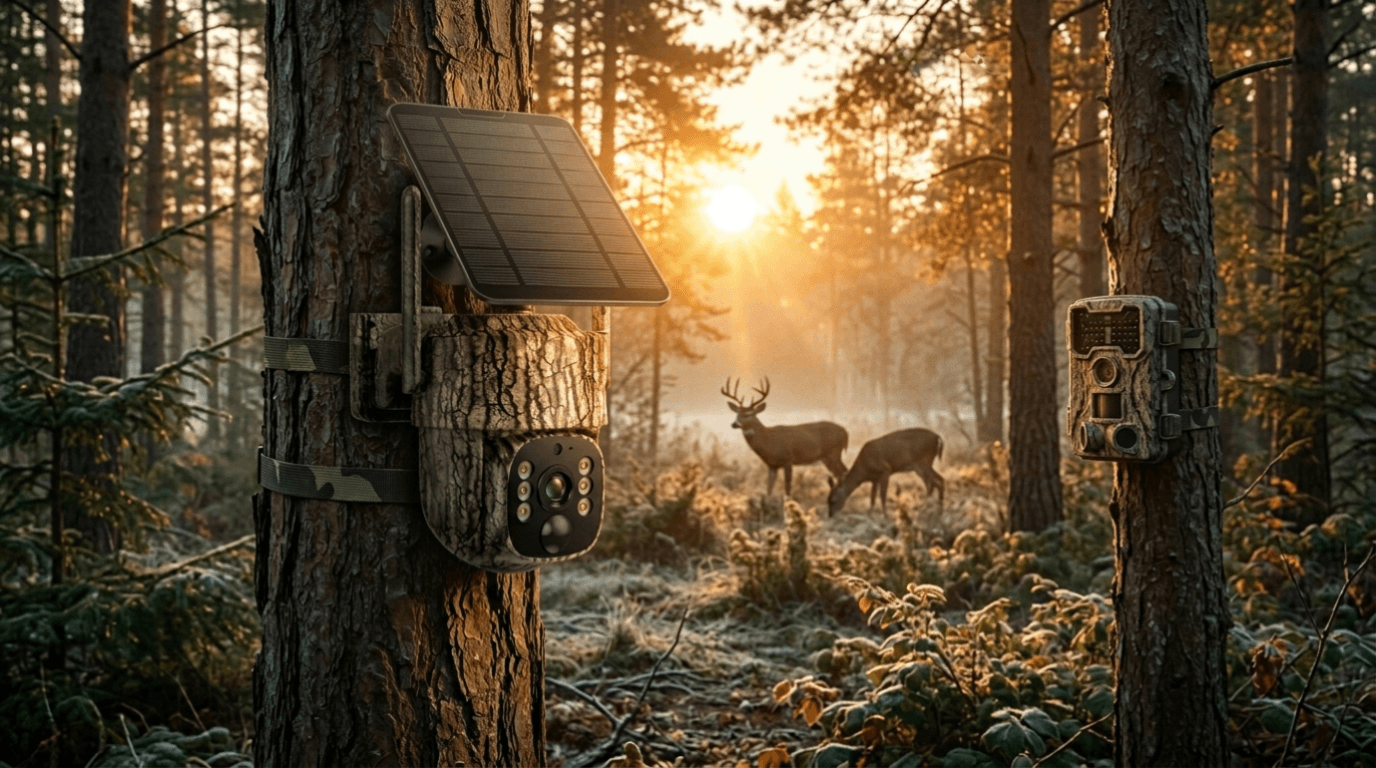
Wildtierkameras sind zu einem der wichtigsten Werkzeuge für moderne Jäger geworden. Ob Sie die Bewegung von Rehen auskundschaften, Futterplätze überwachen oder Jagdgebiete schützen – die Wahl der richtigen Stromquelle für Ihre Jagdkamera kann einen großen Unterschied in Bezug auf Zuverlässigkeit und Komfort ausmachen.
Eine der größten Fragen, die sich Jäger im Jahr 2026 stellen, ist:
Sollte man eine solarbetriebene Wildtierkamera oder eine traditionelle batteriebetriebene Wildtierkamera wählen?
Beide Optionen haben Vor- und Nachteile, abhängig von Ihrer Jagdumgebung, Ihrem Budget und der Nutzungshäufigkeit.
Wenn Sie zuverlässige Jagdkameras mit langer Batterielebensdauer, hochauflösender Bildgebung und fortschrittlicher Nachtsicht suchen, bietet Voopeak mehrere hervorragende Optionen für jedes Jagdszenario.
Was ist eine solarbetriebene Wildtierkamera?
Eine solarbetriebene Wildtierkamera verwendet ein eingebautes oder externes Solarpanel, um ihre Batterie tagsüber aufzuladen. Anstatt ständig AA-Batterien auszutauschen, können sich Jäger auf das Sonnenlicht verlassen, um die Stromversorgung über lange Zeiträume aufrechtzuerhalten.
Solarbetriebene Jagdkameras sind immer beliebter geworden, da sie den Wartungsaufwand reduzieren und die langfristige Effizienz an abgelegenen Orten verbessern.

Hauptmerkmale von solarbetriebenen Wildtierkameras
- Solar-Ladefunktion
- Unterstützung von wiederaufladbaren Lithiumbatterien
- Reduzierte Häufigkeit des Batteriewechsels
- Längere Einsatzzeit im Feld
- Umweltfreundlicher Betrieb
- Besser für abgelegene Jagdgebiete geeignet
Viele moderne Solarkameras verfügen immer noch über AA-Backup-Batterien für bewölktes Wetter oder Winterbedingungen.
Was ist eine batteriebetriebene Wildtierkamera?
Batteriebetriebene Wildtierkameras verlassen sich vollständig auf austauschbare oder wiederaufladbare Batterien, meist AA-Lithium- oder Alkali-Batterien.
Traditionelle batteriebetriebene Wildtierkameras sind nach wie vor äußerst beliebt, da sie einfach, erschwinglich und unter verschiedenen Wetterbedingungen sehr zuverlässig sind.
Hauptmerkmale von batteriebetriebenen Wildtierkameras
- Einfache Einrichtung
- Keine Abhängigkeit vom Sonnenlicht
- Konstante Stromversorgung
- Hervorragende Leistung bei kaltem Wetter
- Niedrigere Anschaffungskosten
- Flexible Platzierung überall im Wald
Viele Jäger bevorzugen immer noch batteriebetriebene Wildtierkameras, weil sie zuverlässig unter Baumkronen und in dichten Wäldern funktionieren, wo das Sonnenlicht begrenzt ist.
Solarbetriebene Wildtierkameras vs. Batteriekameras: Hauptunterschiede
1. Batterielebensdauer und Energieeffizienz
Der größte Vorteil von solarbetriebenen Wildtierkameras ist die längere Batterielebensdauer.
Eine hochwertige solarbetriebene Jagdkamera kann wochen- oder sogar monatelang aktiv bleiben, ohne manuelles Aufladen. Dies ist äußerst nützlich für Jäger, die abgelegene Gebiete überwachen.
Batteriekameras hingegen erfordern je nach Nutzungshäufigkeit, Videoaufzeichnungseinstellungen und Nachtsichtaktivität einen regelmäßigen Batteriewechsel.
2. Leistung bei kaltem Wetter
Kalte Temperaturen beeinflussen die Batterieleistung dramatisch.
Bei winterlichen Jagdbedingungen entladen sich herkömmliche Alkaline-Batterien oft schnell. Lithiumbatterien leisten mehr, verlieren aber mit der Zeit ebenfalls an Effizienz.
Solarbetriebene Wildtierkameras können bei langen bewölkten Perioden oder schneebedeckten Bedingungen, bei denen das Sonnenlicht begrenzt ist, Schwierigkeiten haben.

3. Einfache Installation
Batteriebetriebene Wildtierkameras sind in der Regel einfacher zu platzieren, da sie nicht von der Positionierung des Solarpanels abhängen.
Sie können tief in bewaldeten Gebieten, unter dichten Baumkronen oder versteckt an schattigen Orten montiert werden.
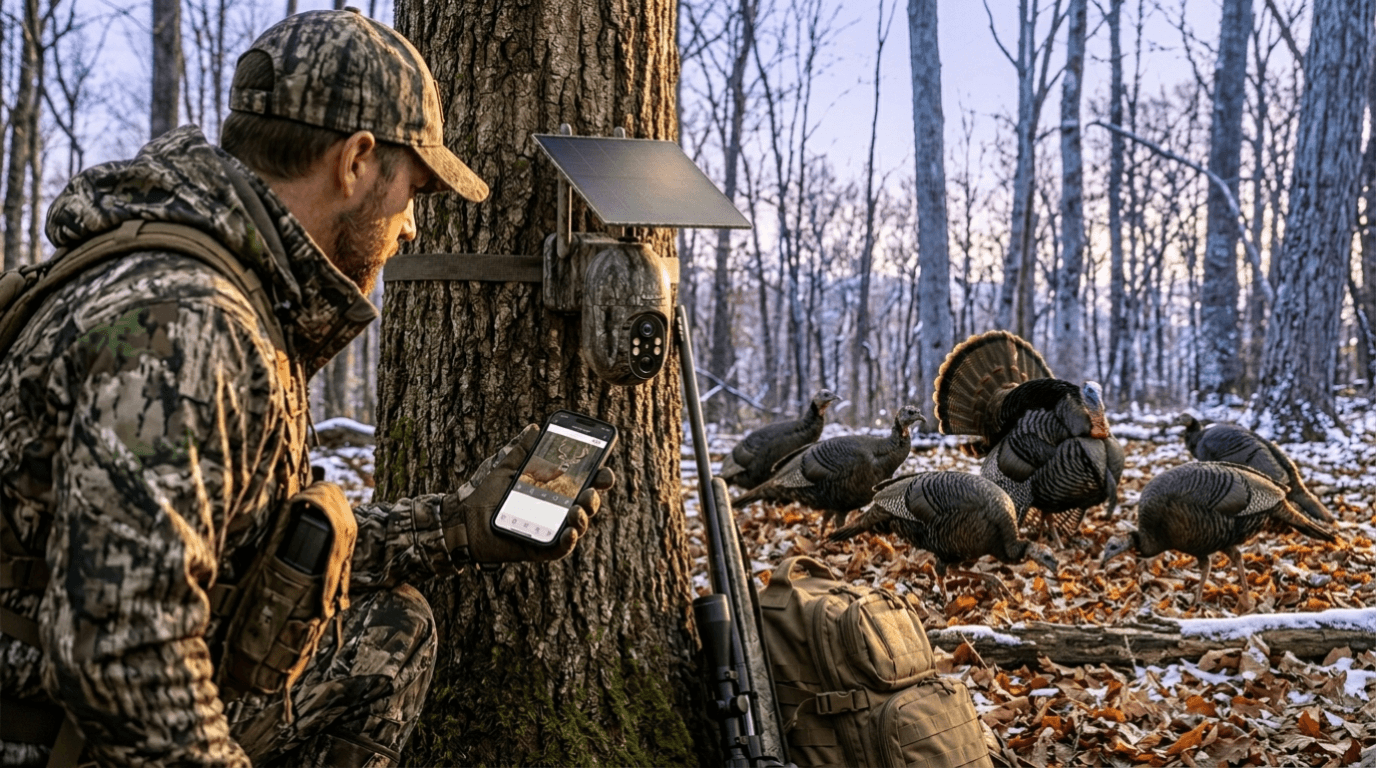
Solarbetriebene Wildtierkameras funktionieren am besten, wenn die Paneele tagsüber direktes Sonnenlicht erhalten. Eine falsche Positionierung kann die Ladeeffizienz verringern.
Wenn Diskretion und flexible Platzierung Priorität haben, sind Batteriekameras möglicherweise die bessere Option.
Warum Jäger Voopeak Wildtierkameras wählen
Voopeak Wildtierkameras sind für Jäger konzipiert, die eine zuverlässige Outdoor-Leistung in anspruchsvollen Umgebungen benötigen.
Beliebte Funktionen umfassen:
- Ultra-klare Nachtsicht
- Schnelle Bewegungserkennung
- Lange Batterielebensdauer
- Wetterfeste Konstruktion
- Einfache Einrichtung
- Hochauflösende Videoaufzeichnung

Die Voopeak TC27 und TC32 sind besonders beliebt bei Jägern, die ein effizientes Energiemanagement und eine hervorragende Nachtleistung suchen.
Fazit: Solar- oder Batteriewildtierkameras?
Es gibt keine einzige „beste“ Option für jeden Jäger.
Solarbetriebene Wildtierkameras sind ideal für:
- Langfristiger Einsatz an abgelegenen Orten
- Offene Bereiche mit Sonnenlicht
- Reduzierung des Wartungsaufwands
- Niedrigere Betriebskosten
Batteriebetriebene Wildtierkameras sind besser geeignet für:
- Dichte Wälder
- Winterjagd
- Flexible Platzierung
- Einfache Bedienung

Für Jäger, die zuverlässige Leistung, exzellente Bildqualität und fortschrittliche Outdoor-Haltbarkeit wünschen, bieten Voopeak Wildtierkameras ein hervorragendes Gleichgewicht aus Technologie, Zuverlässigkeit und Wert.


Hinterlasse einen Kommentar
Diese Website ist durch hCaptcha geschützt und es gelten die allgemeinen Geschäftsbedingungen und Datenschutzbestimmungen von hCaptcha.