
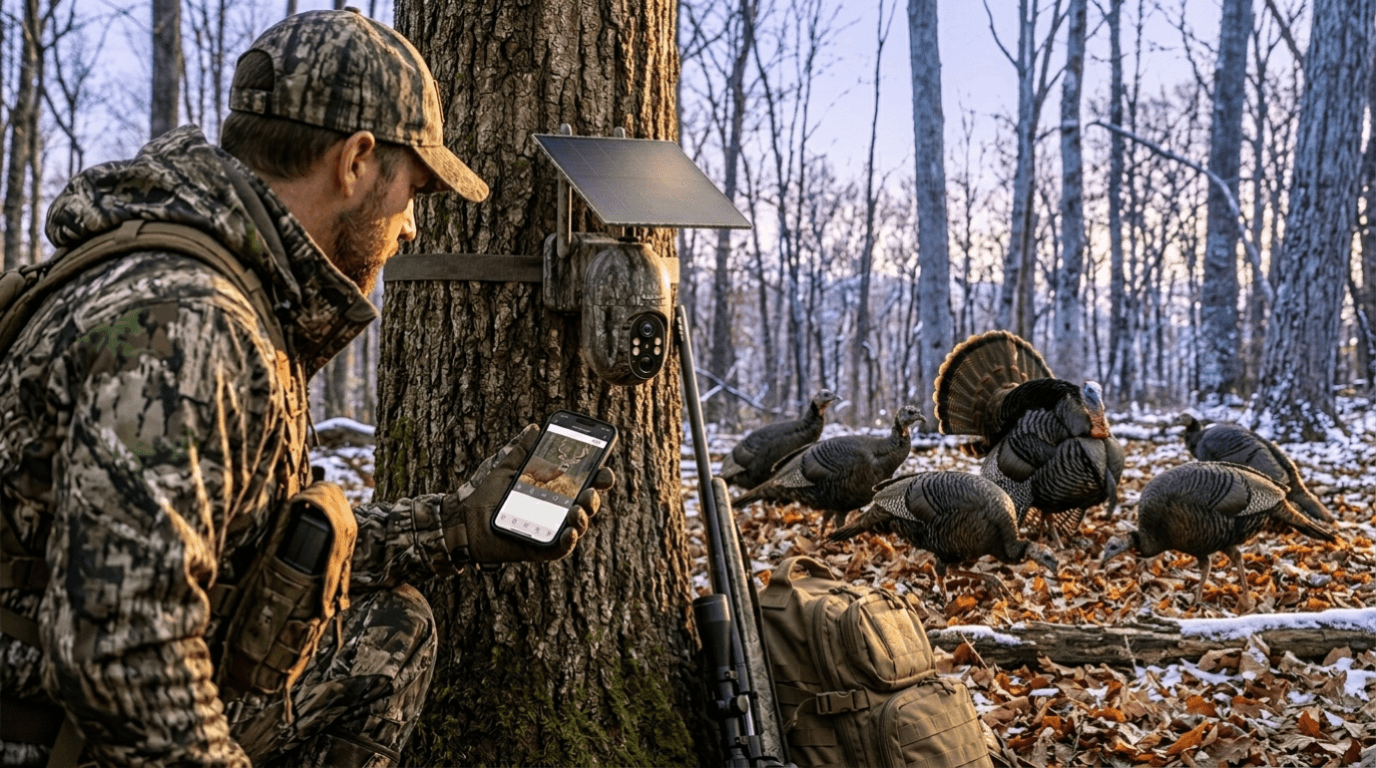
Wildtierkameras haben die Art und Weise, wie Jäger, Wildtierliebhaber und Landbesitzer die Tieraktivitäten überwachen, völlig verändert. Moderne Wildtierkameras können hochauflösende Fotos, Nachtsichtaufnahmen und das Verhalten von Wildtieren in Echtzeit aufnehmen, ohne die natürliche Umgebung zu stören.
Doch selbst die beste Wildkamera liefert möglicherweise keine nützlichen Ergebnisse, wenn sie nicht richtig eingesetzt wird.
Viele Nutzer schieben schlechte Bildqualität oder verpasste Tieraktivitäten auf die Kamera selbst, obwohl das eigentliche Problem oft eine unsachgemäße Einrichtung ist. Kleine Fehler bei der Kameraplatzierung, den Einstellungen oder der Installation können die Leistung drastisch reduzieren.
In diesem Leitfaden gehen wir auf die häufigsten Fehler bei Wildkameras ein und erklären genau, wie man sie beheben kann, um die Erkennungsgenauigkeit, die Bildqualität und den Erfolg bei der Wildtierüberwachung zu verbessern.
Warum die richtige Einrichtung der Wildtierkamera wichtig ist
Eine Wildtierkamera dient als Ihre Augen im Feld.
Bei korrekter Installation hilft sie dabei:
- Bewegungsmuster von Tieren zu verfolgen
- Reiserouten zu identifizieren
- Die Jagdvorbereitung zu verbessern
- Grundstücksaktivitäten zu überwachen
- Einzigartige Wildtiermomente festzuhalten
Eine schlechte Einrichtung führt zu:
- Fehlauslösungen
- Leeren Fotos
- Verpassten Tieren
- Batterieverbrauch
- Verschwommenen Bildern
Das Verstehen häufiger Fehler spart Zeit und verbessert die Ergebnisse.
Fehler Nr. 1: Kameras zu hoch oder zu tief anbringen
Eine falsche Kamerahöhe ist eines der größten Probleme bei Anfängern.
Eine zu hoch installierte Kamera kann kleinere Tiere komplett verpassen.
Eine zu tief installierte Kamera kann:
- Übermäßige Gräserbewegung aufnehmen
- Fehlalarme auslösen
- Leichter entdeckt werden
Die ideale Montagehöhe hängt von den Ziel-Tieren ab.
Empfohlene Höhen:
Für Rehe:
- Etwa Hüfthöhe (90–120 cm)
Für kleine Tiere:
- Etwas niedriger
Zur Überwachung der Sicherheit oder des Grundstücks:
- Etwa 1,80–2,40 Meter

Fehler Nr. 2: Kameras direkt nach Osten oder Westen ausrichten
Viele Leute übersehen die Richtung des Sonnenlichts.
Das Platzieren von Kameras in Richtung der aufgehenden oder untergehenden Sonne erzeugt:
- Überbelichtete Bilder
- Linsenreflexionen
- Schlechte Übergangsleistung bei Nacht
Stattdessen:
Kameras ausrichten nach:
- Norden
- Süden
Dies minimiert Störungen durch direktes Sonnenlicht.

Fehler Nr. 3: Wildwechsel ignorieren
Viele Benutzer befestigen Kameras wahllos an Bäumen, ohne das Verhalten der Tiere zu verstehen.
Tiere folgen normalerweise vorhersehbaren Pfaden wie:
- Pfaden
- Wasserquellen
- Futterstellen
- Zaunübertritten
- Gratlinien
- Bachrändern
Verbringen Sie stattdessen vor der Installation Zeit mit der Erkundung, anstatt zu raten.
Achten Sie auf:
- Spuren
- Kot
- Lagerplätze
- Wegkreuzungen

Fehler Nr. 4: Vegetation vor der Kamera lassen
Sich bewegendes Gras, Äste und Blätter können täglich Hunderte von Fehlauslösungen verursachen.
Dies führt zu:
- Schnellem Batterieverbrauch
- Vollen SD-Karten
- Verpassten Wildtieraktivitäten
Vor der Installation:
Entfernen Sie:
- Hohes Gras
- Kleine Äste
- Blätter
- Gestrüpp
Sorgen Sie für ein freies Sichtfeld.
Fehler Nr. 5: Falsche Bewegungsempfindlichkeitseinstellungen verwenden
Die Bewegungsempfindlichkeit beeinflusst direkt die Erkennungsgenauigkeit.
Zu empfindlich:
- Wind löst Aufnahmen aus
- Kleine Tiere aktivieren die Aufnahme
- Speicher füllt sich schnell
Zu niedrig:
- Tiere können unentdeckt bleiben
Empfohlene Einstellungen:
Hohe Empfindlichkeit:
- Überwachung über große Entfernungen
Mittlere Empfindlichkeit:
- Allgemeine Wildtierverfolgung
Niedrige Empfindlichkeit:
- Bereiche mit starker Vegetationsbewegung

Fehler Nr. 6: Batterie- und SD-Kartenverwaltung vergessen
Viele Jäger entdecken Probleme erst, nachdem sie Wochen später zurückkehren.
Häufige Probleme sind:
- Leere Batterien
- Volle Speicherkarten
- Beschädigte Dateien
Best Practices:
Mitführen:
- Zusätzliche Batterien
- Ersatz-SD-Karten
Überprüfen:
- Batteriestand
- Speicherplatz
- Firmware-Updates
Moderne Voopeak-Kameras vereinfachen die Überwachung und reduzieren Wartungsprobleme.
Zum Beispiel ermöglichen Kameras wie die Voopeak TC27 den Benutzern eine effiziente Wildtierüberwachung mit fortschrittlicher Nachtsichtleistung, zuverlässiger Bewegungserkennung und hochauflösender Bildaufnahme.
Fehler Nr. 7: Sofortige Ergebnisse erwarten
Wildtierkameras sammeln Daten über einen längeren Zeitraum.
Neue Benutzer sind oft schon nach wenigen Tagen frustriert.
Wildtiermuster variieren je nach:
- Wetter
- Nahrungsverfügbarkeit
- Jagddruck
- Saisonaler Bewegung
- Habitatveränderungen
Geduld führt oft zu besseren Scouting-Erkenntnissen.
Wie Voopeak Wildkameras helfen, diese Probleme zu reduzieren
Moderne Wildkameras verfügen über Technologien, die häufige Einrichtungsfehler reduzieren.
Voopeak Wildkameras bieten:
✓ Hochauflösende Bildaufnahme
✓ Schnelle Auslösegeschwindigkeit
✓ Infrarot-Nachtsicht
✓ Großen Erfassungsbereich
✓ Optimierung der Bewegungserkennung
✓ Einfache Einrichtung
✓ Wetterfestes Design
Ob zur Überwachung von Hirschbewegungen, zur Beobachtung von Wildtieren oder zur Erkundung von Jagdgebieten – die Verwendung der richtigen Ausrüstung in Verbindung mit einer korrekten Einrichtung verbessert die Ergebnisse dramatisch.
Abschließende Gedanken
Wildtierkameras sind leistungsstarke Werkzeuge, aber ihre Wirksamkeit hängt stark davon ab, wie sie eingesetzt werden.
Die meisten schlechten Ergebnisse sind auf einfache Einrichtungsfehler zurückzuführen und nicht auf die Qualität der Kamera selbst.
Vermeidung von Fehlern wie:
- Falsche Kamerahöhe
- Schlechte Positionierung im Sonnenlicht
- Ignorieren der Tierbewegung
- Übermäßige Vegetation
- Falsche Empfindlichkeitseinstellungen
- Probleme mit der Batterieverwaltung
kann Ihre Erfolgsquote erheblich verbessern.
Mit cleveren Einrichtungstechniken und zuverlässiger Ausrüstung von Voopeak erfassen Sie mehr Wildtieraktivitäten und erhalten bessere Einblicke ins Feld.

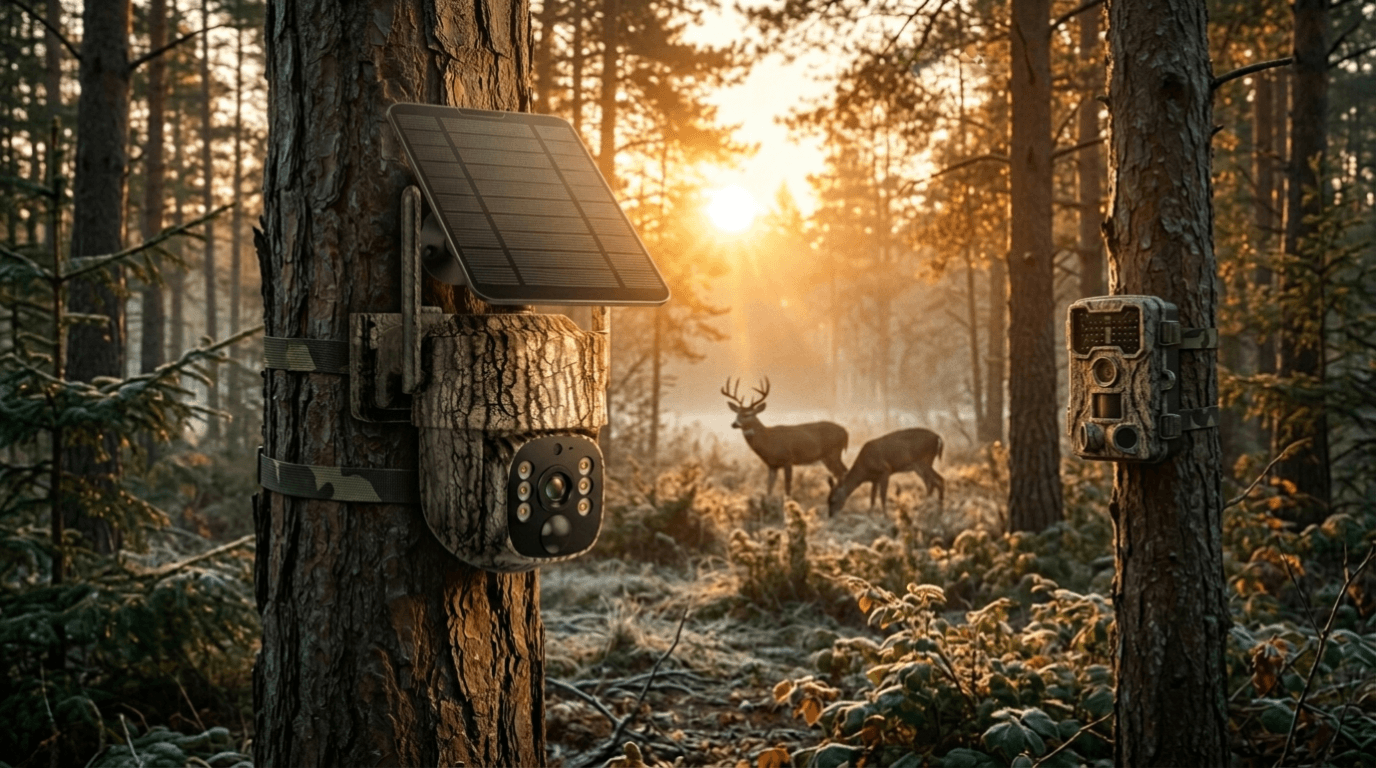

Hinterlasse einen Kommentar
Diese Website ist durch hCaptcha geschützt und es gelten die allgemeinen Geschäftsbedingungen und Datenschutzbestimmungen von hCaptcha.