
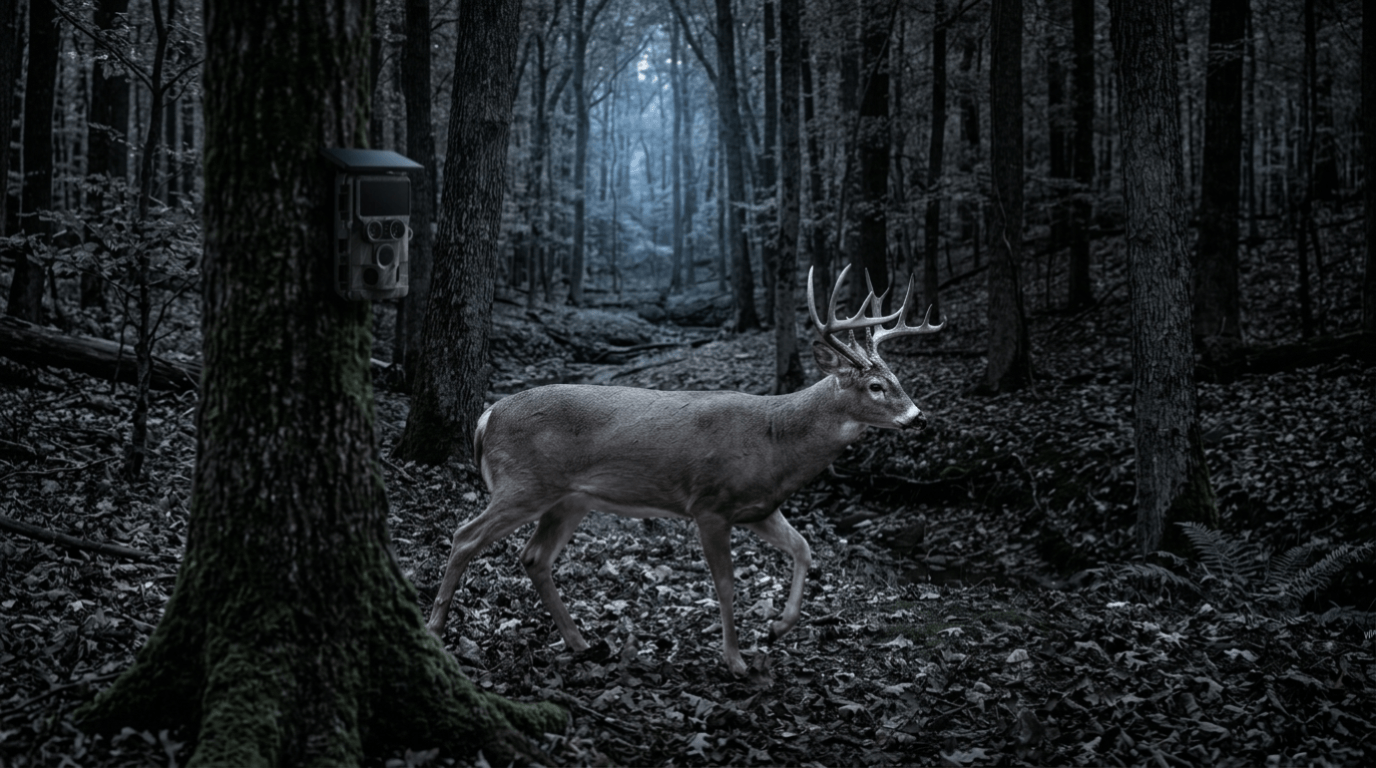
🌙 Einführung: Wildtieraktivität nach Einbruch der Dunkelheit
Nachts erwacht die Wildnis erst richtig zum Leben. Von Rehen und Füchsen bis hin zu Waschbären und Eulen – die meisten Wildtieraktivitäten finden in völliger Dunkelheit statt. Doch ohne die richtige Technologie bleiben diese Momente unsichtbar.
Hier kommen Nachtsicht-Wildkameras ins Spiel. Durch den Einsatz fortschrittlicher Infrarot (IR)-Technologie, Bewegungserkennung und Sternenlichtsensoren ermöglichen moderne Wildtierkameras wie die Voopeak TC22 4K Dual-Lens Trail Camera Jägern, Forschern und Outdoor-Enthusiasten, auch in pechschwarzer Umgebung kristallklare Aufnahmen zu machen.
In diesem Leitfaden erklären wir genau, wie Nachtsicht-Wildkameras funktionieren, was sie effektiv macht und warum Modelle wie Voopeak im Jahr 2026 branchenführend sind.
🌌 Was ist eine Nachtsicht-Wildkamera?
Eine Nachtsicht-Wildkamera ist eine bewegungsaktivierte Wildtierkamera, die für die Aufnahme von Fotos und Videos bei schwachem Licht oder in völlig dunkler Umgebung entwickelt wurde.
Im Gegensatz zu normalen Kameras sind sie nicht auf sichtbares Licht angewiesen. Stattdessen nutzen sie:
- Infrarot-LED-Beleuchtung
- Passive Infrarot (PIR)-Bewegungssensoren
- Starlight-Sensoren für schwaches Licht
- Algorithmen zur Bildsignalverbesserung
Diese Kombination ermöglicht es ihnen, in der Dunkelheit zu „sehen“, ohne die Tiere zu stören.
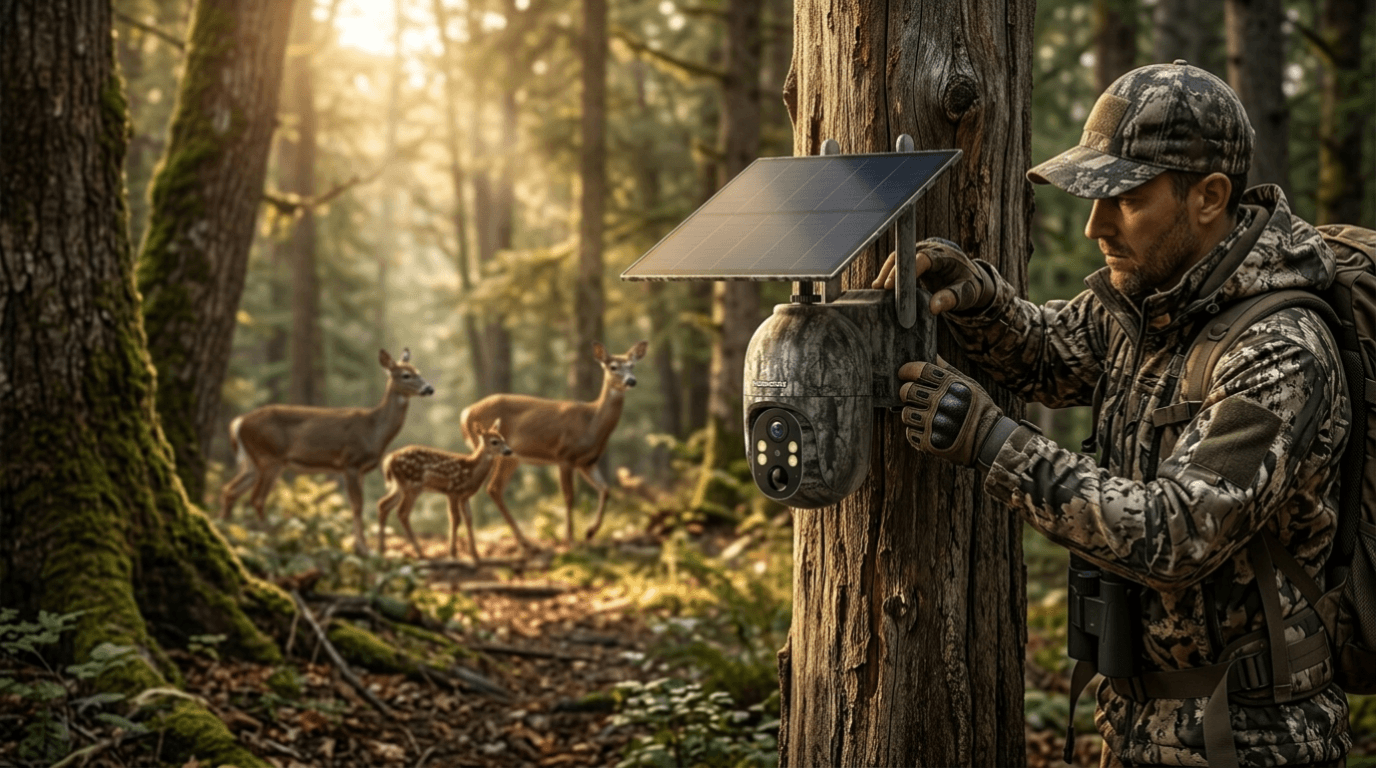
Beliebte Modelle wie die Voopeak TC22 Wildkamera verfügen auch über Dual-Lens-Systeme und Solarenergie, was sie ideal für den langfristigen Einsatz im Freien macht.
🔦 Wie Nachtsicht tatsächlich funktioniert
Nachtsicht-Wildkameras „sehen im Dunkeln“ nicht wie Menschen. Stattdessen erzeugen sie ihre eigene unsichtbare Lichtquelle.
1. Infrarot-Beleuchtung (IR-LEDs)
Wenn Bewegung erkannt wird, sendet die Kamera Infrarotlicht (850nm oder 940nm) aus. Dieses Licht ist für Menschen und die meisten Tiere unsichtbar.
👉 Es funktioniert wie eine Taschenlampe, die nur die Kamera sehen kann.
2. Reflexion von Objekten
Das Infrarotlicht wird von Objekten wie:
- Tierfell
- Bäumen und Gras
- Felsen und Gelände
Der Kamerasensor erfasst dann das reflektierte IR-Licht.
3. Bildverarbeitung
Der Sensor wandelt dieses reflektierte Signal um in:
- Schwarz-Weiß-Nachtbilder (Standard-IR-Modus)
- Oder farbverbesserte Bilder (Starlight-Modus in fortschrittlichen Kameras)
🦊 Warum Tiere nicht gestört werden
Einer der größten Vorteile von Infrarot-Wildkameras ist, dass:
✔ Kein sichtbarer Blitz
✔ Kein Ton
✔ Keine Wärmeabgabe
✔ Minimales rotes Leuchten (bei Low-Glow-Modellen)
Das bedeutet, dass sich Tiere natürlich verhalten, was eine genaue Verfolgung des Wildtierverhaltens ermöglicht.
📷 Beispiel: Voopeak TC22 Wildkamera
Die Voopeak TC22 ist eine 4K Dual-Lens Nachtsicht-Wildkamera der nächsten Generation, die sowohl für Anfänger als auch für Profis entwickelt wurde.
Zu den wichtigsten Highlights gehören:
- 🎥 4K UHD Video + 60MP Bilder
- 🌙 Starlight Farbnachtsicht
- 📡 WiFi App Steuerung
- ☀️ Solarbetriebenes System
- 🦾 Dual-Lens Auto-Umschaltung (Tag/Nacht-Modus)
Sie ist besonders leistungsstark in Umgebungen mit wenig Licht, wo herkömmliche IR-Kameras an ihre Grenzen stoßen.

🌑 Starlight-Nachtsicht vs. Infrarot-Nachtsicht
Moderne Wildkameras verwenden heute zwei Haupt-Nachttechnologien:
🌙 Infrarot (Traditionell)
- Schwarz-Weiß-Bilder
- Funktioniert bei völliger Dunkelheit
- Sehr zuverlässig
🌟 Starlight (Fortgeschritten wie Voopeak TC22)
- Erfasst Farbbilder bei schwachem Licht
- Funktioniert bei Mondlicht oder Dämmerung
- Höhere Detailgenauigkeit und Realismus
Dies macht Starlight-Kameras ideal für die Identifizierung von Tierarten und -verhalten.
🧠 Warum Nachtsicht-Wildkameras so effektiv sind
Nachtsicht-Wildkameras kombinieren mehrere Technologien:
- Bewegungserkennung (PIR-Sensor)
- Infrarot-Beleuchtung
- Weitwinkelobjektive
- KI-Bildverarbeitung
- Sensoren für schwaches Licht
Dies ermöglicht es ihnen:
✔ Sich schnell bewegende Tiere zu erfassen
✔ In völliger Dunkelheit aufzunehmen
✔ Langzeitaufnahmen von Wildtieraktivitäten zu speichern
✔ In abgelegenen Umgebungen zu arbeiten

🔋 Solarenergie + WiFi: Das Upgrade der neuen Generation
Moderne Kameras wie die Voopeak TC22 gehen über traditionelle Wildkameras hinaus:
☀️ Solarenergie
- Kontinuierlicher Betrieb im Freien
- Kein häufiger Batteriewechsel
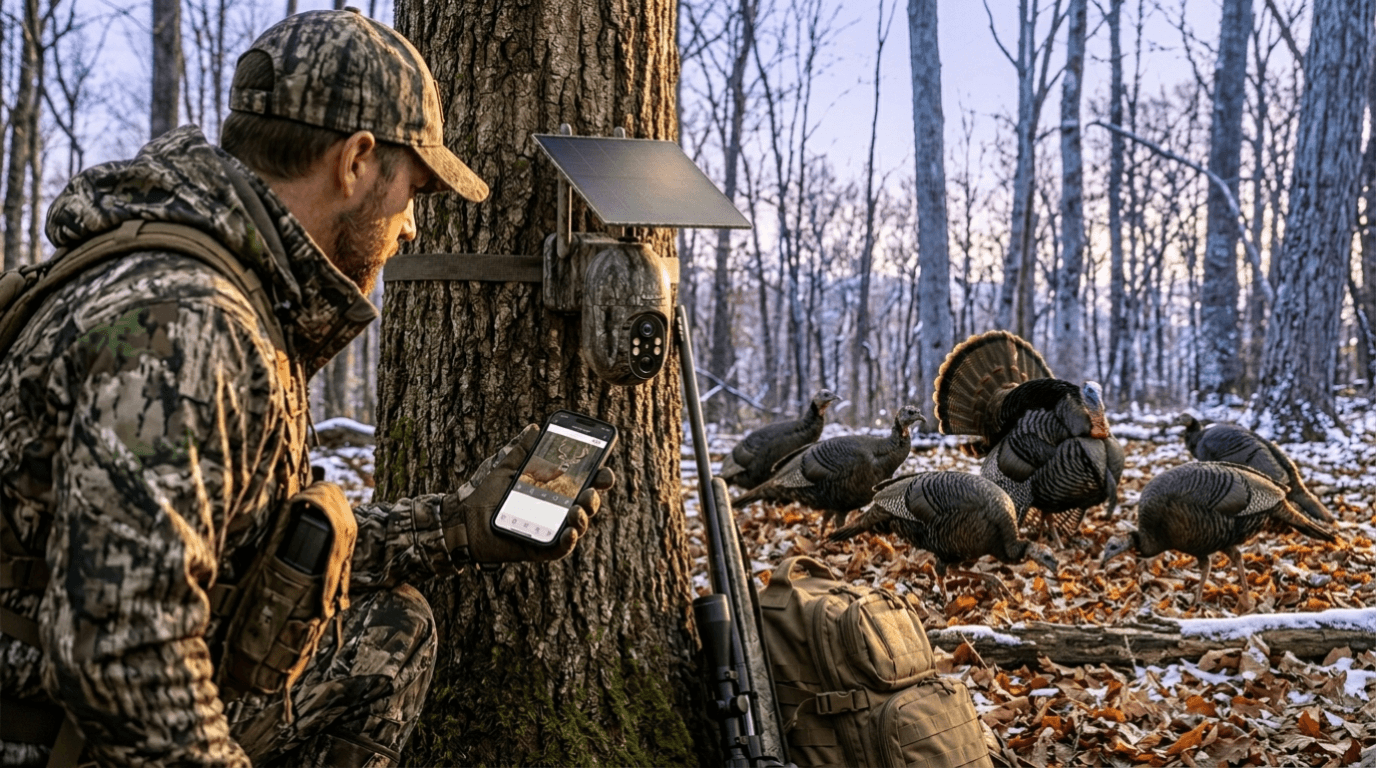
📲 WiFi App-Steuerung
- Bildanzeige in der App
- Einfache Konfiguration
- Download auf Smartphone
Diese Funktionen machen moderne Wildkameras perfekt für die langfristige Wildtierüberwachung, Farmsicherheit und Außenüberwachung.
🦉 Anwendungen in der Praxis
Nachtsicht-Wildkameras werden häufig eingesetzt in:
- Wildtierforschung
- Jagd und Spurensicherung
- Farm- und Objektsicherheit
- Vogel- und Tierbeobachtung
- Umweltstudien
Sie ermöglichen eine nicht-invasive Beobachtung und sind somit unverzichtbare Werkzeuge für Profis und Hobbyisten gleichermaßen.

🌲 Fazit
Nachtsicht-Wildkameras haben die Wildtierbeobachtung revolutioniert. Durch die Kombination von Infrarotbeleuchtung, Bewegungssensoren und fortschrittlicher Bildgebungstechnologie ermöglichen sie es, Tiere in völliger Dunkelheit aufzunehmen, ohne ihr natürliches Verhalten zu stören.
Modelle wie die Voopeak TC22 treiben diese Technologie mit 4K-Auflösung, Dual-Linsen und Starlight-Farbnachtsicht noch weiter voran, was sie zu einem der leistungsstärksten Werkzeuge für die Wildtierüberwachung im Jahr 2026 macht.

Hinterlasse einen Kommentar
Diese Website ist durch hCaptcha geschützt und es gelten die allgemeinen Geschäftsbedingungen und Datenschutzbestimmungen von hCaptcha.